EN
EN
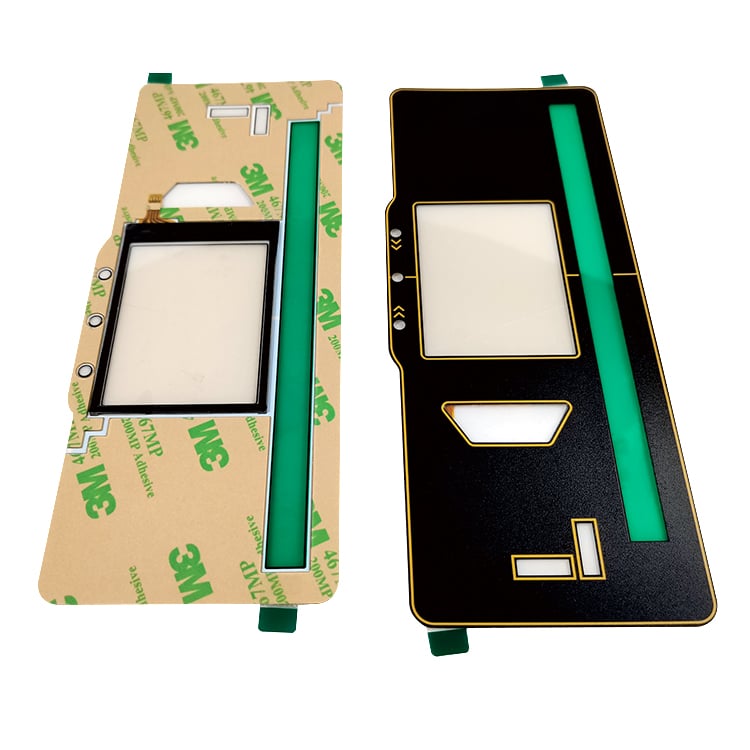
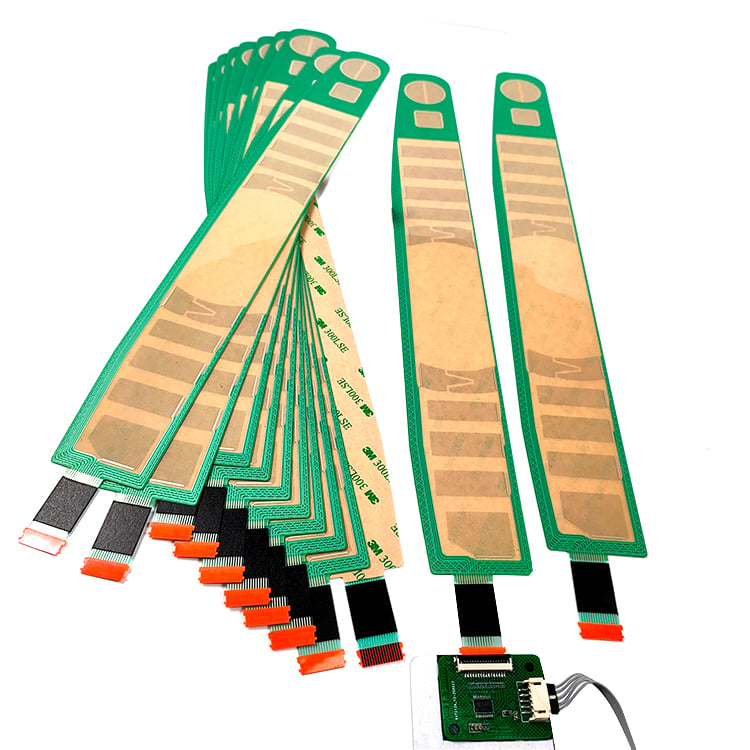
Analog resistive touch screens are a type of display that lets people interact with their devices just by touching the screen. These screens work by using two thin layers that are separated by a small gap. When you press down on the screen, the two layers touch each other. This creates an electrical signal that tells the device where you touched. Zhongman is a company that makes these touch screens, and they are quite popular for many devices. They're used in everything from phones to tablets and even in machines for businesses. People like them because they are easy to use and can work even if you use a stylus or wear gloves.
IATF 16949 Sensor Manufacturing: What Car OEMs Require from Tier 1 Suppliers
Common Quality Issues in IATF 16949 Sensor ProductionProducing automotive sensors that meet IATF 16949 standards requires consistent quality throughout the manufacturing process. One of the most common quality issues is inconsistent sensor performanc...
View More