EN
EN
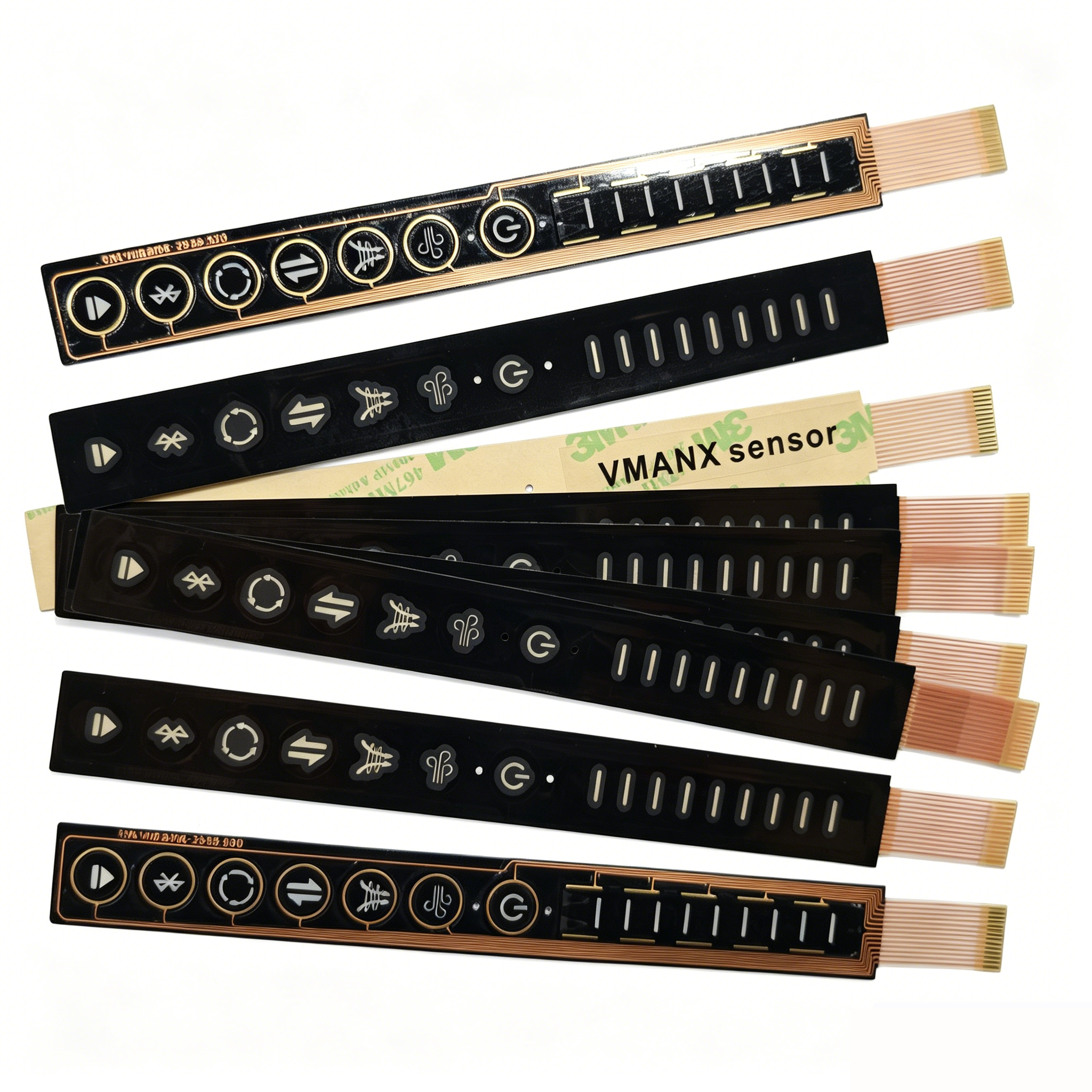
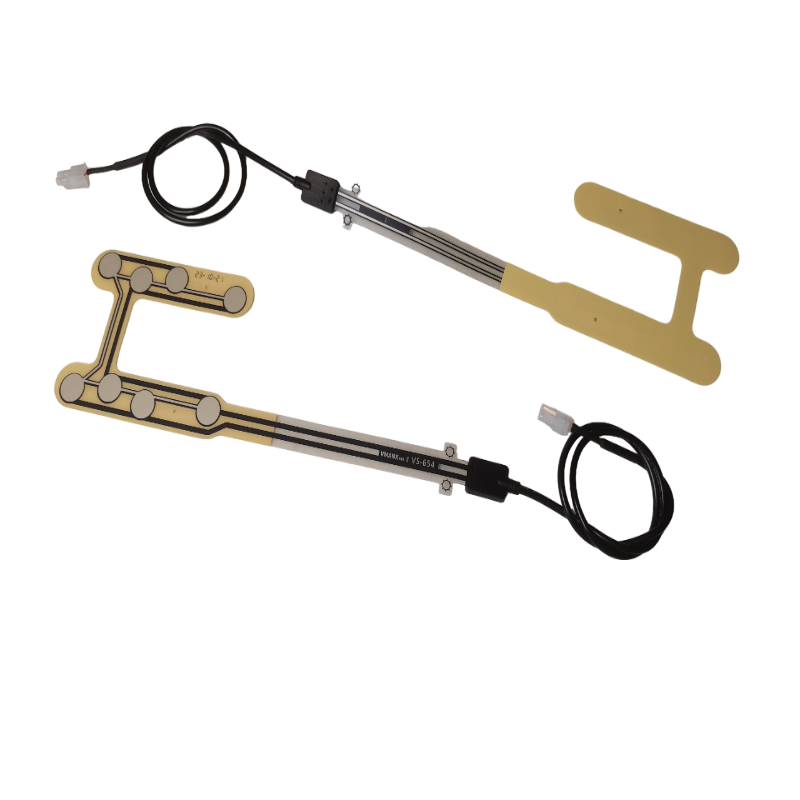
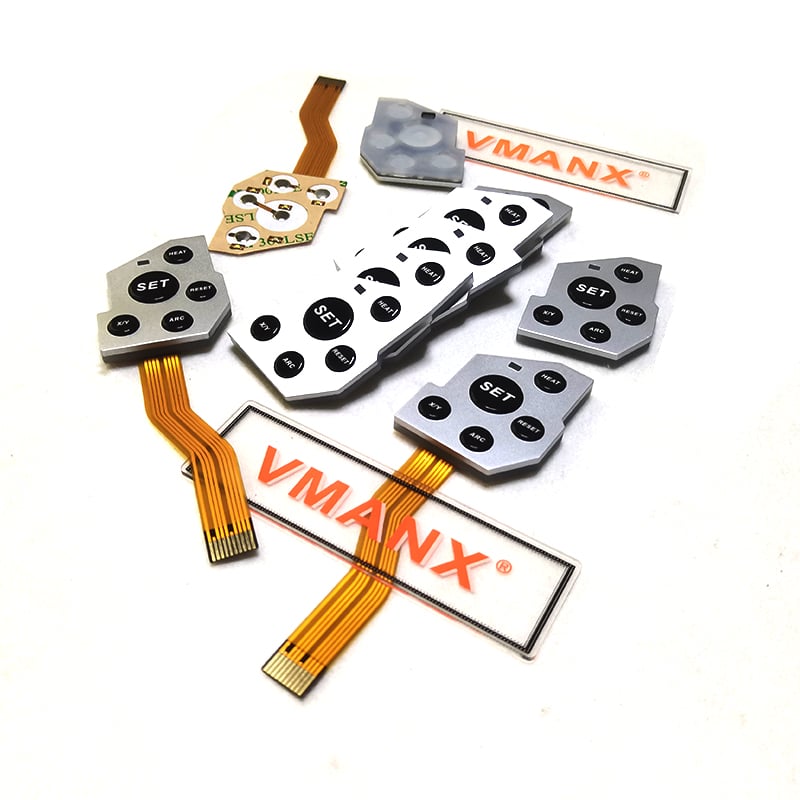
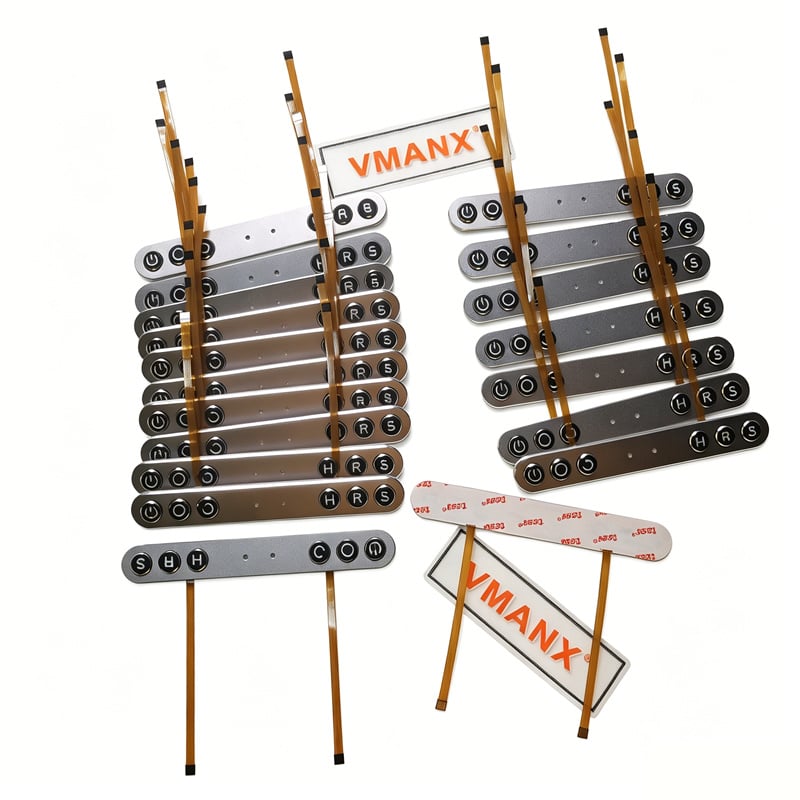
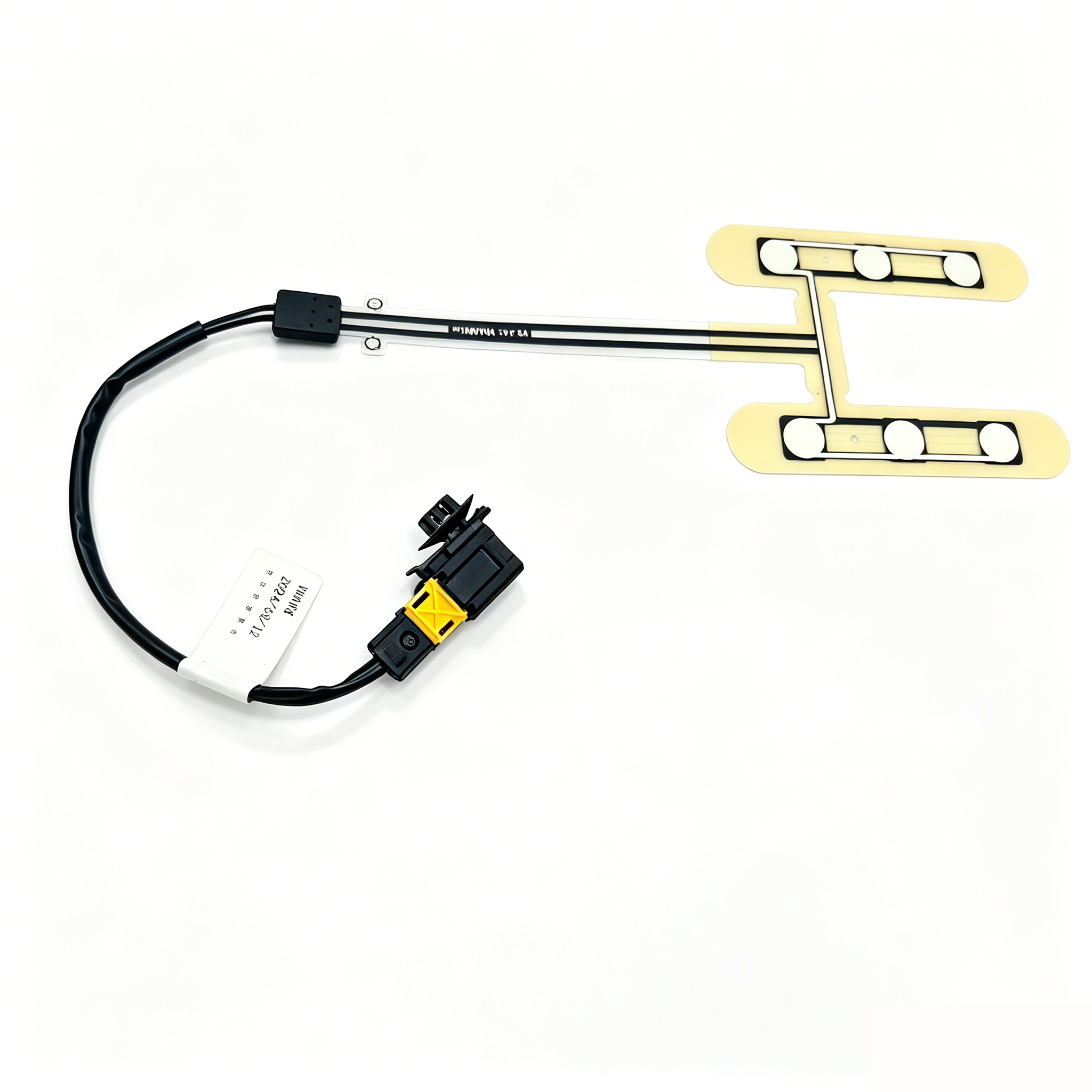
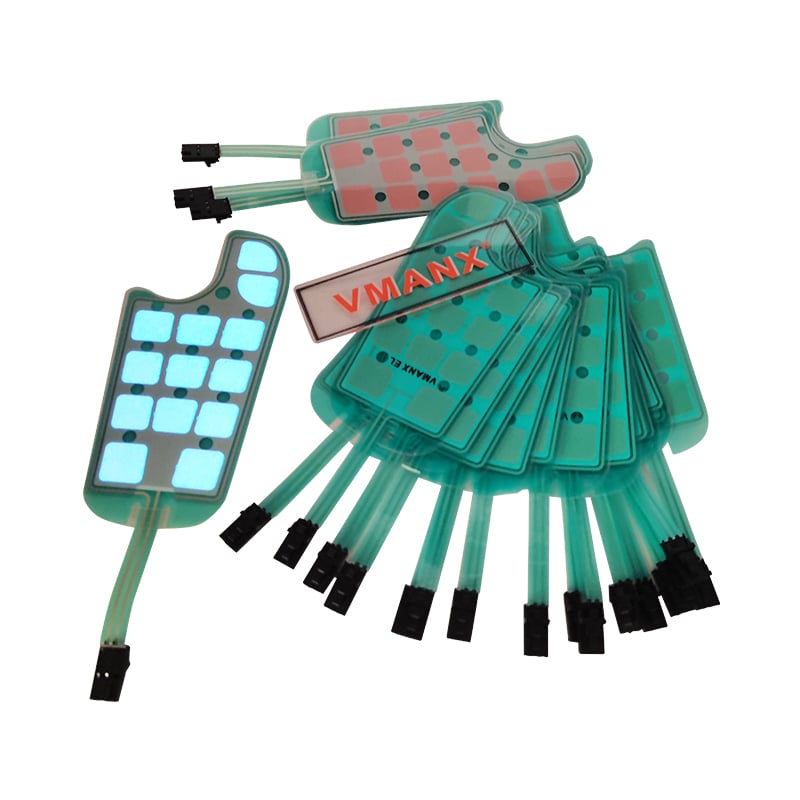
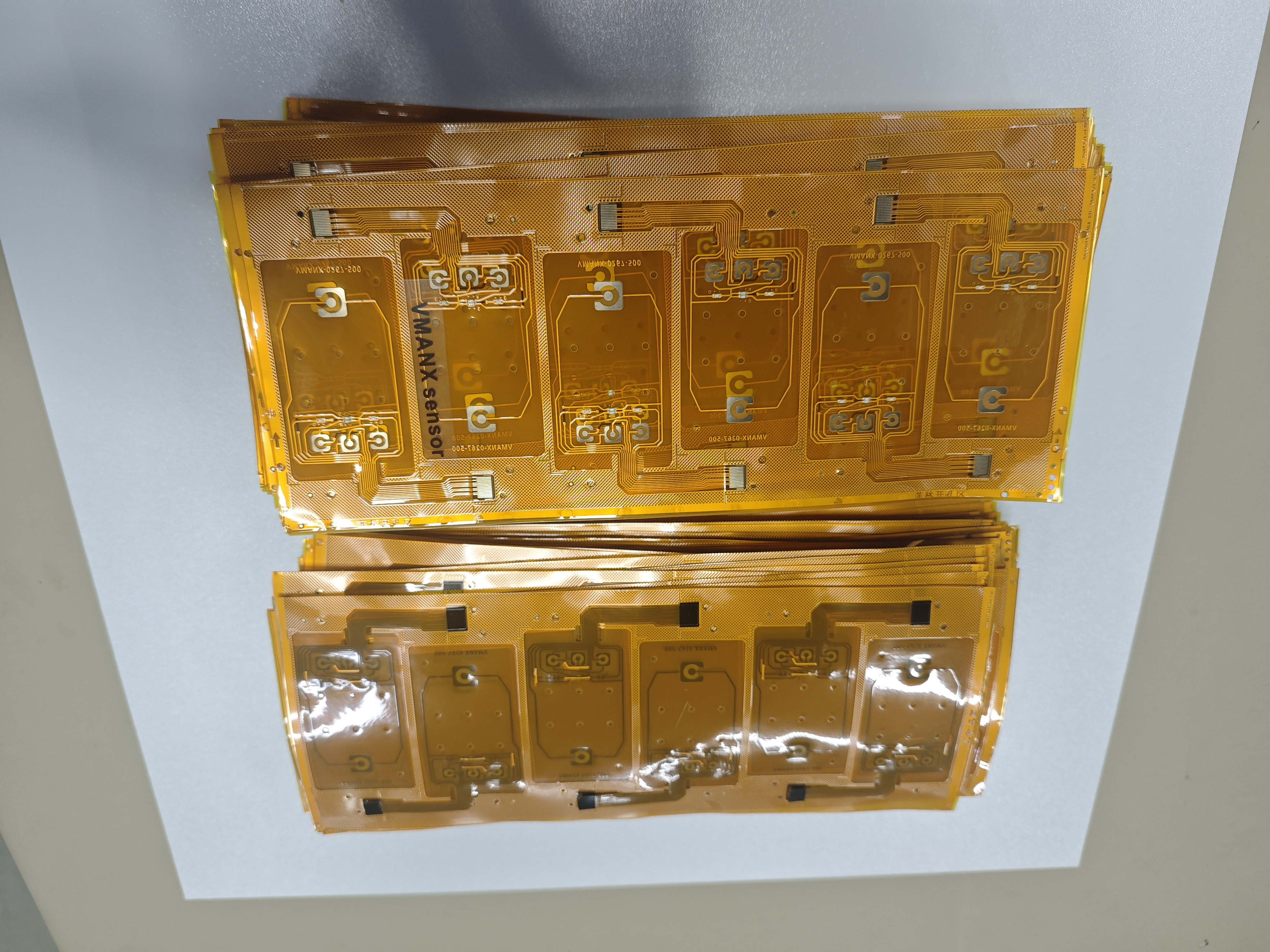
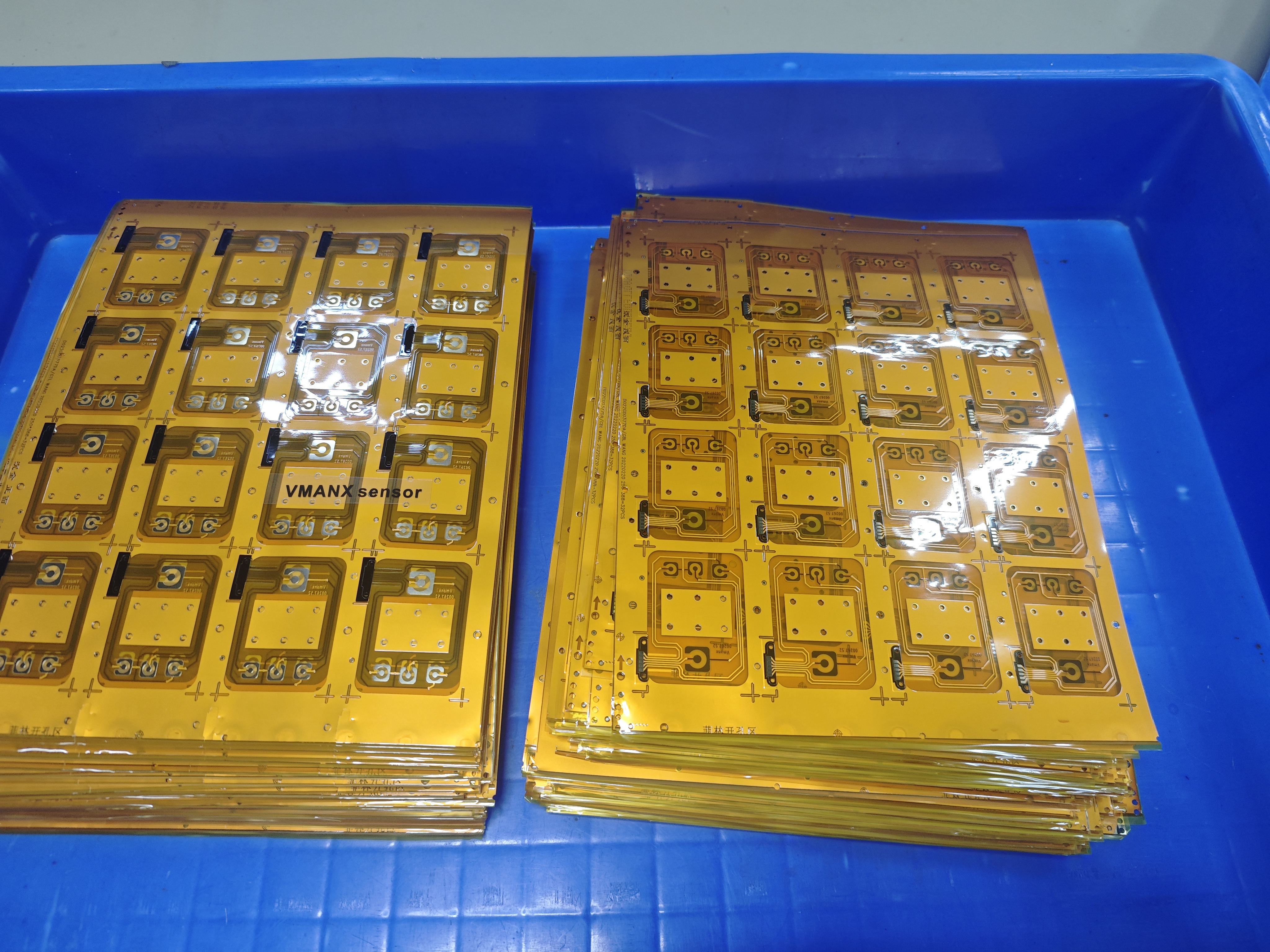
Flexible circuit PCBs are special kinds of electronic boards that can bend and twist. They are made of materials that allow them to move without breaking. This flexibility makes them different from regular circuit boards, which are stiff and can't change shape. Companies like Zhongman use these flex circuit pcb in many devices, from phones to medical gadgets. They help to make electronics lighter, smaller, and more efficient. The design allows for better use of space inside devices, which is very important as technology keeps getting smaller and more powerful
Flexible circuit PCBs offer many advantages for today's electronics. First, they are much lighter than traditional circuit boards. This is important for devices that need to be portable, like smartphones or tablets. When a device is lighter, it becomes easier for people to carry around. Second, these circuit boards can save space. They can fit into tight spots where regular boards can’t. This means designers can create thinner devices with more features. For example, a smartwatch can have sensors and other tools packed closely together without being bulky. Third, flexible circuit PCBs can handle movement and vibration better than rigid boards. This is crucial in products like drones or wearable technology, which might experience bumps and shakes. Fourth, they can be made in various shapes, allowing for creative designs that suit the product's needs. This customization helps companies like Zhongman to create unique solutions tailored to their clients. Lastly, they can be more reliable in harsh environments, like extreme temperatures or moisture. This makes them ideal for outdoor equipment or medical devices that need to stay functional in different conditions. Overall, the benefits of flexible circuit PCBs are clear; they help create better, more innovative electronics that meet the demands of modern life.