Flexible PCB Printing for Modern Electronics Needs

Requesting a Call:

+86-13431441931

Online Support

[email protected]

Get a Free Quote

Our representative will contact you soon.
Email
Mobile/WhatsApp
Name
Company Name
Message
0/1000
All Categories

Flexible pcb printing

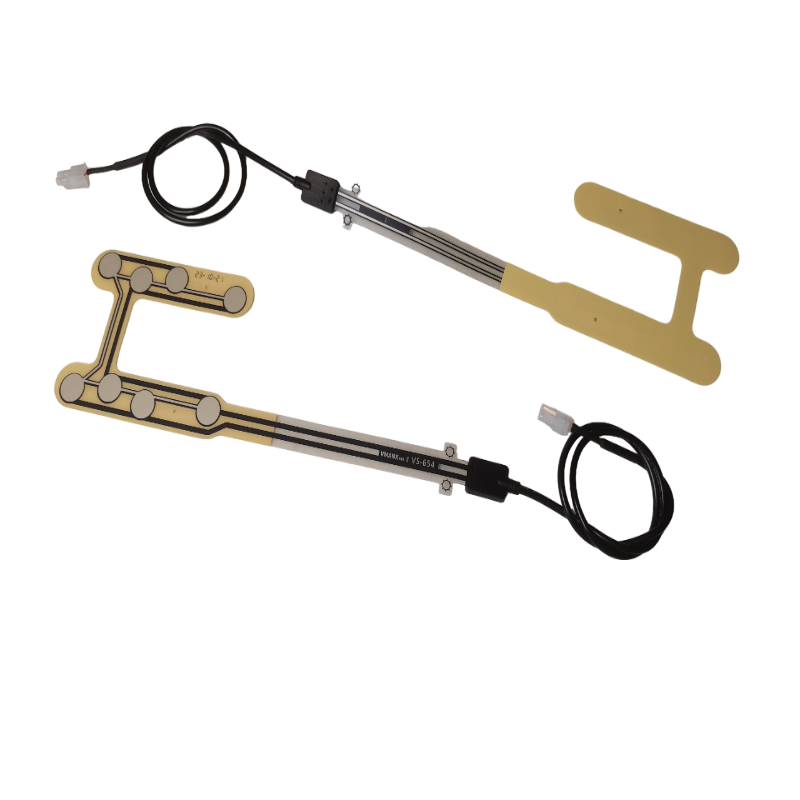
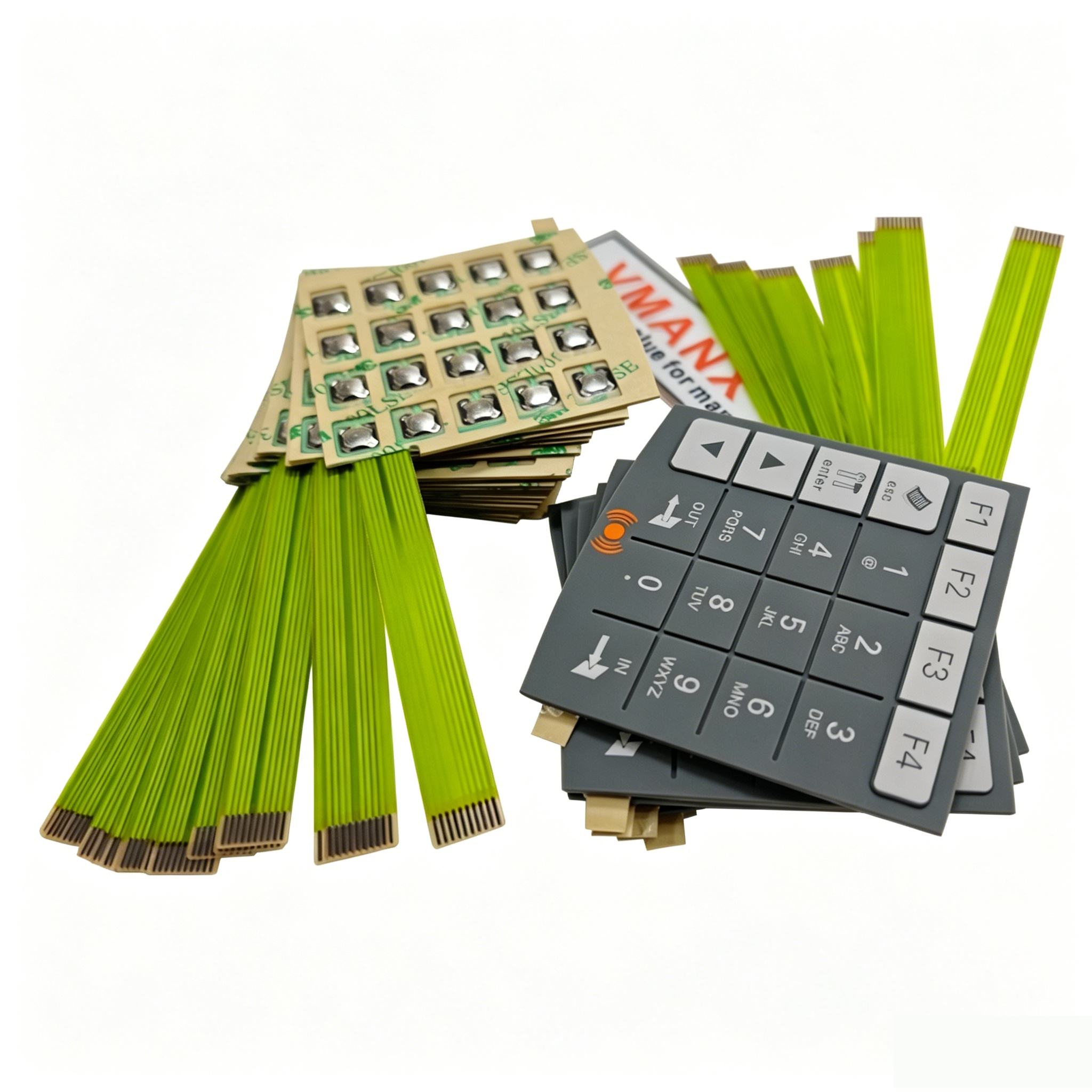
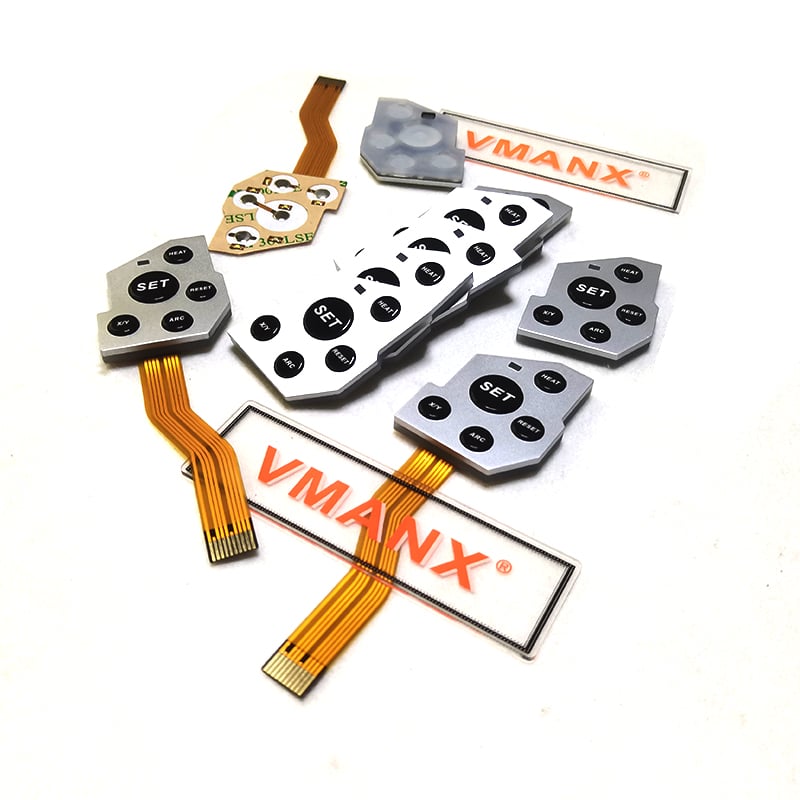
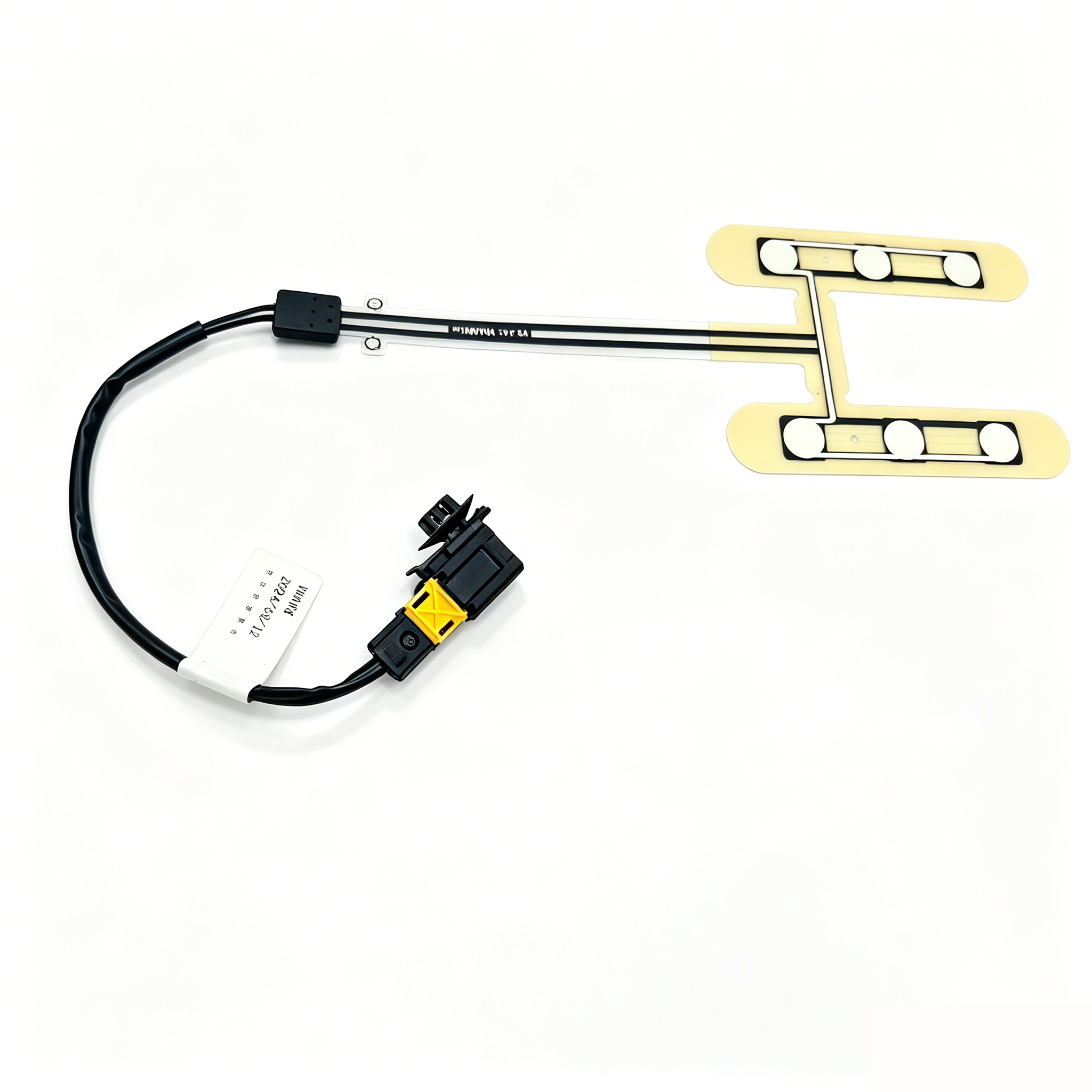
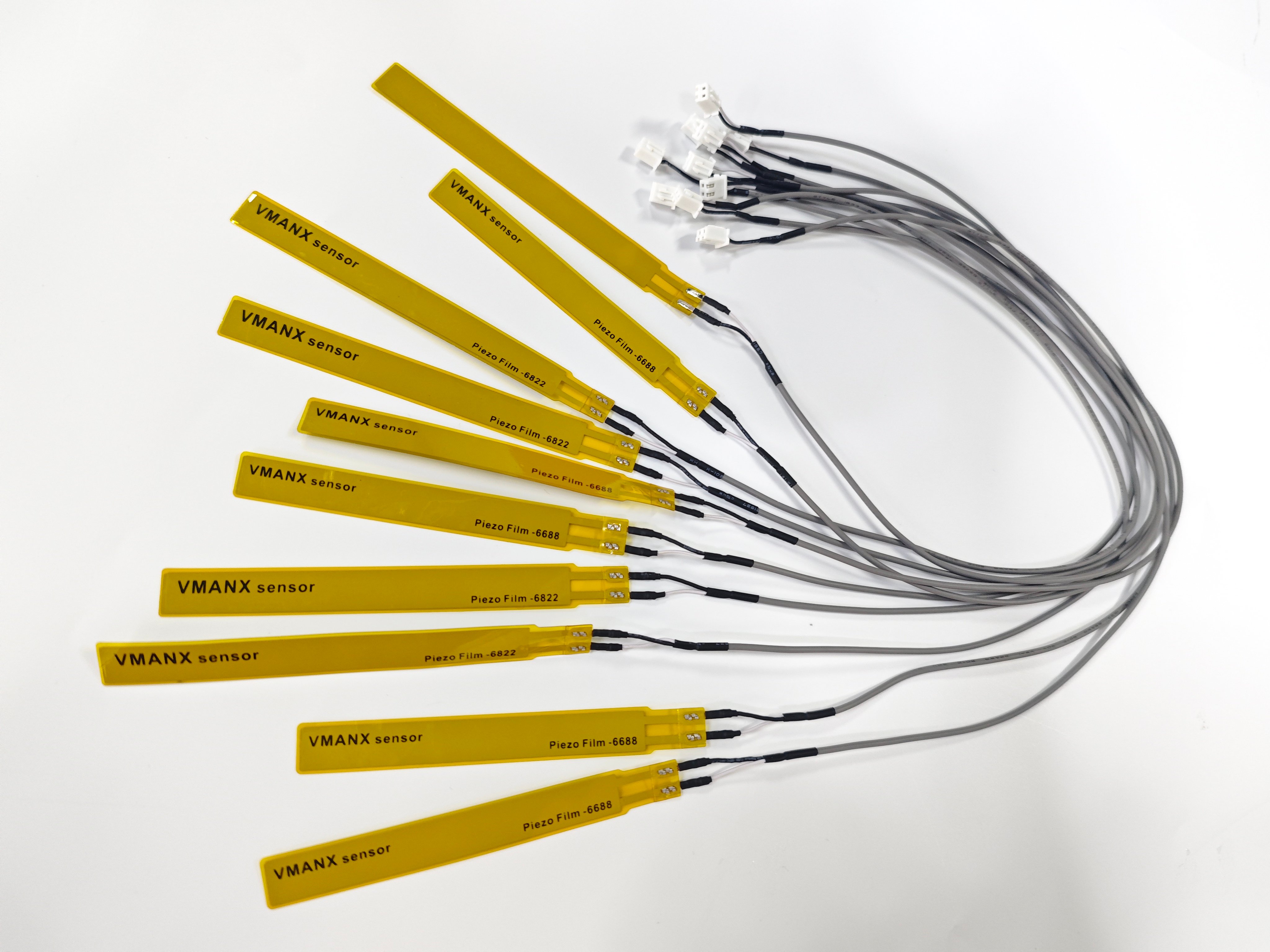
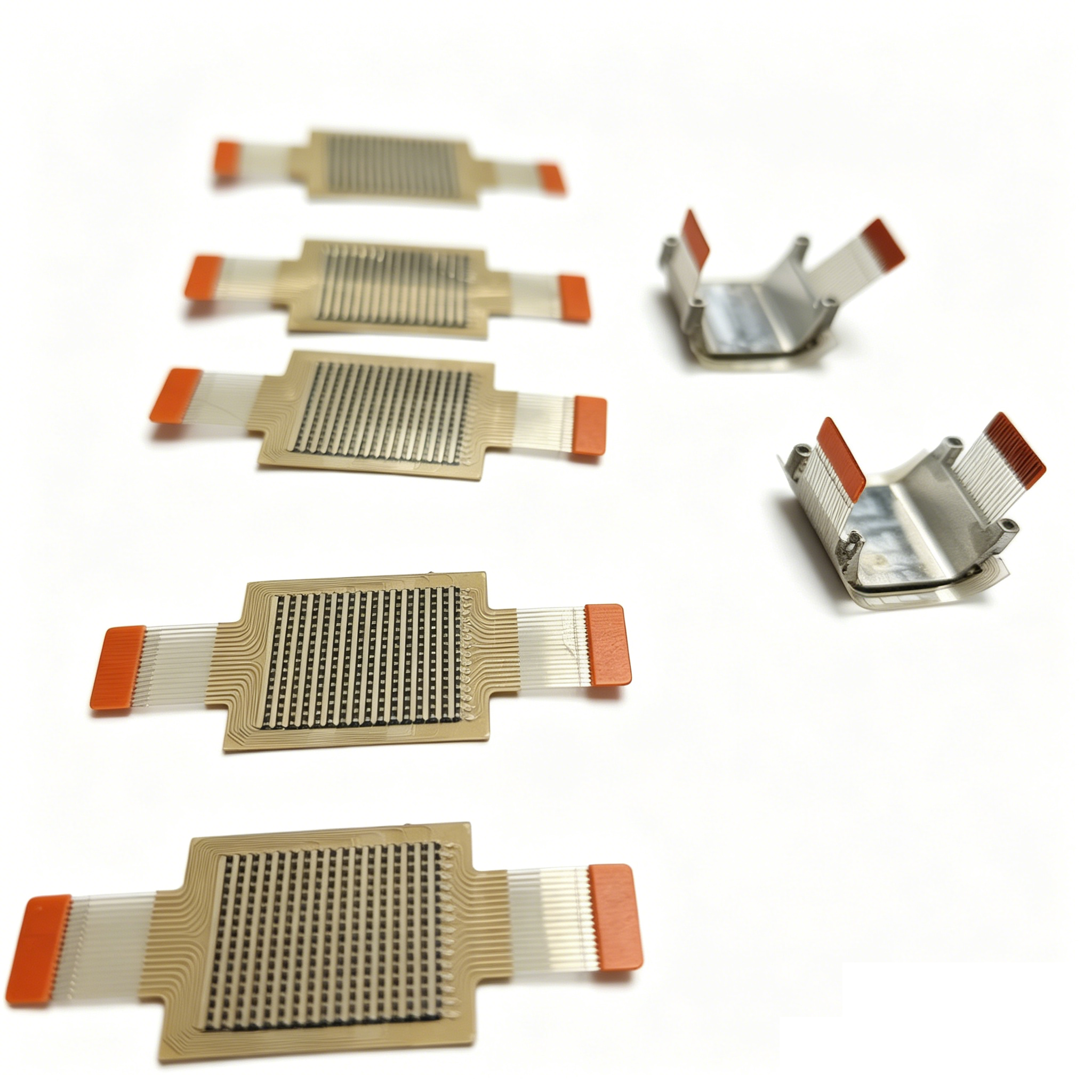
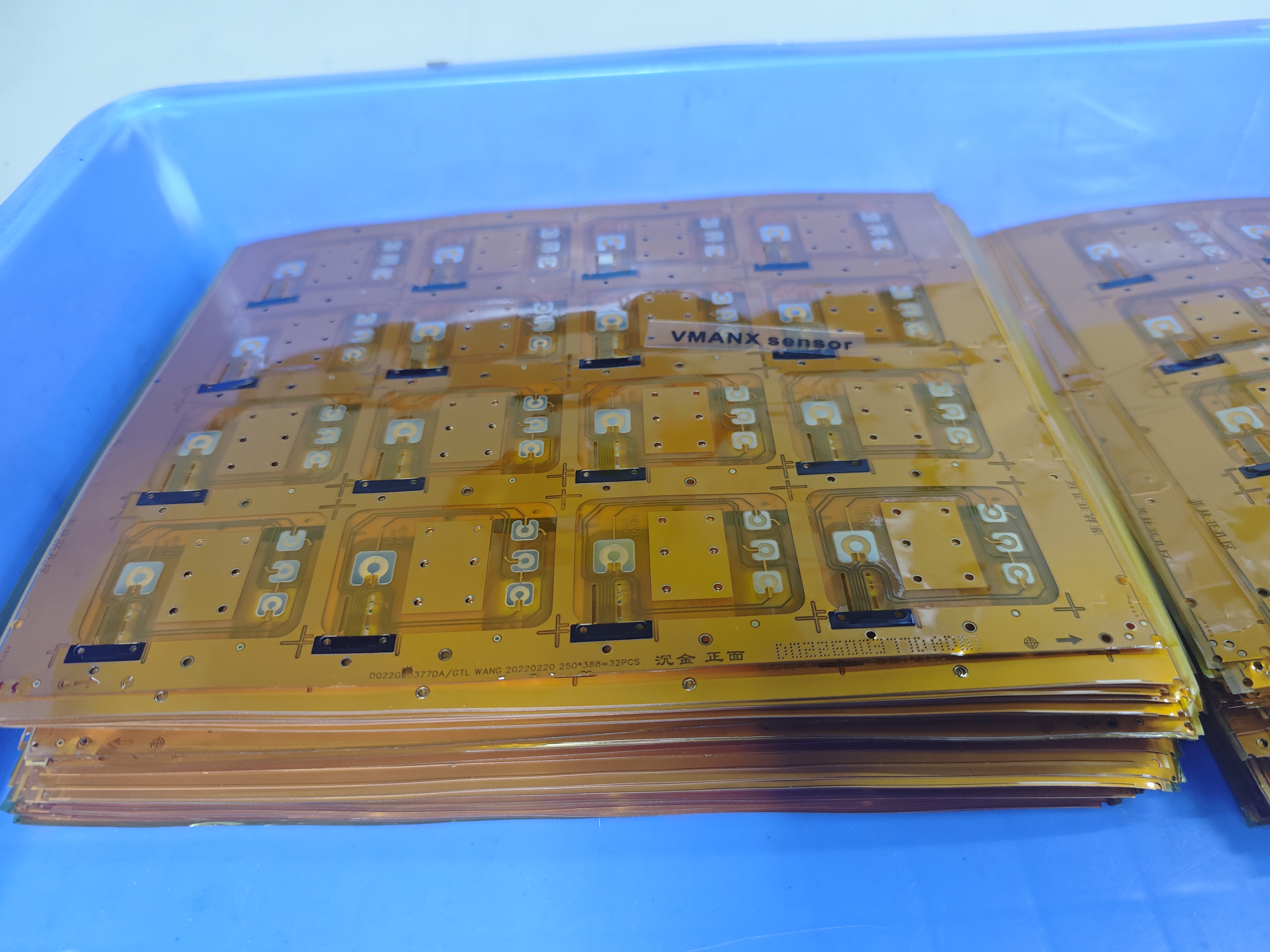
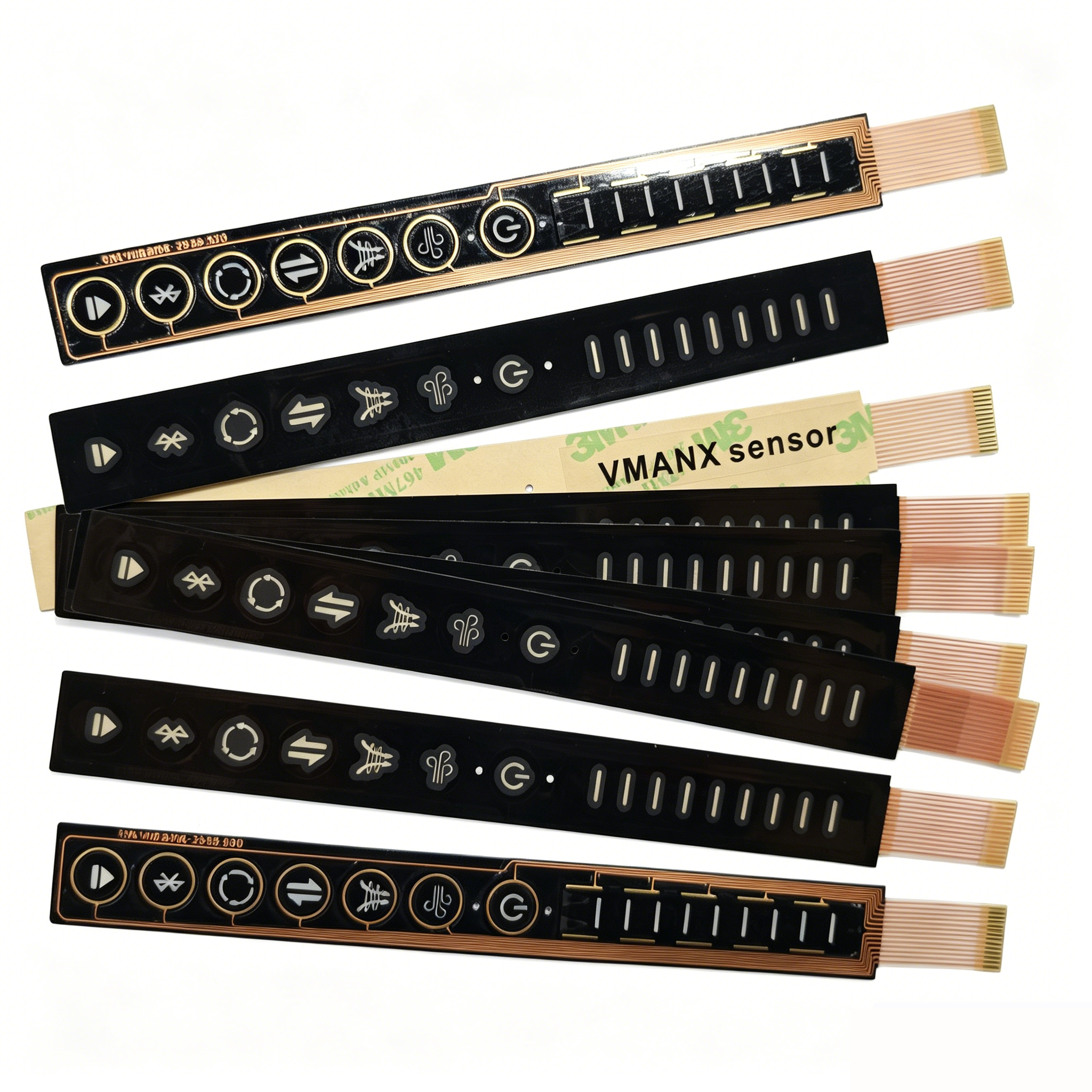
            Flexible PCB printing is an exciting technology that helps create printed circuit boards that can bend and twist. These boards are used in many devices like phones, cameras, and medical equipment. Companies like Zhongman flexible pcb specialize in making these flexible printed circuit boards. They use special techniques to ensure that the boards work well, even when they are shaped differently. This ability to bend makes them very useful in modern gadgets where space is often limited. We will look at the benefits of Zhongman flex circuit pcb for businesses and what new ideas are changing this field.         

Our Products

What Are the Benefits of Flexible PCB Printing for Your Business?

Flexible PCB printing offers many advantages for businesses. First, they save space. Traditional circuit boards are often flat and take up a lot of room. Zhongman flexible pcb board can fit in smaller spaces, making them perfect for slim devices like smartphones. This means manufacturers can design thinner gadgets without losing quality. Second, flexible PCBs are lighter than their rigid counterparts. This is important for products that need to be portable, like wearable devices. A lighter device is easier to carry around, which customers love. Additionally, flexible PCBs are very durable. They can handle bending and twisting without breaking. This is great for products that move a lot, like drones or robots. Another benefit is the ability to create more complex designs. Since these boards can be shaped to fit into specific spaces, engineers can design more innovative products. For example, a flexible PCB can wrap around a battery, making better use of space. Also, they can be cheaper in the long run. Although the initial cost might be higher, their durability means fewer replacements and repairs. Companies using flexible PCBs can offer better products, attract more customers, and grow their businesses. Zhongman understands these benefits and works hard to provide high-quality flexible PCBs that meet the needs of various industries.


Frequently Asked Questions

What is flexible PCB printing?

Flexible PCB printing produces bendable circuit boards using thin substrates and printed conductive traces, enabling compact, lightweight designs for sensors and wearable devices.
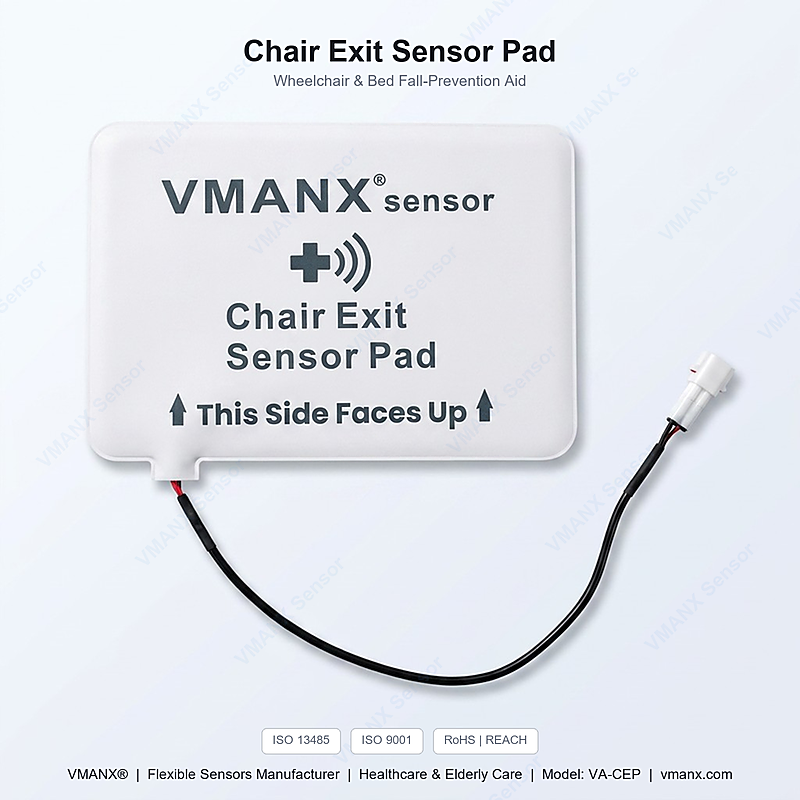
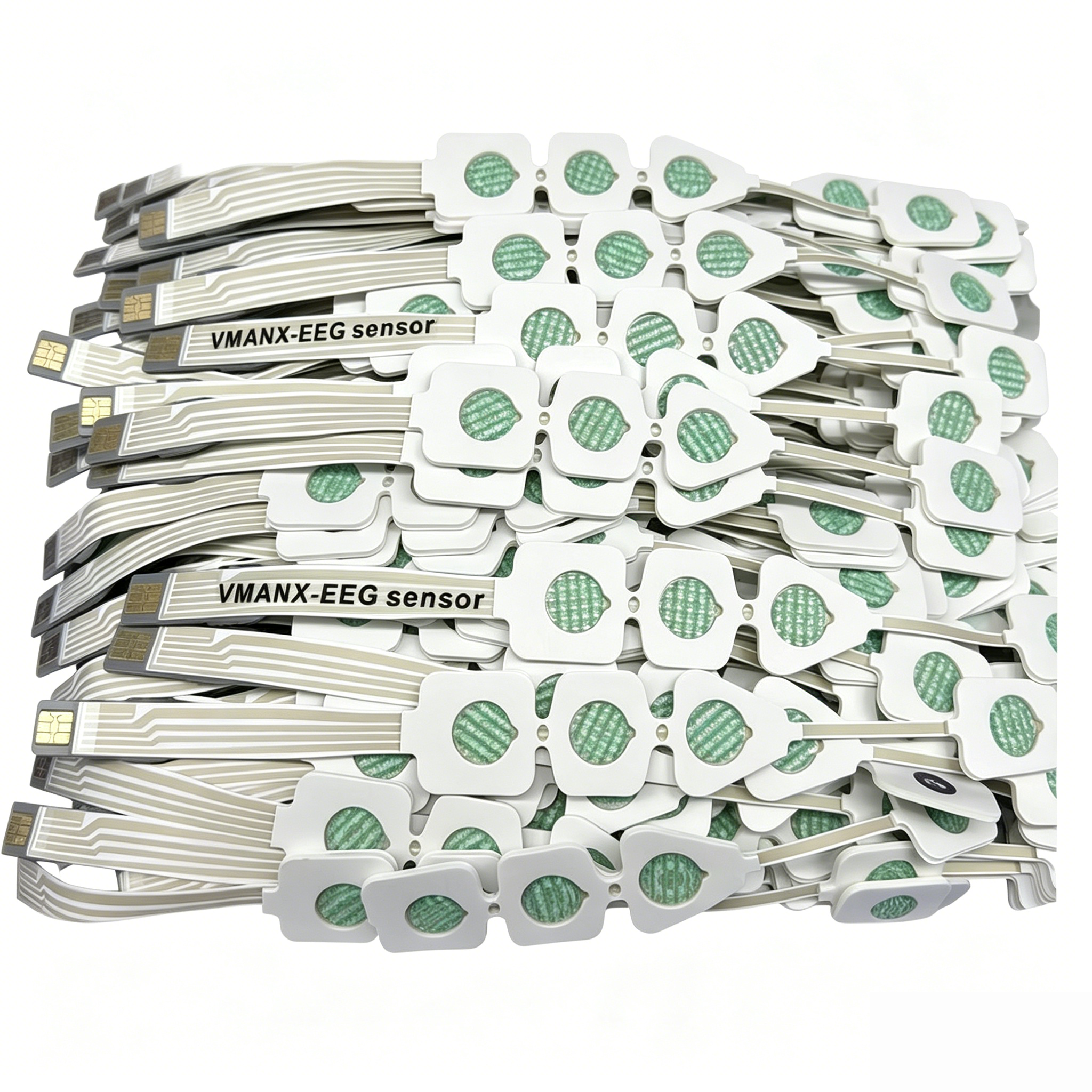
Our flexible PCBs serve medical (EEG/FSR), automotive (SBR/CPD) and smart home applications requiring compact, reliable sensor integration.
We provide one-stop services: design, layout, prototype printing, assembly and testing tailored to touch-sensing and sensor applications.
We use flexible substrates and custom copper thicknesses; options depend on electrical, mechanical and bending requirements—specs provided on request.
Quality is ensured via controlled production, inspection, electrical testing and sensor-specific validation processes aligned to application requirements.

Our Blog Posts

Disposable EEG vs. ECG Electrodes: Key Differences and OEM Selection Guide

01

Jul

Disposable EEG vs. ECG Electrodes: Key Differences and OEM Selection Guide

When we talk about medical tests, you might hear about EEG and ECG. Both of these tests use electrodes to help doctors check how our bodies are working. The EEG, which stands for electroencephalogram, looks at brain activity. It uses special electrod...
View More
Get a Free Quote

Our representative will contact you soon.
Email
Mobile/WhatsApp
Name
Company Name
Message
0/1000

Related product categories

What Innovations Are Shaping the Future of Flexible PCB Printing?

What Innovations Are Shaping the Future of Flexible PCB Printing?

Innovations in technology are making flexible PCB printing even better. One exciting development is the use of new materials. Scientists are discovering lightweight and strong materials that can be used in flexible PCBs. These materials can withstand heat and pressure, which is very important for electronics. Another innovation is the integration of sensors into flexible PCBs. This allows devices to gather information in real-time. For instance, a wearable health monitor can track heart rates or steps using sensors embedded in the flexible PCB. This means that gadgets are not only smaller but smarter too. Additionally, advancements in printing techniques help create more precise designs. For example, 3D printing technology is now being used to make flexible PCBs with complex shapes. This opens up a world of possibilities for engineers and designers. They can create unique products that were not possible before. Automation in manufacturing is also playing a key role. It helps speed up production and reduces errors, which means companies can deliver products faster. Zhongman is keeping up with these innovations to ensure they provide the best flexible PCBs in the market. By embracing these new technologies, businesses can stay ahead and offer exciting new products to their customers.


How to Troubleshoot Common Problems in Flexible PCB Production

How to Troubleshoot Common Problems in Flexible PCB Production

When making flexible printed circuit boards (PCBs), sometimes things don’t go as planned. It’s important to know how to fix these problems to make sure the PCBs work well. One common issue is the delamination of the layers. This means that the different layers of the PCB start to separate from each other. To fix this, you should check the temperature and pressure used during the production process. If the heat is too high or the pressure is too low, it can cause layers to peel apart. Another problem that can happen is short circuits, which means that electrical paths are accidentally connected. This can happen if there is dirt or dust on the board. To prevent this, always keep the workspace clean and check the board for any foreign materials before you start working. Sometimes, the traces on the board can be too thin, which can cause problems when electricity flows through them. If you notice that the traces are not thick enough, you can go back to the design and make them thicker in the next batch. Finally, if the production runs too slowly, it can lead to mistakes and poor-quality boards. To solve this, you might need to check the machines and make sure they are running properly. Regular maintenance of the machines can help prevent this issue. By knowing these common problems and how to fix them, companies like Zhongman can ensure that their flexible PCBs are made correctly and work as they should.


What Makes Flexible PCB Printing Ideal for Today's Electronics Market?

What Makes Flexible PCB Printing Ideal for Today's Electronics Market?

Flexible PCB printing is becoming very popular in today’s electronics market. But what makes it so special? First, flexible PCBs can bend and twist without breaking. This means they can fit into small and unusual spaces that regular PCBs cannot. For example, in smartphones, the space is very tight, and flexible PCBs can fit perfectly inside. This helps design smaller and lighter devices, which is what many people want today. Another great thing about flexible PCBs is that they are lightweight. This is important because lighter devices are easier to carry around. Think about how much easier it is to carry a light phone compared to a heavy one. Also, flexible PCBs can handle a lot of movement. This makes them perfect for wearables like smartwatches and fitness trackers that move with our bodies. Additionally, they can survive in different environments. Whether it’s hot, cold, or wet, flexible PCBs can keep working. This makes them great for many different products, from medical devices to automotive parts. Companies like Zhongman are able to produce flexible PCBs that meet these needs, making them a favorite in the market. The ability to save space, reduce weight, handle movement, and withstand various conditions makes flexible PCB printing an excellent choice for today’s electronics.


Get a Free Quote

Our representative will contact you soon.
Email
Mobile/WhatsApp
Name
Company Name
Message
0/1000