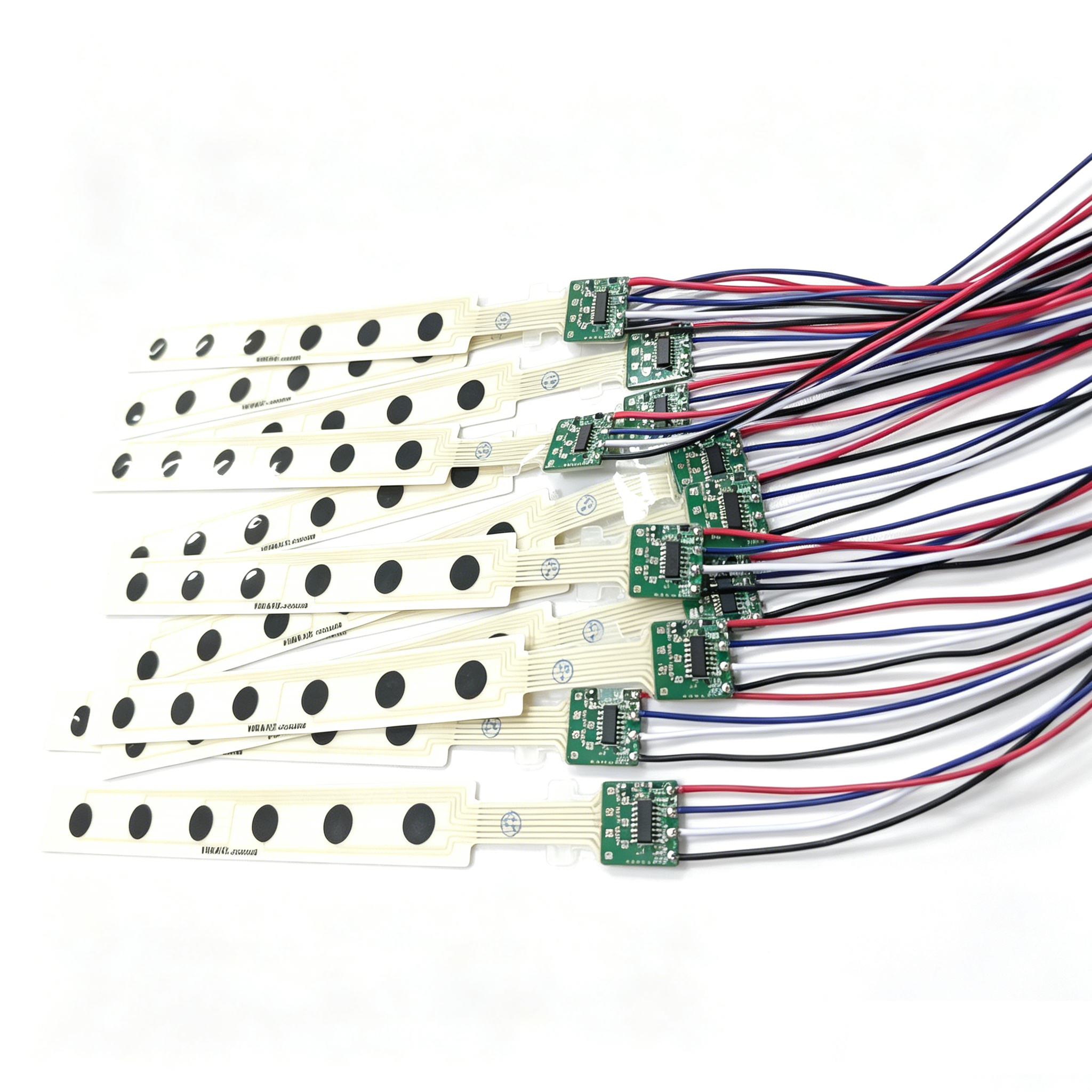
HMI Sensing Modules for Smart Automation Solutions

Requesting a Call:

+86-13431441931

Online Support

[email protected]

Get a Free Quote

Our representative will contact you soon.
Email
Mobile/WhatsApp
Name
Company Name
Message
0/1000
All Categories

hmi sensing module

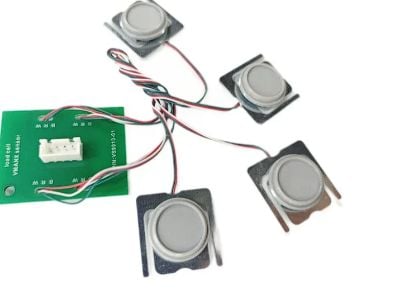
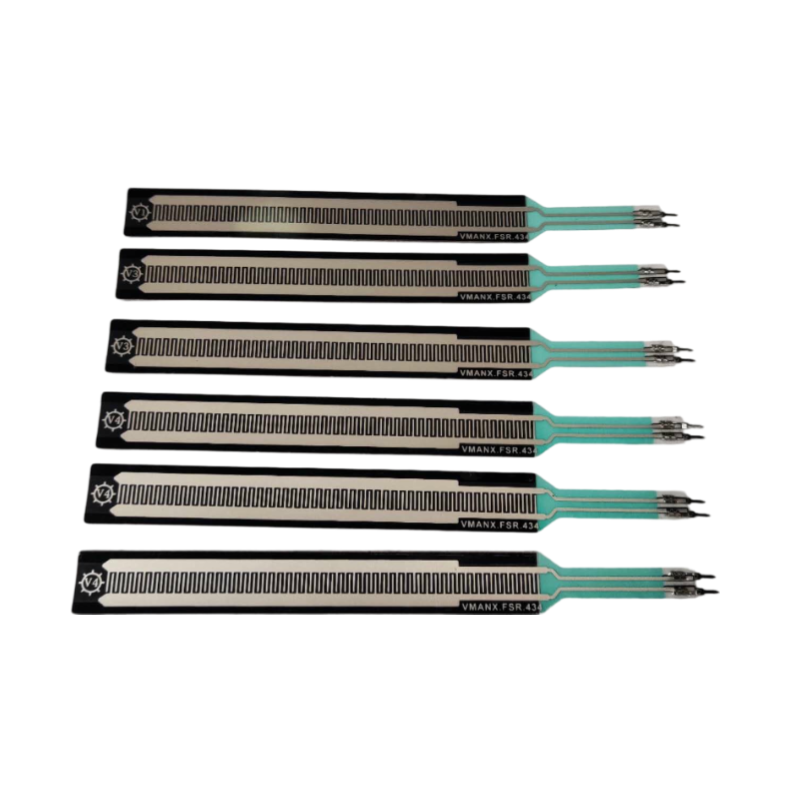
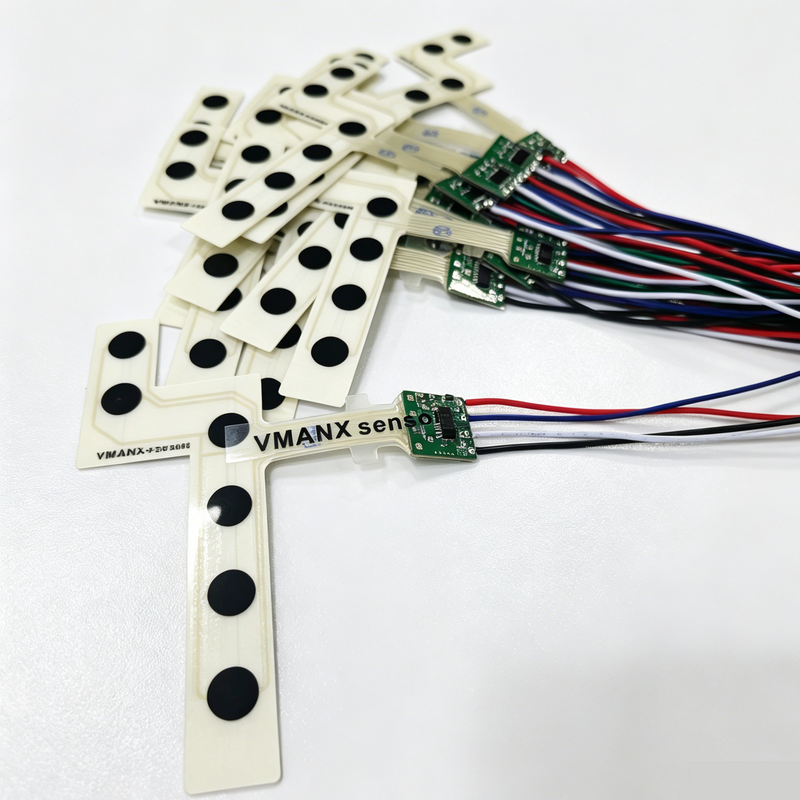
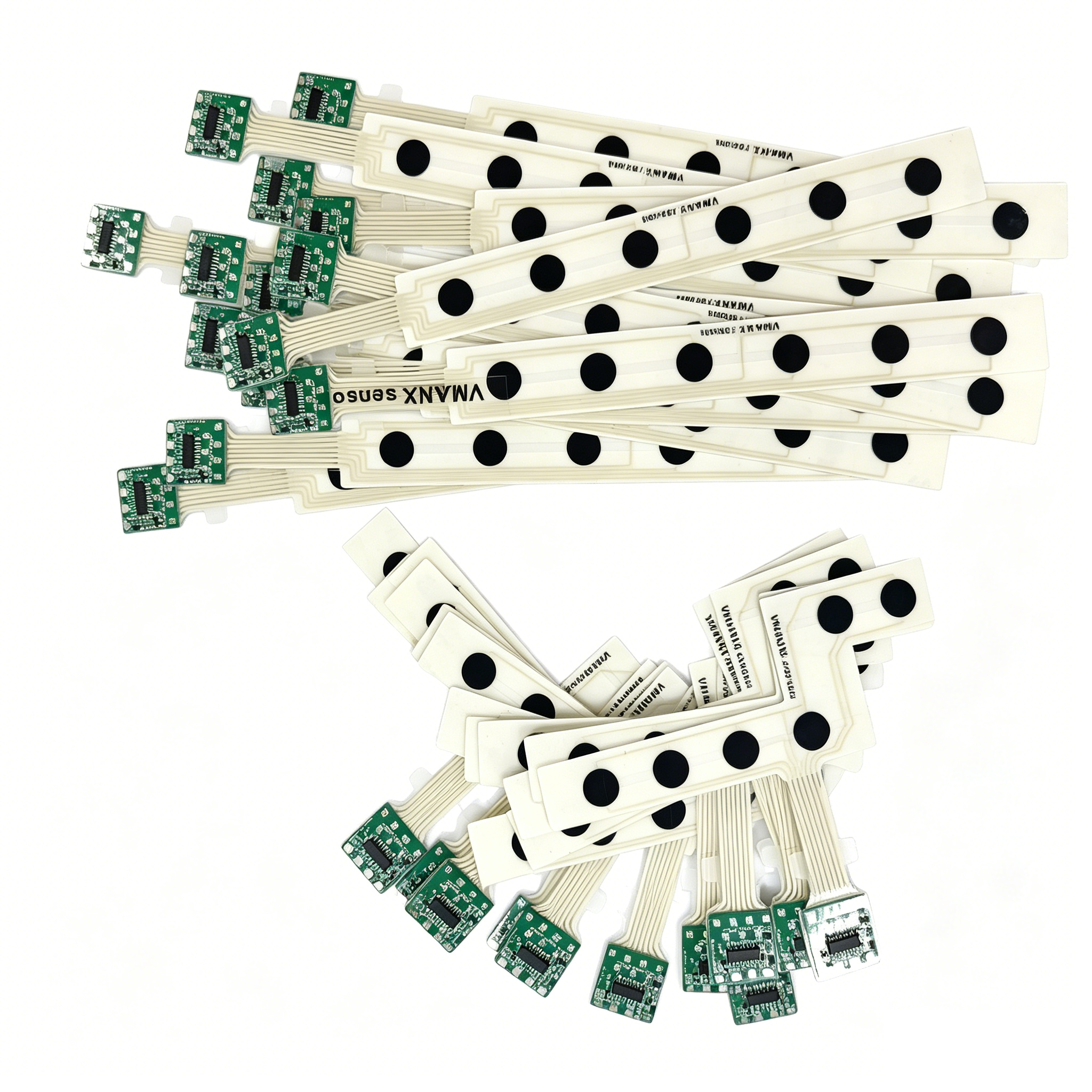
HMI sensing modules are important tools in  industries today. The  term "HMI" stands for Human-Machine Interface. These  modules help people  interact with machines, making it easier to control  and monitor different processes. For example, if a factory wants  to keep track of  how many items are being produced, an HMI sensing module  can provide real-time data. This information helps workers make quick decisions. Zhongman is a company that specializes in creating high-quality HMI sensing modules. They focus on making devices that are reliable  and easy to use, ensuring that businesses can operate smoothly.

When  picking  an HMI sensing module, it’s important to think about what your business really needs. First, you should consider  what kind of machines you will  be using it  with. Some  modules work best  with certain types of equipment. For instance, if  you have a factory with heavy machinery, you need a robust  module that can handle tough conditions. Next, look at the features. Some modules have  touchscreens, while others use buttons. Touchscreens can be easier to use but may require more  care. Also, think about the size of the module. A bigger screen can show more information, but it also takes up more space.
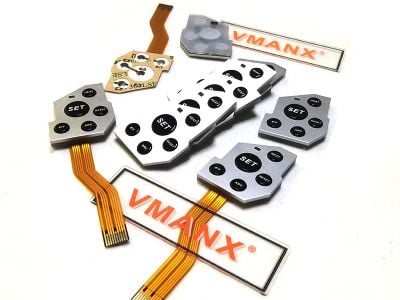
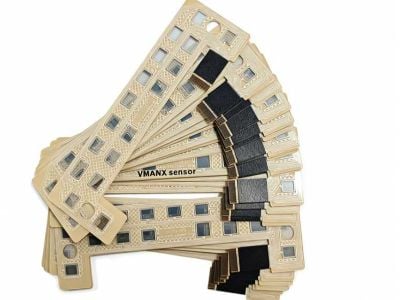
How to Choose the Best HMI Sensing Module for Your Business Needs

Another thing to keep in mind is the communication options. Some  modules connect through wires, while others can connect  wirelessly. Wireless  modules can be more flexible, but they may need a strong  signal to work properly. It’s  also wise to ask about customer support. If something goes  wrong,  you want to be able  to  get  help quickly. Zhongman  offers excellent support for its products,  helping customers choose the right module and providing assistance if needed.

Finally, don’t forget about the price. While you  want  a quality module, you also need to stay within your budget. Sometimes, spending a  little more can be worth it if the  module lasts longer or has better features. Talk to different suppliers, including Zhongman, to find the best deal  for the features  you  need. In the end, choosing the right HMI sensing module can make a big  difference in how smoothly your business runs.

Our Blog Posts

IATF 16949 Sensor Manufacturing: What Car OEMs Require from Tier 1 Suppliers

06

Jul

IATF 16949 Sensor Manufacturing: What Car OEMs Require from Tier 1 Suppliers

Common Quality Issues in IATF 16949 Sensor ProductionProducing automotive sensors that meet IATF 16949 standards requires consistent quality throughout the manufacturing process. One of the most common quality issues is inconsistent sensor performanc...
View More
IMD (In-Mold Decoration) Panels: Integrating Touch Sensors with Colored Film

31

Jul

IMD (In-Mold Decoration) Panels: Integrating Touch Sensors with Colored Film

In today’s world, technology continues to evolve, and one exciting innovation is In-Mold Decoration (IMD) panels. These panels combine vibrant colors, decorative designs, and touch sensors into a single surface. This means users can enjoy both an att...
View More
Custom Membrane Switch Design for Smart Kitchen Appliances (Humidity/Heat Resistance)

05

Aug

Custom Membrane Switch Design for Smart Kitchen Appliances (Humidity/Heat Resistance)

When it comes to making your kitchen smarter, the little details matter a lot. One of those details is the membrane switch. These switches control many kitchen appliances, like microwaves or coffee makers. They need to work well in places where it ca...
View More
How Flexible Touch Sensors Enable New Form Factors in Consumer Electronics

10

Aug

How Flexible Touch Sensors Enable New Form Factors in Consumer Electronics

In today’s world, technology is changing fast. One exciting change is the rise of flexible touch sensors. These sensors are special because they can bend and fit into different shapes. This opens up many new possibilities for devices we use every day...
View More

Get a Free Quote

Our representative will contact you soon.
Email
Mobile/WhatsApp
Name
Company Name
Message
0/1000

Related product categories

What Are the Key Benefits of HMI Sensing Modules in Industrial Automation?

What Are the Key Benefits of HMI Sensing Modules in Industrial Automation?

HMI sensing modules bring  many benefits to businesses using industrial automation. One of the biggest advantages is improved  efficiency. These modules help workers see the status of machines at a glance.  For example, if a machine is  down, the HMI can alert  workers right away. This way, they  can fix problems faster and  keep production going. Another  benefit is  better data collection. HMI modules  gather important  information about operations. This data can be very  useful  for making  decisions.  Companies can analyze trends, such  as  peak  production times, and  adjust  their processes accordingly.

What Are the Latest Trends in HMI Sensing Module Technology?

What Are the Latest Trends in HMI Sensing Module Technology?

HMI sensing modules are important parts of many  devices we use every day. HMI stands for Human-Machine Interface. These modules help us interact with machines in a smarter way. Some of the latest trends in HMI sensing technology include  touchless controls, voice recognition, and advanced  touchscreens. For example,  touchless  controls let  people use devices without actually touching them. This is  great for keeping things clean, especially during times when we need to be careful about germs. Voice recognition is another cool trend.  With this technology, you  can talk to a machine, and it will listen and respond. This makes using devices much easier, especially for people who might have trouble using buttons or screens. Advanced touchscreens are also becoming more popular. These screens  can sense how hard you press and can even tell the difference between a finger and a stylus. This makes using devices more precise. Our  company, Zhongman,  is always looking for ways to improve HMI sensing modules with these new trends. We want to make sure our products are user-friendly and exciting to  use. In addition to these trends, there is also a focus on  making HMI modules more energy-efficient. This means  they use less  power, which is  better for  the environment. Many companies are now designing their HMI modules to work well with smart devices and the Internet of Things (IoT). This  means that our devices can connect to the internet  and share information, making them even smarter. Overall, the latest trends in HMI sensing technology are all about making our interactions with machines smoother, easier, and more enjoyable. At Zhongman, we are excited to be a part of this growing field and look forward to bringing these innovations to our customers.

How to Integrate HMI Sensing Modules into Your Existing Systems

How to Integrate HMI Sensing Modules into Your Existing Systems

Integrating HMI sensing modules into your existing systems can seem challenging, but it can be done easily with the right steps. First, you need to understand what your current system looks like. Take a good  look  at the  machines or devices you already have. Find out what kind of controls they use and  how they  work. This will help you see where HMI sensing modules can fit in. Once you know your current setup, the next step is to choose the right HMI sensing modules from a trusted company like Zhongman. We offer a variety of modules that  can work with different systems. Make sure to  pick a module that is compatible with your technology. After you have chosen the right module, it’s time to set it up. This usually involves connecting the module to your  system’s hardware and software. If you are not sure how to do this,  you can look for guides  or tutorials online, or even ask for help from experts. Some modules may come with easy instructions, which can make the setup process smoother. Once everything is connected, you will need to test the HMI sensing module to make sure it works correctly. This means trying out the features, like touch or voice control, to see if they respond as expected. If something isn’t working  right, don’t worry! Troubleshooting is a normal part of the process. Look for any connections that might be loose or settings  that need to be adjusted. Lastly, after  everything is working well, consider training  your team on how to use the new HMI sensing module. This can help  everyone feel comfortable and confident when  using the new  technology. By  following these steps, integrating HMI sensing  modules into your existing systems can be a smooth and successful process,  helping you create a better experience for your users.

Get a Free Quote

Our representative will contact you soon.
Email
Mobile/WhatsApp
Name
Company Name
Message
0/1000