What Are the Key Benefits of Multilayer Flex PCBs for Your Projects?
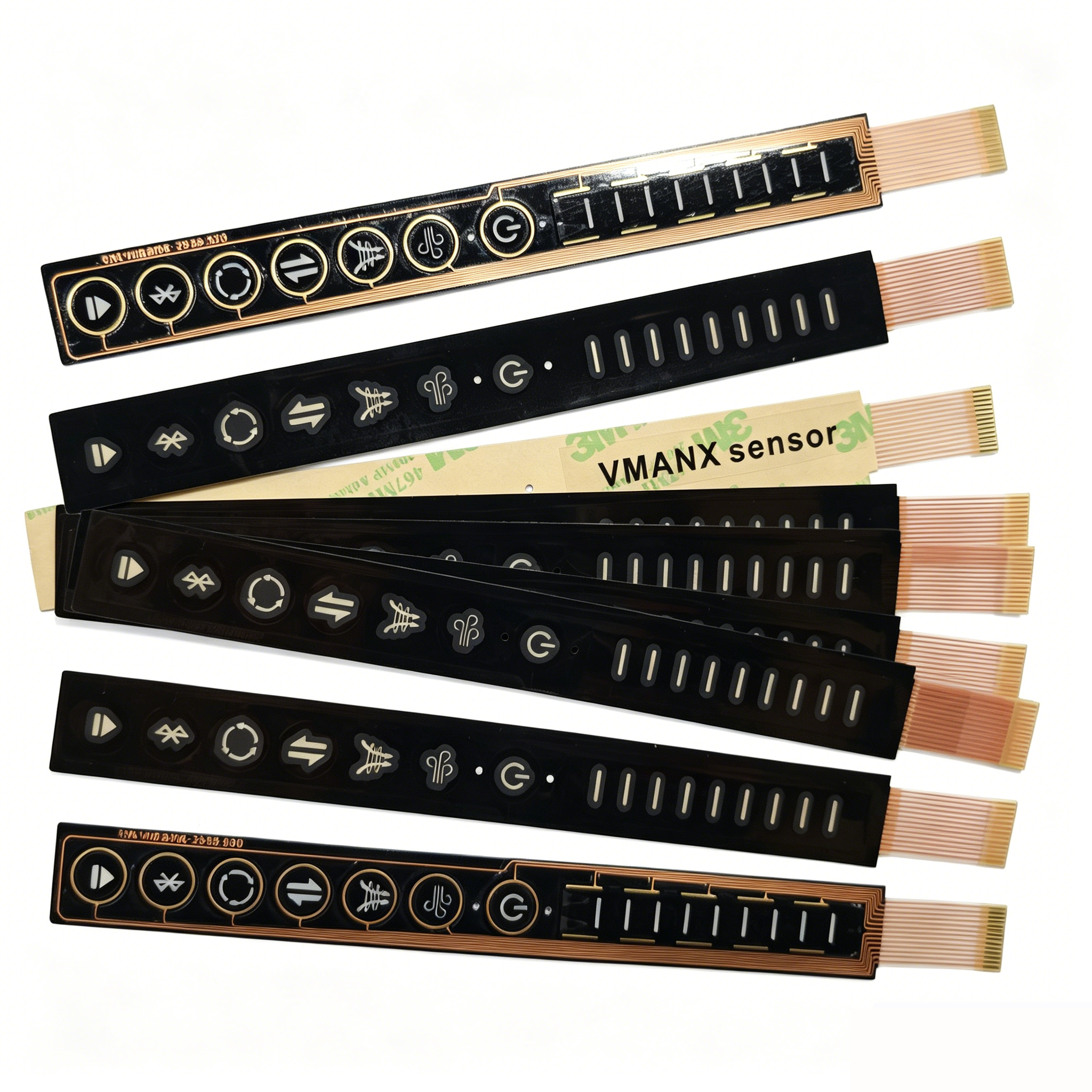
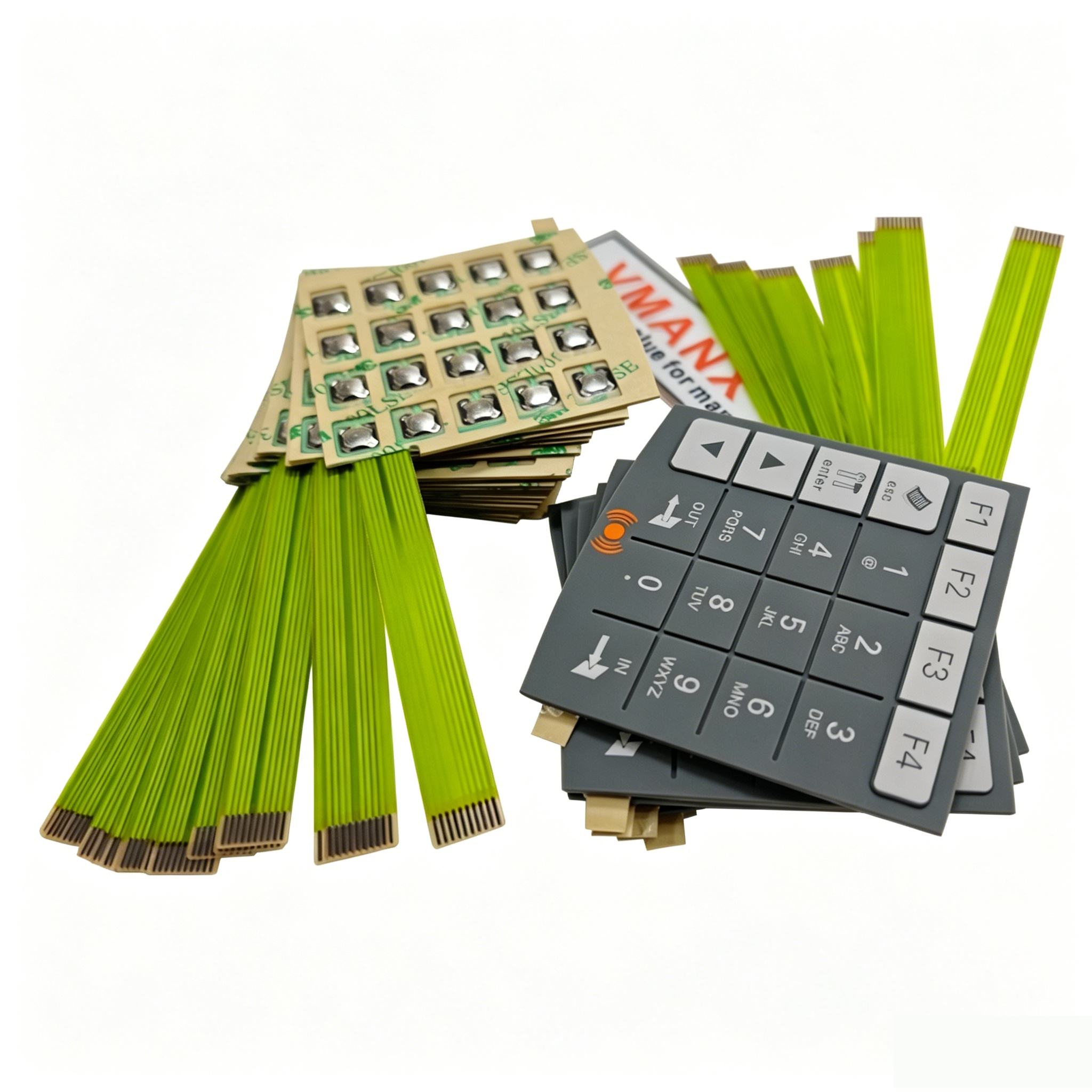
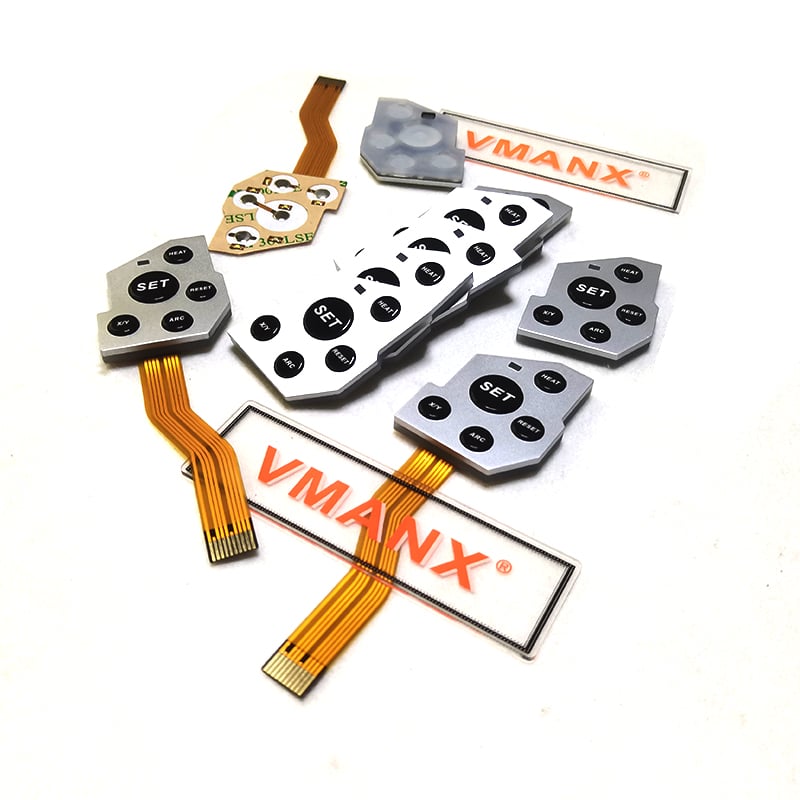
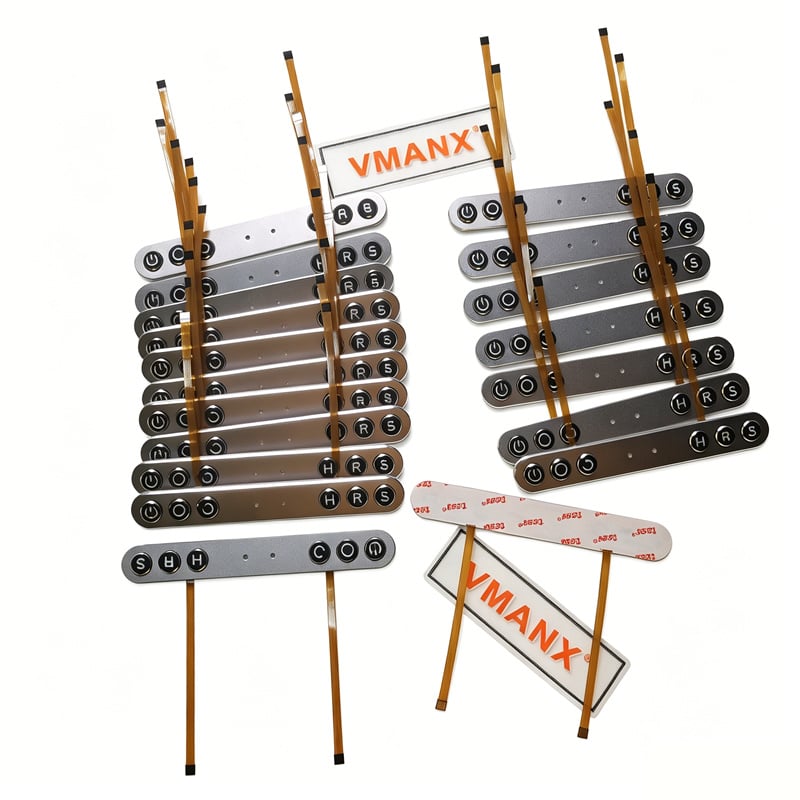
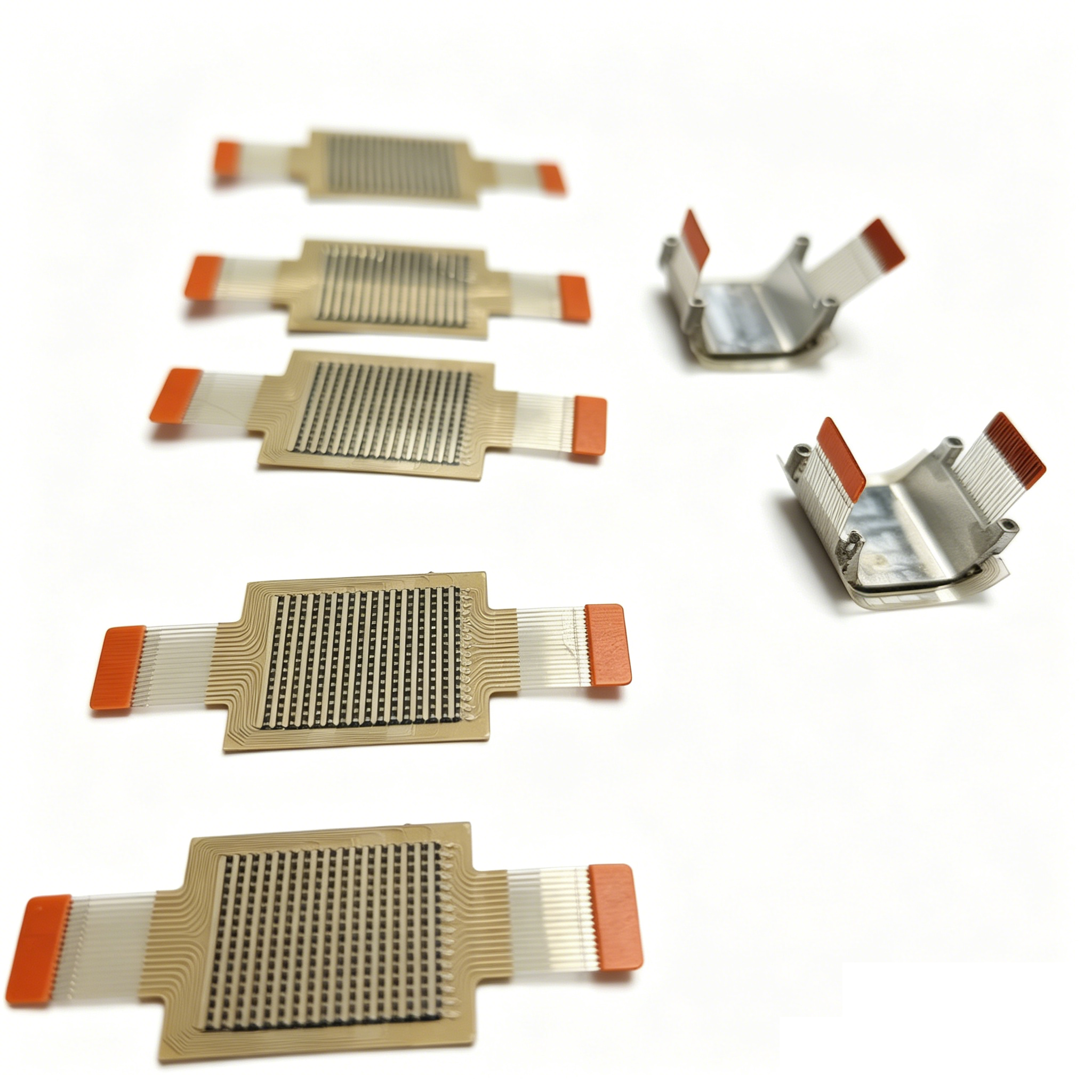
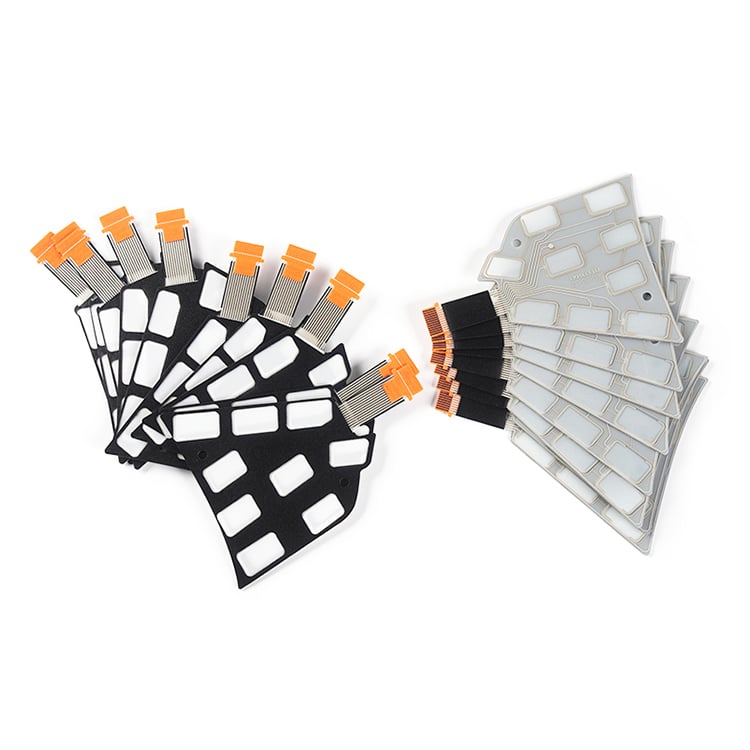
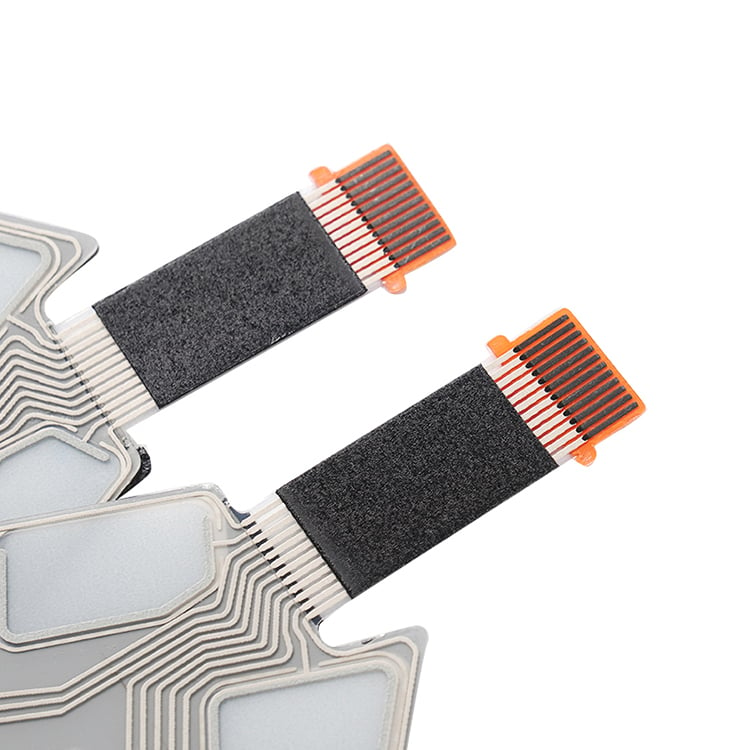
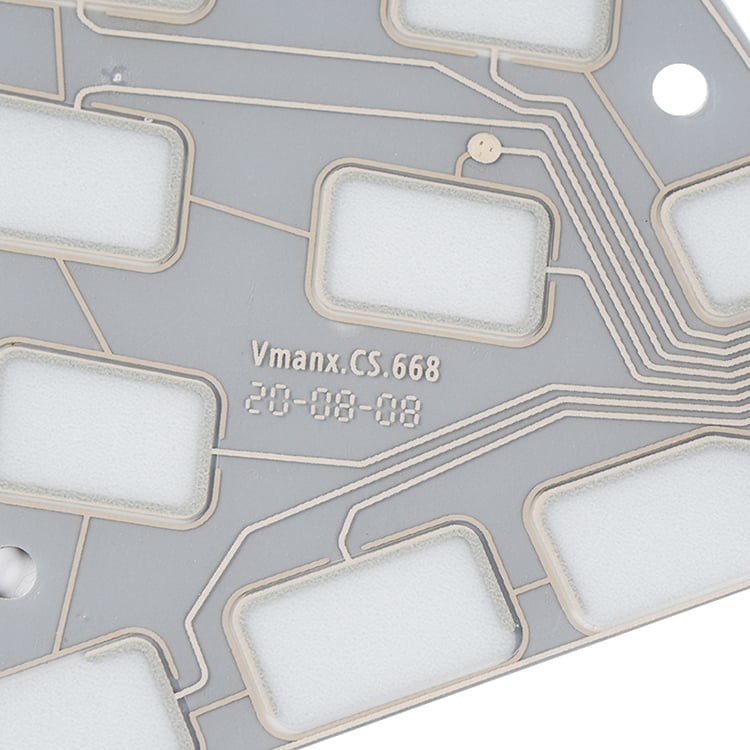
Multilayer flex PCBs offer many benefits for your projects. First, they save space. Since they can bend, you can fit them into tight areas where traditional boards might not work. For instance, in a smartphone, space is limited, and these flexible boards allow designers to maximize every inch. Second, the Zhongman flex pcb assembly are lighter than standard rigid boards. This is crucial for devices that need to be portable. A lighter device is easier to carry and often performs better. Third, multilayer flex PCBs provide better electrical performance. Because the layers are close together, they can transmit signals faster with less interference. This is vital for products that depend on quick responses, like gaming consoles or medical devices that monitor health in real time. Additionally, these PCBs are durable. They can withstand bending and twisting without breaking. This flexibility means they can last longer in devices that move or change shape. For example, wearable technology, such as smart watches, benefits greatly from this durability. Lastly, multilayer flex Zhongman rigid flex pcb manufacturer can reduce the need for additional components. With more connections on one board, manufacturers can simplify their designs and reduce costs. This streamlining can lead to faster production times and fewer mistakes during assembly. In short, multilayer flex PCBs bring a lot of advantages that can help your projects succeed.
While multilayer flex PCBs are great, there are challenges you need to be aware of. One common issue is the complexity of the design. Because these boards have many layers, designing them requires careful planning. If the layout is not done correctly, it can lead to problems like short circuits or failed connections. At Zhongman, our design team is focused on making sure every detail is correct, but it’s still something that every engineer should watch for. Another issue is the cost. While multilayer flex PCBs can save money in the long run, the initial cost can be higher than that of simple boards. This is due to the advanced materials and processes used in production. It’s important to weigh these costs against the benefits they provide. Also, it's crucial to understand that not all applications need multilayer flex PCBs. For simpler projects, a standard rigid PCB might be more suitable and cost-effective. Additionally, soldering can be tricky. The flexible nature of these boards makes them more sensitive to heat. If the soldering process is not controlled well, it can damage the board. Proper training and equipment are necessary to avoid such problems. Finally, manufacturers must ensure they are using high-quality materials. Poor quality can lead to early failure, which can ruin a project. By paying attention to these issues, you can make the most of multilayer flex PCBs and ensure your devices work well.

 EN
EN