Resistive Touch Screen Panel for Various Applications

Requesting a Call:

+86-13431441931

Online Support

[email protected]

Get a Free Quote

Our representative will contact you soon.
Email
Mobile/WhatsApp
Name
Company Name
Message
0/1000
All Categories

resistive touch screen panel

Zhongman specializes in making resistive touch screen panels, which are used in many devices like kiosks, ATMs, and industrial equipment. These panels allow users to interact with the device by pressing on the screen. Unlike other types of touch screens, resistive touch screens respond to pressure, making them very useful in many situations. They are often more affordable than other types and can work well with gloves or styluses. This makes them great for outdoor use or in factories where workers might wear gloves. Let’s look at the benefits of using resistive touch screens for businesses and how to choose the right one for your needs.
What Are the Key Benefits of Using Resistive Touch Screen Panels for Your Business?

Using resistive touch screen panels can be very beneficial for businesses. First, they are usually cheaper than other touch screen types, which can help save money. This is important for businesses that are trying to manage costs. Second, resistive touch screens can work with different tools, like a finger, stylus, or even gloves. This makes them perfect for places where employees need to wear gloves, such as factories or hospitals. Another great benefit is that they are very durable. They can handle rough use and are less likely to break compared to other screens. For example, if a worker accidentally drops a tool on the screen, a resistive touch panel might survive where other screens would not. Also, they are easy to clean, which helps keep them looking good and functioning well in busy environments. Many businesses like to use resistive touch screens in point-of-sale systems. Customers can easily select their items and pay through the screen. This speed can make customers happy and help businesses serve more people in less time. Lastly, resistive touch screens can work in different temperatures and conditions, making them versatile for various environments. For instance, a restaurant can use them in the kitchen, where it might be hot, and they will still work perfectly. This flexibility can be a game-changer for businesses looking to optimize their operations, such as using medical equipment and other applications.

Our Blog Posts

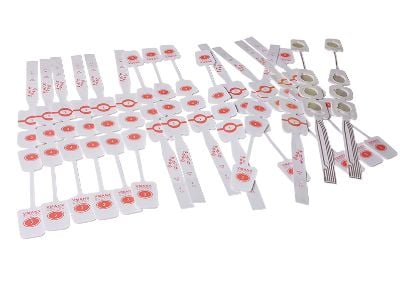
The Role of Printed Flexible Sensors in Next-Gen Patient Monitoring Systems

03

Jul

The Role of Printed Flexible Sensors in Next-Gen Patient Monitoring Systems

Printed flexible sensors are special tools that help doctors and nurses keep a close watch on patients’ health. These sensors can bend and stretch, making them easy to use in many ways. They can be placed on the skin to measure things like heart rate...
View More
IATF 16949 Sensor Manufacturing: What Car OEMs Require from Tier 1 Suppliers

06

Jul

IATF 16949 Sensor Manufacturing: What Car OEMs Require from Tier 1 Suppliers

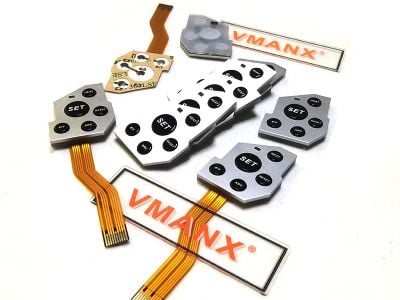
Common Quality Issues in IATF 16949 Sensor ProductionProducing automotive sensors that meet IATF 16949 standards requires consistent quality throughout the manufacturing process. One of the most common quality issues is inconsistent sensor performanc...
View More
Capacitive Touch Membrane Switch vs. Mechanical Buttons: Why Appliances are Switching

26

Jul

Capacitive Touch Membrane Switch vs. Mechanical Buttons: Why Appliances are Switching

Many appliances today are using capacitive touch membrane switches instead of traditional mechanical buttons. This change is happening because capacitive touch technology is changing how we interact with our devices. When you think about it, the butt...
View More

Get a Free Quote

Our representative will contact you soon.
Email
Mobile/WhatsApp
Name
Company Name
Message
0/1000

Related product categories

How to Choose the Best Resistive Touch Screen Panel for Your Application Needs?

How to Choose the Best Resistive Touch Screen Panel for Your Application Needs?

Choosing the right resistive touch screen panel for your business is very important. First, you need to think about the size of the screen. If it's for a small kiosk, you might want a smaller screen, but if it’s for a big machine, a larger screen would be better. Zhongman offers different sizes, so you can find the perfect fit. Next, consider the environment where the screen will be used. If it will be outside, look for a screen that is weather-resistant. You’ll also want to think about how often the screen will be touched. A panel that can handle heavy use is important for busy places. Another thing to think about is the resolution. A higher resolution means a clearer image, which can help users see the options better. It’s also wise to check how easy the screen is to clean. Some screens can get dirty quickly, so a panel that can be wiped down easily is a good choice. Additionally, think about how you want the screen to connect to your system. Do you need USB, HDMI, or something else? Make sure the resistive touch screen you choose can connect easily to your devices. Lastly, don’t forget about the warranty and support. Zhongman provides help if something goes wrong, so you can feel confident in your purchase. By considering these factors, you can choose the best resistive touch screen panel for your needs.

What Common Usage Issues Should You Know About Resistive Touch Screen Panels?

What Common Usage Issues Should You Know About Resistive Touch Screen Panels?

Resistive touch screen panels are popular in many devices, like ATMs, medical equipment, and old smartphones. However, there are some common problems that users should know about. One issue is that resistive screens need pressure to work. This means that if you tap too softly, the screen might not respond. Users need to press down firmly for it to register their touch. This can be a problem for people with disabilities or those who have trouble applying pressure. Another issue is that resistive screens can be harder to see in bright light. If you are outside in the sun, it might be tough to see what is on the screen. This can make it hard to use the device when you need it most. Also, resistive screens do not support multi-touch. This means you cannot pinch to zoom or use more than one finger at a time. This can limit how you interact with games or apps that need more complex finger movements. Additionally, resistive touch screens can wear out over time. If you use them a lot, the surface might get scratched or damaged, making it hard to see or use. It is important to take care of the screen by using a protective cover. Lastly, resistive screens may not be as fast or responsive as other types of screens. This can make them feel slow, especially if you are used to faster technology. Understanding these issues can help you use resistive touch screen panels better and know what to expect when using devices that have them.

How Resistive Touch Screen Technology Enhances User Experience in Various Industries?

How Resistive Touch Screen Technology Enhances User Experience in Various Industries?

Resistive touch screen technology has many benefits that improve user experience in different industries. One major advantage is that they can be used with any object. This means you can use your finger, a stylus, or even a gloved hand to operate them. This is especially helpful in places like hospitals where workers wear gloves to keep things clean. In a hospital, doctors and nurses can touch the screen without taking off their gloves, which helps keep everyone safe. Another great feature of resistive touch screens is their durability. They can withstand rough use and are often more robust than other screens. This makes them perfect for industries like manufacturing and construction, where tools and devices can be dropped or hit. In these settings, a resistive touch screen can keep working even after a lot of wear and tear. Furthermore, resistive touch screens are often cheaper to produce than other types, making them more affordable for businesses. This allows companies to provide devices to more people without spending too much money. Additionally, resistive screens are good for simple applications that do not require complex gestures. They are easy to use and understand, which makes them great for kiosks or information stations in public places. When people can easily interact with a screen, they are more likely to have a positive experience. In short, resistive touch screen technology provides many benefits that enhance user experience across different industries, making devices more accessible, durable, and cost-effective, such as those used in industrial applications.

Get a Free Quote

Our representative will contact you soon.
Email
Mobile/WhatsApp
Name
Company Name
Message
0/1000