Requesting a Call:

+86-13431441931

Online Support

[email protected]

Get a Free Quote

Our representative will contact you soon.
Email
Mobile/WhatsApp
Name
Company Name
Message
0/1000
All Categories

IATF 16949 Sensor Manufacturing: What Car OEMs Require from Tier 1 Suppliers

2026-07-06 17:29:21
IATF 16949 Sensor Manufacturing: What Car OEMs Require from Tier 1 Suppliers

Common Quality Issues in IATF 16949 Sensor Production

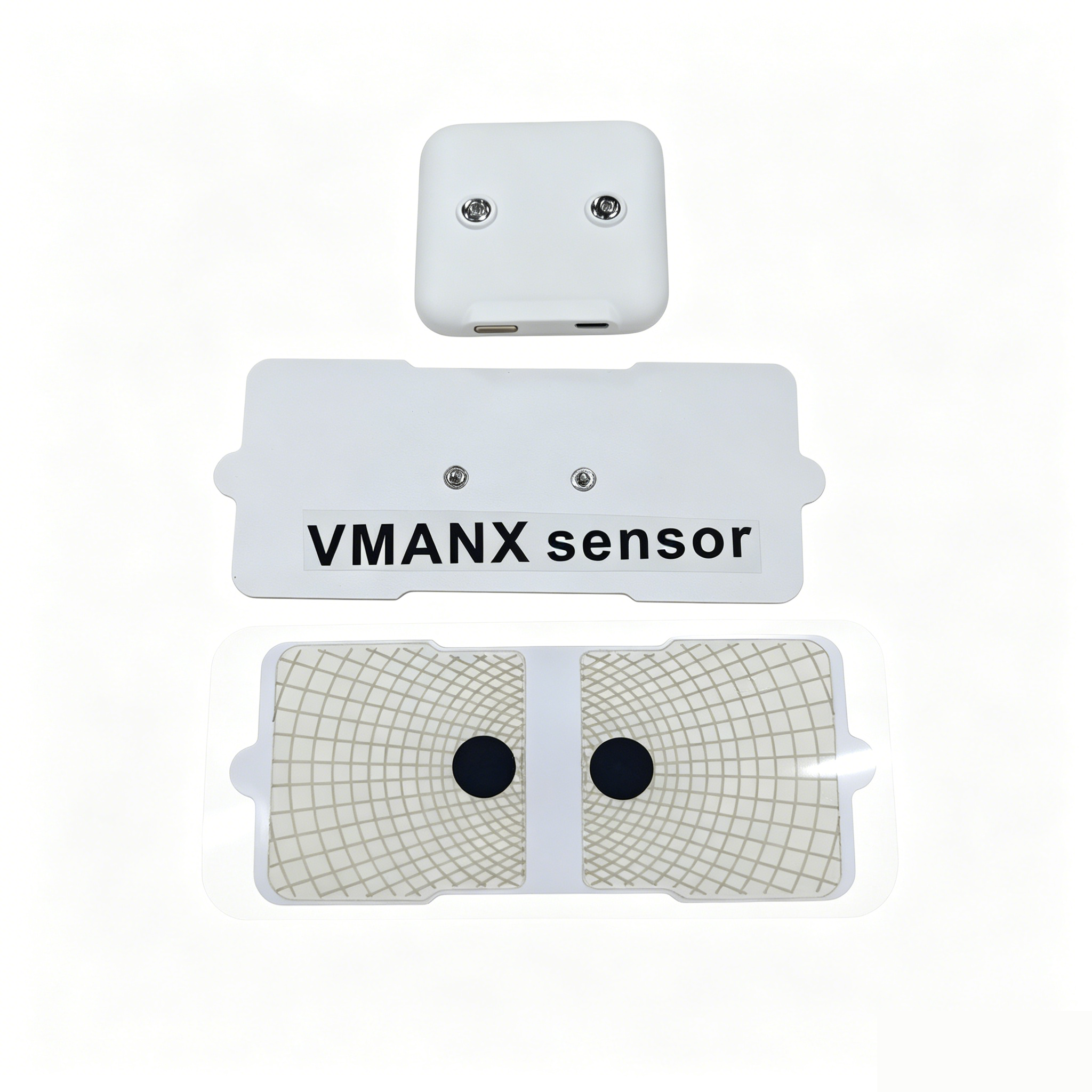
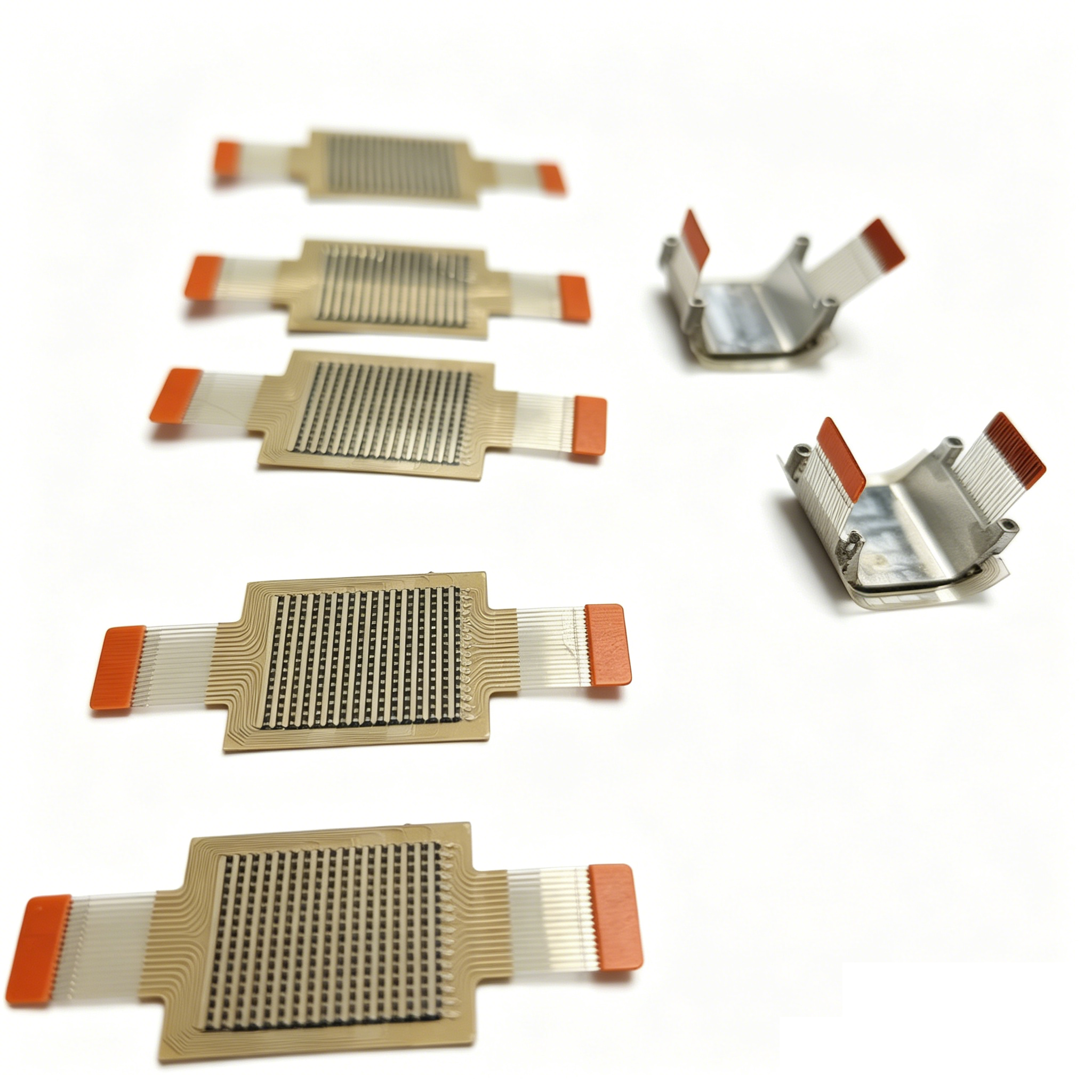
Producing automotive sensors that meet IATF 16949 standards requires consistent quality throughout the manufacturing process. One of the most common quality issues is inconsistent sensor performance. When sensors do not perform uniformly, they can affect vehicle safety, engine performance, and electronic systems. These inconsistencies often result from poor raw materials, manufacturing variations, or inadequate process control. EMG throat reactive electrode sensor

Calibration errors are another significant challenge. Sensors must be accurately calibrated before leaving the production line. Incorrect calibration can generate inaccurate readings that negatively impact vehicle performance. For example, faulty temperature or pressure sensors may cause engines to operate inefficiently or trigger unnecessary warning systems. 

Contamination during manufacturing is another major concern. Dust, moisture, or foreign particles entering sensitive sensor components can reduce reliability and shorten product lifespan. Maintaining clean production environments and following strict contamination control procedures are essential for preventing these issues. 

Poor documentation and insufficient communication between departments can also create quality problems. Without complete production records, manufacturers may struggle to identify the root cause of defects or trace affected batches.  Comprehensive documentation, employee training, and standardized operating procedures help companies like Zhongman maintain consistent product quality while meeting IATF 16949 requirements. 

How to Meet IATF 16949 Requirements for High-Quality Sensor Manufacturing

Meeting IATF 16949 requirements begins with establishing a strong quality management system that covers every stage of sensor production. Employees must receive regular training to understand quality standards, manufacturing procedures,  and customer expectations. Well-trained teams help reduce production errors and improve overall consistency. 

Incoming raw materials should undergo thorough inspection before entering production. Identifying defective materials early prevents quality issues from affecting finished products. Throughout manufacturing, automated inspection systems and advanced testing equipment can continuously monitor sensor performance and detect defects before shipment. 

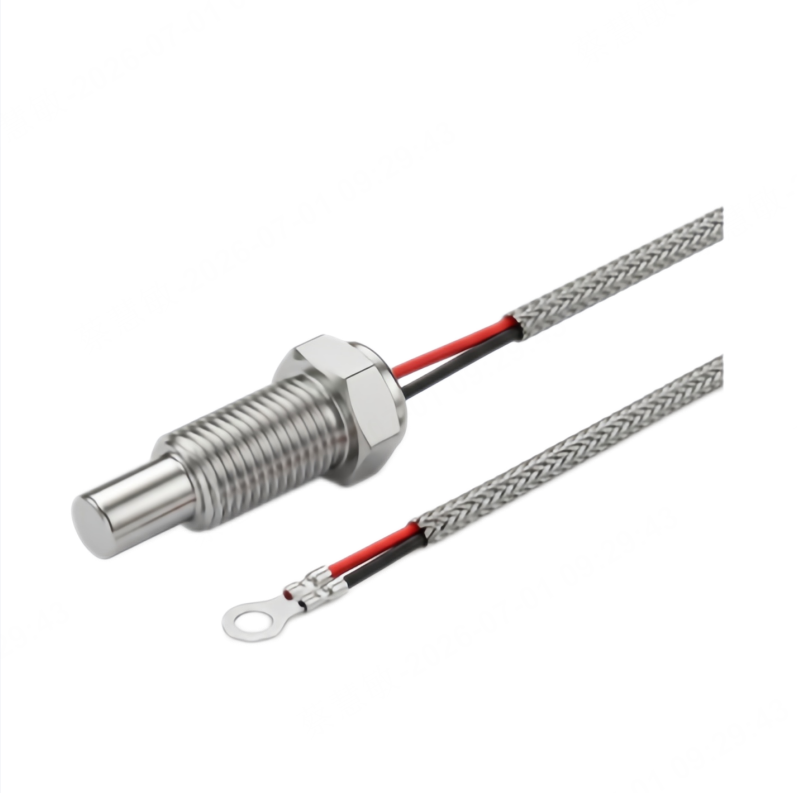
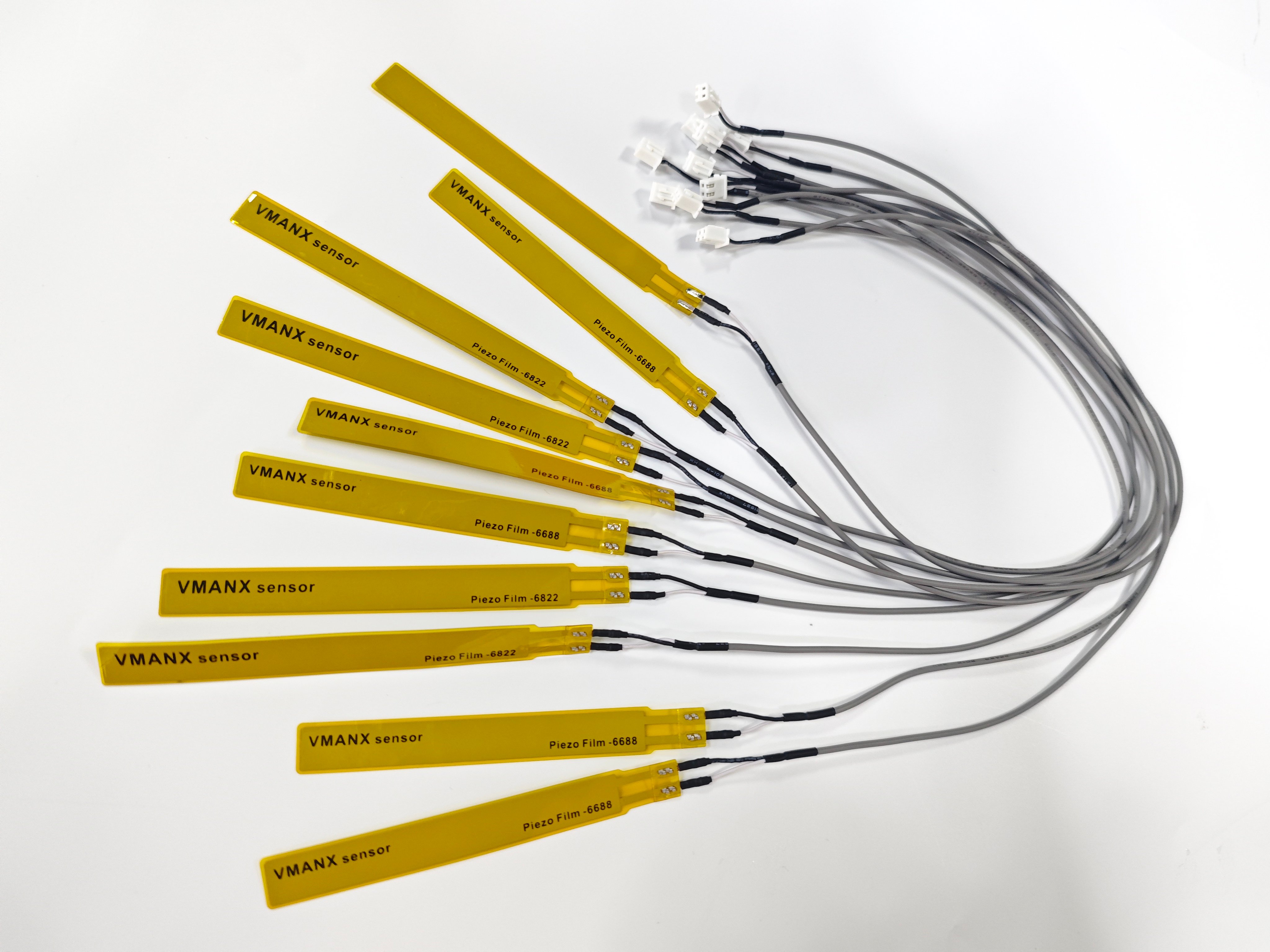
Regular internal audits are another important part of maintaining compliance. Audits allow manufacturers to identify weaknesses, implement corrective actions, and continuously improve production processes. Customer feedback also provides valuable information about sensor performance in real-world automotive applications, allowing companies to refine designs and manufacturing methods. SBR/ODS sensor

Continuous improvement remains a core principle of IATF 16949. Zhongman focuses on upgrading equipment, improving manufacturing technologies, and optimizing production processes to consistently deliver reliable automotive sensors that meet OEM quality expectations. 

Industry Trends Driving IATF 16949 Compliance in Automotive Sensor Manufacturing

Several industry trends continue to increase the importance of IATF 16949 compliance. Modern vehicles rely heavily on advanced electronic systems, including driver assistance technologies, autonomous functions, and intelligent safety features. These systems depend on highly accurate sensors that must operate reliably under all driving conditions. 

The rapid growth of electric vehicles has also increased demand for specialized automotive sensors. Battery management systems, thermal monitoring, charging systems, and energy management all require precision sensors manufactured to strict quality standards. Suppliers like Zhongman must continue developing advanced sensor technologies while maintaining full compliance with IATF 16949. 

Sustainability has become another major focus across the automotive industry. Vehicle manufacturers increasingly expect suppliers to reduce waste, improve manufacturing efficiency, and adopt environmentally responsible production methods.  Companies that combine quality management with sustainable manufacturing practices strengthen their competitive position within the global automotive supply chain. 

Digital manufacturing technologies are also transforming sensor production. Automation, real-time quality monitoring, data analytics, and intelligent inspection systems improve manufacturing accuracy while reducing defects. These technologies help suppliers consistently meet the demanding quality requirements established by global automotive manufacturers. 

How to Source High-Quality IATF 16949 Automotive Sensors and Overcome Manufacturing Challenges

Selecting a reliable sensor supplier is essential for automotive manufacturers seeking dependable, high-performance components. Buyers should evaluate suppliers based on their manufacturing experience, quality certifications, production capabilities, and track record within the automotive industry. Zhongman has extensive experience producing automotive sensors that comply with IATF 16949 quality standards and meet the requirements of OEMs and Tier 1 suppliers. 

High-quality sensor manufacturing depends on premium raw materials, advanced testing equipment, and comprehensive quality control throughout production. Manufacturers should verify that suppliers conduct rigorous inspections,  environmental testing, functional validation, and traceability management before products are delivered. 

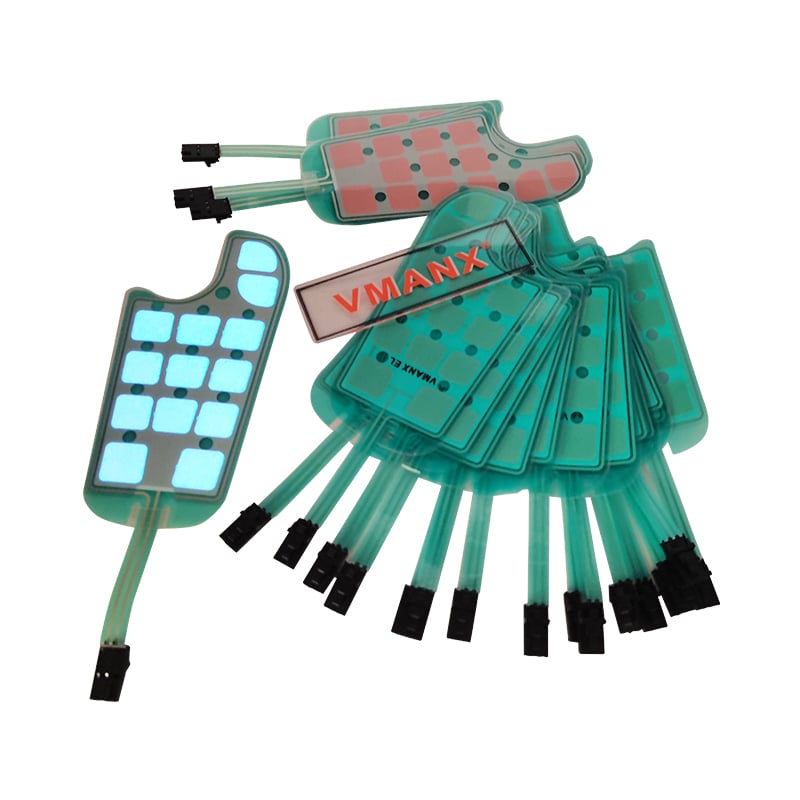
Maintaining consistent quality also requires effective communication between suppliers and automotive manufacturers.  Regular technical discussions, production updates, and collaborative problem-solving help prevent misunderstandings and improve product development. Strong supplier relationships support faster issue resolution and better long-term performance. Medical device membrane switches

Supply chain stability remains another critical factor. Working with multiple qualified material suppliers and maintaining effective inventory planning helps reduce production disruptions caused by material shortages. By combining strong quality management, continuous employee training, reliable sourcing strategies, and advanced manufacturing technology,  Zhongman successfully addresses common production challenges while delivering automotive sensors that consistently meet IATF 16949 standards.