EN
EN
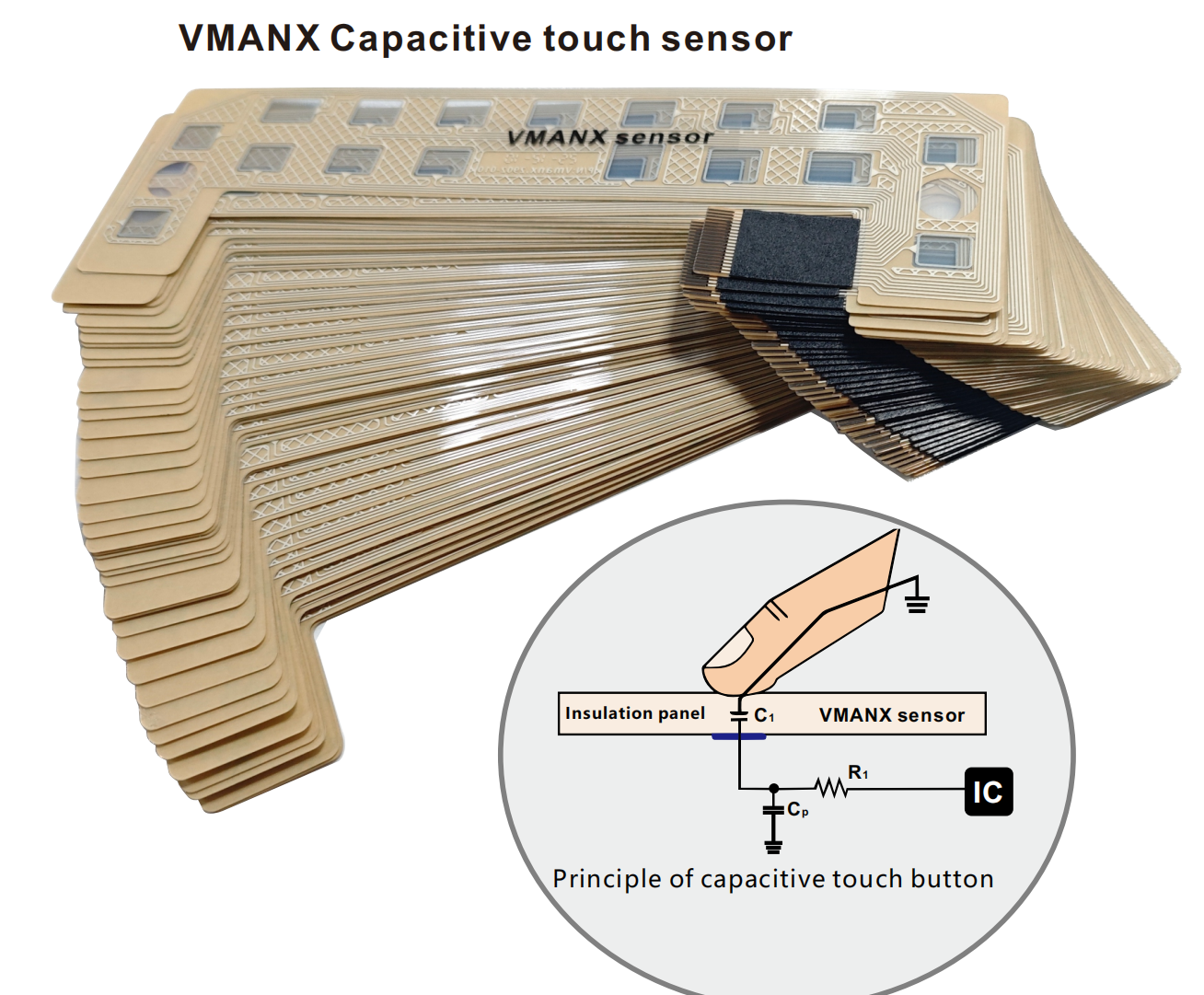
Capacitive occupancy sensors are smart devices that can tell if a room or space is occupied or empty. They work by using electrical fields to detect people nearby. When someone enters a room, the sensor notices the change in the electrical field and can trigger actions like turning on lights or adjusting the temperature. These sensors are becoming popular in smart buildings, which aim to be more efficient and comfortable. Companies like Zhongman make these sensors to help manage energy use and improve the overall experience for anyone using the space.
Using capacitive occupancy sensors in smart buildings brings many great benefits. First, they help save energy. When no one is in a room, the sensors can turn off lights or reduce heating and cooling. This saves money on energy bills and is good for the environment. Second, these sensors are very sensitive and can detect even small movements. This means they can be used in different places, from big office buildings to small homes. Third, they are easy to install and don’t need too much maintenance. Once set up, they can work for a long time without problems. Zhongman’s sensors are designed to be user-friendly, making them a good choice for anyone looking to upgrade their building. For instance, the Pocket NMES Neuromuscular Muscle Stimulator can work seamlessly with these sensors to enhance user experience.