Glavna stranica- Što?Rješenja
Kontrola dubine anestezije je ključna sigurnosna linija u operaciji. Klinička istraživanja pokazuju da bi spektralni indeks (BIS) može smanjiti učestalost intraoperativne svijesti od 0,1% do 0,2% za otprilike 80%, što ga čini široko prihvaćenim lijekom za liječenje.
Kontrola dubine anestezije je ključna sigurnosna linija u operaciji. Kliničke studije pokazuju da bi spektralni indeks (BIS) može smanjiti učestalost intraoperativne svijesti od 0, 1% do 0, 2% za otprilike 80%, što ga čini široko priznatim referentnim standardom za praćenje dubine anestezije. Sve ovisi o jednoj stvari: jednom čelu koji mora dostaviti stabilan, kontinuirani EEG signal monitoru. Kad počne treperiti, rizik je stvaran.
Europski proizvođač medicinskih proizvoda (monitoring anestezije) prijavio je povremeni kvar u svom EEG/BIS senzoru: monitor bi mogao prikazati valjanu vrijednost, ali vrijednost bi nestala ubrzo nakon što se pojavi ponavljajući ciklus kroz vrijednost → nestaje → oporavlja → opet nesta
U kontekstu praćenja anestezije, prekid signala je vrlo rizičan događaj. Budući da je senzor isporučio dostavljač postojećeg kupca, kupac je zamolio VMANX da se uključi s neovisnom tehničkom perspektivom kako bi se utvrdio uzrok klasični slučaj problem s strane dobavljača, dijagnoza treće strane.
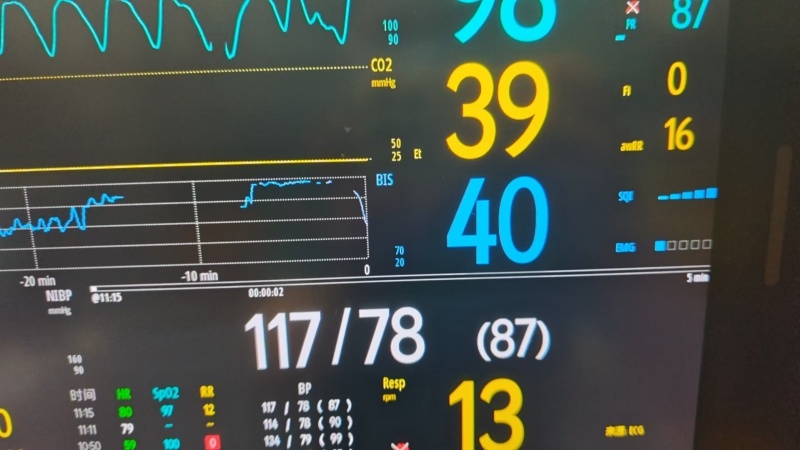
Slika 1: Interfejs za nadzor BIS-a kako ga je prijavio kupac
Samo-provjera (IC dekodiranje, početni impedansni test) prošao, ali vrijednost praćenja uživo nestala to je najkritičnija kontradikcija cijelog slučaja.
U slučaju da je primjena sustava u stanju da se ne može koristiti, to znači da je primjena sustava u stanju da se ne može koristiti. Gubitak vrijednosti obično pokreće monitorov zaštita od vode ili loš kvalitet signala algoritam, ukazujući na dva glavna smjera: fluktuacije dinamičke impedance ili ozbiljan pomak DC-a.
Zaključak: Problem najvjerojatnije leži u nedovoljnoj dinamičkoj stabilnosti sustava materijala elektrode (agkloridni sloj i hidrogel), a ne u početnim defektima montaže.
Na temelju tipične strukture BIS senzora sloj za otkrivanje srebra/srebrnog hlorida (Ag/AgCl) + vodiv sloj hidrogela + poliesterna supstrata hipoteze o neuspjehu usredotočene su na dva područja:
| Hipotesa 1: AgCl sloj je previše tanak ili degradiran | Hipotesa 2: zadržavanje vlage u hidrogelu / adhezija površine |
| Ag/AgCl je polucelinska elektroda koja zahtijeva dovoljno "rezerve" srebrnog hlorida za suprotstavljanje polarizaciji. Male polarne struje iz EEG pribavljanja brzo troše površinsku AgCl, uzrokujući brz DC pomak. "Sredstva za upravljanje" su: | Nakon 1520 minuta nanosa, vlažnost se ispari ili apsorbira PET supstratom, a impedansa se penje s nekoliko kΩ na desetine kΩ, smanjujući vrijednost. Alternativno, gel delaminiranje iz AgCl interfejsa stvara trenutni otvoreni krug u kontaktnoj impedanci tijekom blage pokretanja kože. |
| ⇒ Objašnjava "samo-provjera OK, vrijednost izgubljena u roku od nekoliko minuta" | ⇒ Objašnjava "signal trepće i isključuje" |
Ako se primjenjuje metoda za utvrđivanje vrijednosti, može se utvrditi da je u slučaju pristupačnosti u skladu s člankom 6. stavkom 2. točkom (a) ili (b) ovog članka, primjenjuje se metoda za utvrđivanje vrijednosti.
Kako bi kupac mogao provjeriti hipoteze na licu mjesta bez posebne opreme, inženjerski tim VMANX-a je osmislio praktičan put u četiri koraka:
| Step | Metoda | Osnovne točke i kriteriji za prosuđivanje |
| 01 | Pratnja vremena | U slučaju da se primjenjuje, mora se zabilježiti da je vrijednost nestala. U slučaju da se ne primjenjuje primjena ovog standarda, test se provodi na temelju podataka iz članka 4. stavka 2. |
| 02 | Multimetarska impedantnost | U slučaju da je to potrebno za ispitivanje, mora se utvrditi da je to u skladu s člankom 6. stavkom 2. U slučaju da je gume u stanju da se izluče od vode, gume se mogu koristiti za proizvodnju gume. |
| 03 | Elektrodska dijagnostika | Ako je to moguće, provjerite da li je u skladu s člankom 6. stavkom 2. točkom (a) ili (b) ovog članka. Vrijednost se oporavlja na pritisak → fizički kontakt problem. |
| 04 | Promjena mjesta i priprema kože | Ako se ne primjenjuje, ne smije se koristiti ni jedan od sljedećih postupaka: |
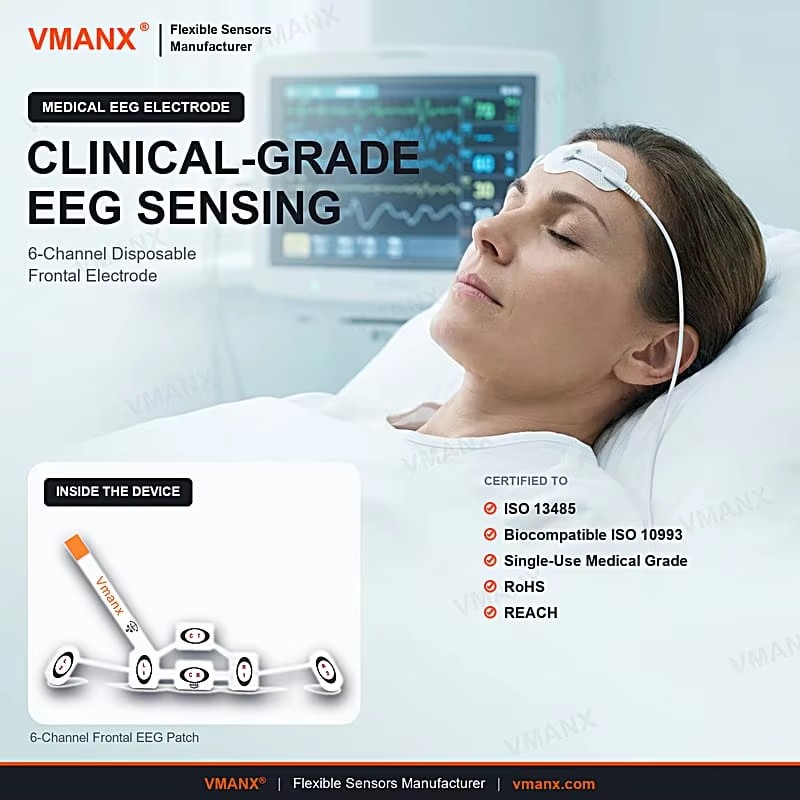
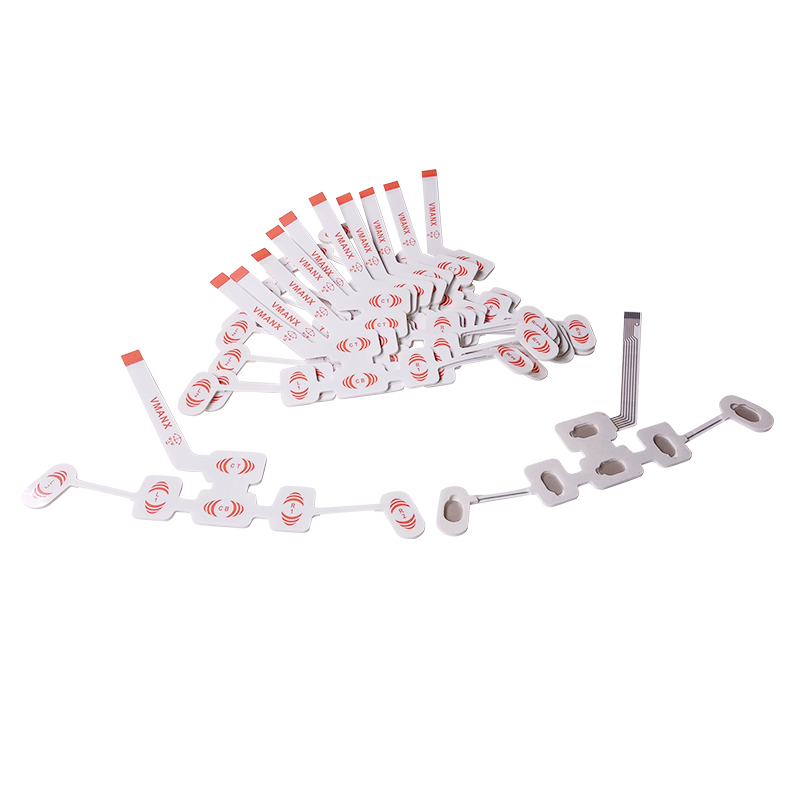
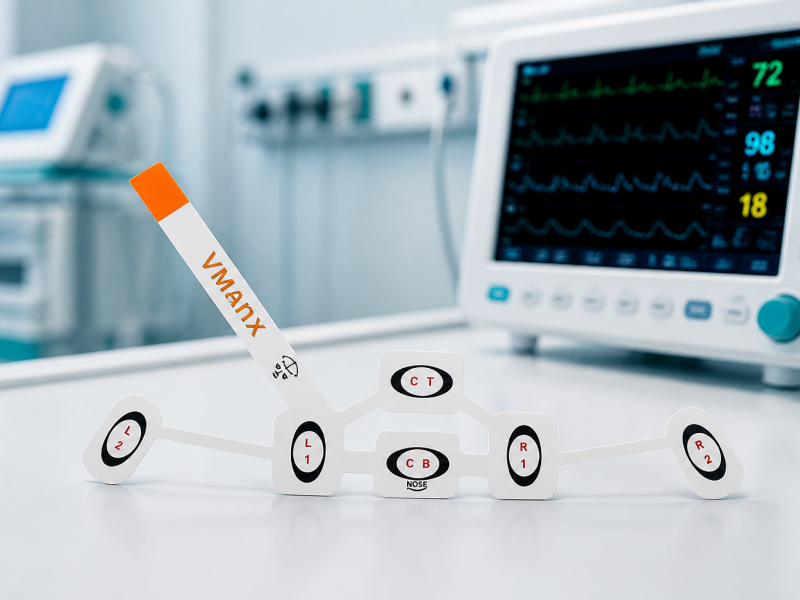
Slika 2: VMANX EEG elektrod kliničke klase 6-kanalni jednokratni frontalni elektrod (ISO 13485 / ISO 10993 / RoHS / REACH)
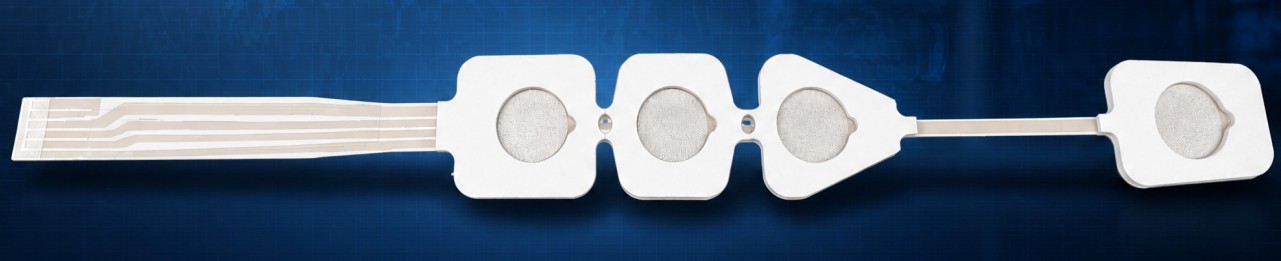
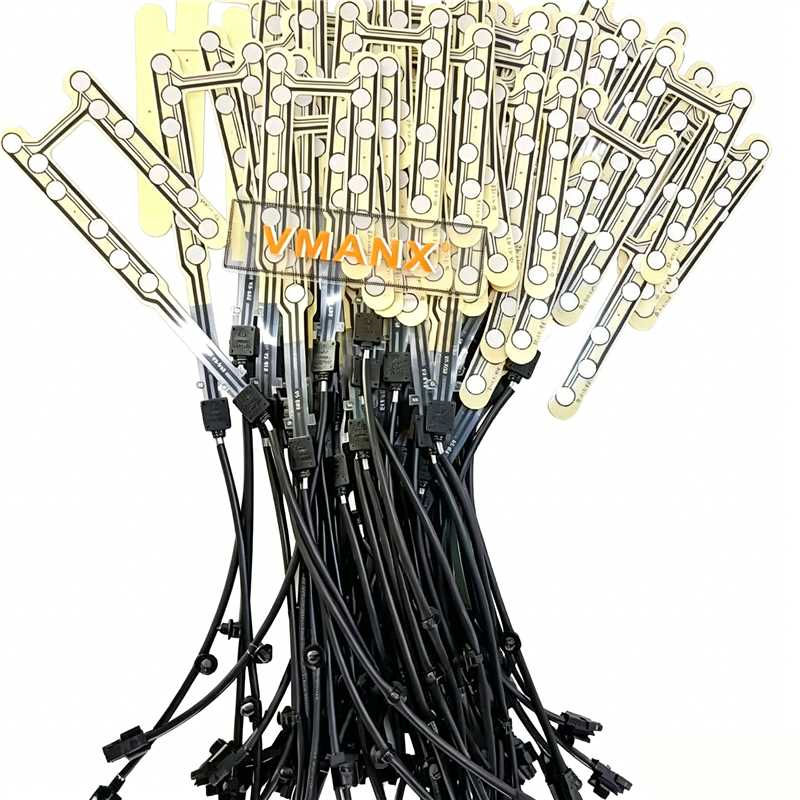
Slika 3: BIS EEG senzor geometrija sloj AgCl i interfejs hidrogela su u fokusu istraživanja
Radom unatrag od mehanizma neuspjeha do kontrole proizvodnje, VMANX je poboljšanja destilirao u tri primjenjiva načela kontrole dobavljača:
1. za U slučaju da se ne primjenjuje primjena ovog standarda, testiranje se može provesti na temelju podataka iz članka 4. stavka 2. Potrebno je testiranje elektrohemijske polarizacije simuliranje ljudskih mikro struja nekoliko sati i praćenje stabilnosti pomicanja DC-a, umjesto oslanjanja samo na uzorkovanje statičke impedance.
2. - Što? Hidrogel ne smije samo provoditi, već i usidriti. Gel treba izvrsno sidrenje na površinu AgCl, uz otpornost na znoj i performanse protiv sušenja; međuzrastopna obrada (npr. primer/plazma) ključni je postupak za suzbijanje mjehurića i delaminacije.
3. Slijedi sljedeće: Obilježavanje pakiranja određuje životni vijek proizvoda. Kad se senzor otvori i izloži zraku, hidrogel vlažnost počinje isparavati; vrećice od aluminijumske folije visoke barijere + sušivač + oznaka s otvorenim datumom trajanja su osnovni zahtjevi za medicinske potrošne proizvode.
Industrijski podaci pokazuju da visokokvalitetne hidrogel elektrode postižu impedansu od 35kΩ na nepredpremljenoj koži, dok se konvencionalne elektrode obično kreću između 1020kΩ praznina u materijalnom sustavu izravno određuje stabilnost kliničkog signala.
Kao profesionalni proizvođač fleksibilnih senzora i HMI komponenti (oblike proizvoda: F1 Medical & Healthcare MED / F4 Industrial Systems IND), inženjerski tim VMANX-a pretvara svoje duboko razumijevanje materijalnih sustava, procesa tiskanja i mehanizama kvarova u sposobnost analize kvarova treće strane.
U ovom zadatku, VMANX je isporučio cjeloviti dijagnostički lanac iz neovisne tehničke perspektive temeljna analiza kontradikcija → hipoteze o izvornim uzrocima → otklanjanje problema na licu mjesta → preporuke za poboljšanje pretvaranje nejasnog proizvoda
Za proizvođače medicinskih uređaja, imati inženjerski partnera koji razumije materijale, procese i mehanizme kvarova je kao dodati "tehničko osiguranje" svom lancu opskrbe. To je vrijednost VMANX-a.
Potrebna vam je podrška za analizu kvarova/tehničku dijagnozu?
VMANX inženjerski centar pruža analizu kvarova materijala, dijagnozu problema dobavljača i preporuke za poboljšanje

U skladu s člankom 1. stavkom 1.
 EN
EN