EN
EN

এসবিআর কার সীট অকুপেন্সি সেন্সর: মূল বৈশিষ্ট্য এবং প্রায়শই জিজ্ঞাসিত প্রশ্নগুলি | ভিম্যানএক্স
ভিম্যানএক্স, যা আইএটিএফ ১৬৯৪৯ সার্টিফাইড উৎপাদনকারী এবং মুদ্রিত ইলেকট্রনিক্স গবেষণা ও উন্নয়নে ১৯ বছরের অভিজ্ঞতা সম্পন্ন, চীনের ডংগুয়ান এবং শেনজেনে অবস্থিত তার উল্লম্ব উৎপাদন সুবিধাগুলি থেকে বিশ্বব্যাপী ওইএম, টিয়ার-১ সরবরাহকারী এবং মোবিলিটি অপারেটরদের জন্য স্বয়ংচালিত গ্রেডের এসবিআর (সেফটি বেল্ট রিমাইন্ডার) সেন্সর এবং কার সীট অকুপেন্সি সেন্সর সমাধান সরবরাহ করে। যখন ইউএনইসিই রেগুলেশন নম্বর ১৬ এবং ইউরো এনক্যাপ নিরাপত্তা রেটিং সীট বেল্ট রিমাইন্ডারকে একটি বাধ্যতামূলক যানবাহন বৈশিষ্ট্যে পরিণত করছে, তখন ভিম্যানএক্স-এর ফোর্স সেন্সিং রেজিস্টর (এফএসআর)-ভিত্তিক অকুপেন্সি সেন্সিং স্বয়ংচালিত প্রকৌশলীদের প্রয়োজনীয় বিশ্বস্ততা প্রদান করে — মাত্র দুই দিনে কাস্টম ডিজাইন প্রস্তাব, ৩–৫ দিনে প্রোটোটাইপ এবং ৭–১০ দিনে বৃহৎ পরিমাণে উৎপাদন। 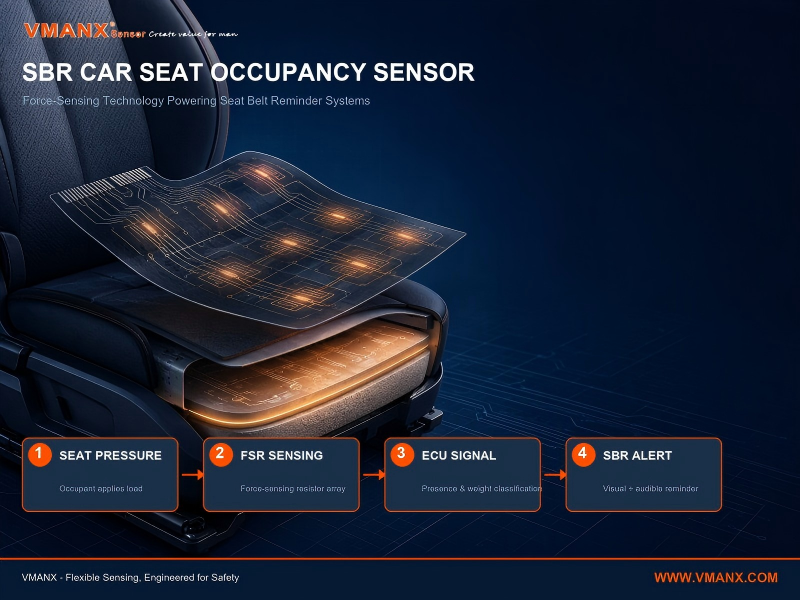
প্রধান বৈশিষ্ট্য এবং উপকারিতা
সুরক্ষা-সংক্রান্ত গুরুত্বপূর্ণ স্বয়োচ্ছস প্রয়োগের জন্য বিশেষভাবে তৈরি করা VMANX SBR/ODS সেন্সরটি প্রমাণিত মুদ্রিত সেন্সিং প্রযুক্তি এবং স্বয়োচ্ছস-মানের গুণগত সিস্টেমকে একত্রিত করে।
FSR প্রযুক্তির মাধ্যমে নির্ভরযোগ্য আসনগ্রহীতা সনাক্তকরণ
সেন্সরটির বল সনাক্তকারী রেজিস্টর (FSR) প্রযুক্তি এর উপাদানটি আসনের কাঠামোর নীচে অবস্থিত এবং চাপকে রেজিস্ট্যান্স সংকেতে রূপান্তর করে, যার ফলে যানবাহনের ECU আসনগ্রহীতার উপস্থিতি সনাক্ত করতে পারে এবং ওজনের প্রোফাইল অনুযায়ী আসনগ্রহীতাদের শ্রেণিবদ্ধ করতে পারে। গ্রাহকের পরিস্থিতি: যখন একজন যাত্রী বেল্ট লাগানো ছাড়াই আসনে বসেন, তখন সিস্টেমটি UNECE R16 দ্বারা আবশ্যক দু-স্তরের সতর্কতা ক্রম চালু করে — প্রথমে দৃশ্যমান, পরে শ্রবণযোগ্য — যাতে সতর্কতা উভয় ক্ষেত্রেই নিয়ম মেনে চলা হয় এবং কার্যকর থাকে।
বৈশ্বিক নিরাপত্তা মান মেনে চলার জন্য তৈরি
বিশ্বস্ত আসন অধিগ্রহণ সংবেদনের চাহিদা নিয়মিক প্রয়োজনের কারণে বৃদ্ধি পাচ্ছে। সেপ্টেম্বর ২০১৯ থেকে, ইউরোপীয় ইউনিয়নে বিক্রয়ের জন্য সমস্ত নতুন যানবাহন ধরনের মধ্যে UNECE নিয়ম নম্বর ১৬ অনুযায়ী সীট বেল্ট স্মারক সিস্টেম স্থাপন করা বাধ্যতামূলক। এছাড়াও, Euro NCAP তার নিরাপত্তা সহায়তা প্রোটোকলের অধীনে SBR কার্যকারিতার উপর ভিত্তি করে রেটিং পয়েন্ট প্রদান করে। জানুয়ারি ২০২৫-এ, মার্কিন যুক্তরাষ্ট্রের NHTSA FMVSS ২০৮ সীট বেল্ট স্মারক প্রয়োজনীয়তা শক্তিশালী করার প্রস্তাব দিয়েছে। VMANX এই ধরনের পরিবর্তনশীল প্রয়োজনীয়তা পূরণের জন্য তার সেন্সরগুলি আদি অবস্থায় ডিজাইন করে, যাতে OEM প্রোগ্রামগুলি পুনরায় ডিজাইন করার প্রয়োজন ছাড়াই নিয়ম মেনে চলতে পারে।
IATF ১৬৯৪৯ অনুযায়ী গাড়ি শিল্পের মানের মানদণ্ড
IATF ১৬৯৪৯-প্রমাণিত মান ব্যবস্থার অধীনে উৎপাদিত, যার প্রক্রিয়া ক্ষমতা (CpK) ১.৬৭-এর চেয়ে বেশি এবং উৎপাদন সহনশীলতা ±০.১ মিমি, এই সেন্সরটি কম্পনশীল ও তাপমাত্রা পরিবর্তনশীল গাড়ির ক্যাবিন পরিবেশে দশ বছর ধরে দৈনিক ব্যবহারের জন্য প্রকৌশলভাবে ডিজাইন করা হয়েছে। এই তথ্য-ভিত্তিক বিশ্বস্ততা ঠিক সেই কিছু যা টায়ার-১ গ্রাহকরা কোনো উপাদানকে ভর্তুকি উৎপাদনে প্রবেশ করানোর আগে চান।
দ্রুত কাস্টমাইজেশন এবং সময়মতো ডেলিভারি
১৯ বছরের বেশি সময় ধরে মুদ্রিত ইলেকট্রনিক্সের বিশেষজ্ঞতা, ২৫টি জাতীয় পেটেন্ট এবং দংগুয়ান ও শেনজেনে উল্লম্ব উৎপাদন সুবিধা রয়েছে VMANX-এর— যা দুই দিনের মধ্যে কাস্টম ডিজাইন প্রস্তাব প্রদান করে, ৩–৫ দিনের মধ্যে প্রোটোটাইপ তৈরি করে এবং ৭–১০ দিনের মধ্যে বৃহৎ পরিমাণে চালান সম্পন্ন করে— যা বৈশ্বিক OEM প্রোগ্রামগুলির জন্য অপরিহার্য দ্রুত প্রতিক্রিয়াশীলতা।
প্রযুক্তিগত বিবরণ
|
প্যারামিটার |
VMANX SBR/ODS সেন্সর |
|
ঔৎসাহিত প্রযুক্তি |
ফোর্স সেন্সিং রেজিস্টর (FSR), মুদ্রিত ইলেকট্রনিক্স |
|
সেন্সিং ফাংশন |
আসীন ব্যক্তির উপস্থিতি সনাক্তকরণ ও শ্রেণীবিভাগ (SBR/ODS) |
|
উৎপাদন সহনশীলতা |
±0.1 মিমি |
|
প্রক্রিয়া ক্ষমতা |
CpK > ১.৬৭ |
|
মান সার্টিফিকেশন |
IATF 16949, ISO 9001 |
|
গবেষণা ও উন্নয়ন অভিজ্ঞতা |
১৯ বছরের বেশি সময়, ২৫টি জাতীয় পেটেন্ট |
|
কাস্টম ডিজাইন প্রস্তাব |
দুই দিনের মধ্যে |
|
প্রোটোটাইপ লিড টাইম |
3-5 দিন |
|
বড় পরিমাণে উৎপাদনের অপেক্ষা সময় |
7-10 দিন |
|
প্রয়োগ |
সিট বেল্ট স্মরণ করানো, এয়ারব্যাগ প্রকাশনার যুক্তি, শিশু উপস্থিতি সনাক্তকরণ, ফ্লিট সিট ব্যবহার |
গ্রাহকদের প্রায়শই জিজ্ঞাসিত প্রশ্নাবলী
প্রশ্ন: একটি এসবিআর সিস্টেমে কার সিট অকুপেন্সি সেন্সর কীভাবে কাজ করে?
উত্তর: এফএসআর সেন্সিং এলিমেন্টটি সিট কাশনে আসীন ব্যক্তির চাপ সনাক্ত করে এবং তা বৈদ্যুতিক রেজিস্ট্যান্স পরিবর্তনে রূপান্তরিত করে। যানবাহনের ইসিইউ এই সংকেতটি পড়ে এবং সিটটি আসীন কিনা তা নির্ধারণ করে, তারপর সিট বেল্ট স্মরণ করানোর সক্রিয় হওয়া উচিত কিনা তা সিদ্ধান্ত নেয়।
প্রশ্ন: এসবিআর সেন্সরটি বিদ্যমান সিট স্ট্রাকচার এবং যানবাহন ইসিইউ-এর সাথে একীভূত হতে পারে?
উত্তর: হ্যাঁ। সেন্সরটি একটি পাতলা, নমনীয় মুদ্রিত উপাদান যা স্ট্যান্ডার্ড সিট ফোমের নীচে সুগঠিতভাবে ফিট হয়, এবং এর আউটপুটটি সাধারণ অটোমোটিভ ইসিইউ আর্কিটেকচারের সাথে সহজে একীভূত হওয়ার জন্য ডিজাইন করা হয়েছে। ভিম্যানএক্স বিশেষ সিট প্ল্যাটফর্মের জন্য কাস্টম লেআউট সমর্থন করে।
প্রশ্ন: কার সিট অকুপেন্সি সেন্সরটি অটোমোটিভ অ্যাপ্লিকেশনের জন্য সার্টিফাইড?
এ: ভিম্যানএক্স আইএটিএফ ১৬৯৪৯ এবং আইএসও ৯০০১ শংসাপত্রপ্রাপ্ত মান ব্যবস্থায় উৎপাদন করে — যা গাড়ি শিল্পের মানদণ্ড — এবং গাড়ি ও চিকিৎসা ক্ষেত্রের গ্রাহকদের জন্য মুদ্রিত ইলেকট্রনিক্স উৎপাদনে ১৯+ বছরের অভিজ্ঞতা রয়েছে।
প্রশ্ন: ওইএম সিট সেন্সর প্রকল্পের সাধারণ লিড টাইম কত?
উত্তর: কাস্টম ডিজাইন প্রস্তাব দুই দিনের মধ্যে পাঠানো হয়; প্রোটোটাইপ ৩–৫ দিনের মধ্যে; এবং ডিজাইন অনুমোদনের পরে ৭–১০ দিনের মধ্যে বৃহৎ পরিমাণে উৎপাদন ও পাঠানো হয়।
প্রশ্ন: ভিম্যানএক্স কি একটি নির্দিষ্ট সিট প্ল্যাটফর্মের জন্য কাস্টম ওডিএম বিকাশ সমর্থন করে?
উত্তর: হ্যাঁ। ভিম্যানএক্স গঠনমূলক ডিজাইন, সফটওয়্যার এবং সূক্ষ্ম অ্যাসেম্বলি সহ এক-স্টপ ওইএম/ওডিএম বিকাশ সেবা প্রদান করে, যার ফলে সেন্সর লেআউট, আউটপুট ইন্টারফেস এবং প্যাকেজিং গ্রাহকের নির্দিষ্ট সিট প্ল্যাটফর্ম ও ইসিইউ আর্কিটেকচার অনুযায়ী কাস্টমাইজ করা যায়।
সিট বেল্ট রিমাইন্ডারগুলি একটি সর্বজনীন নিরাপত্তা মান হয়ে উঠছে, এবং কার সিট অকুপেন্সি সেন্সর হল সেই প্রযুক্তি যা তাদের কাজ করে। ওইএম এবং টিয়ার-১ সরবরাহকারীদের জন্য যারা অংশীদারদের মূল্যায়ন করছেন, ভিম্যানএক্স ধারণা থেকে ভর্তি উৎপাদন পর্যন্ত প্রমাণিত, সার্টিফাইড এবং স্কেলেবল পথ প্রদান করে। আপনার পরবর্তী প্ল্যাটফর্ম শুরু করতে SBR/ODS সেন্সর পণ্য পৃষ্ঠাটি দেখুন অথবা ভিম্যানএক্স অটোমোটিভ সেন্সিং সমাধানগুলি অন্বেষণ করুন।
ভিম্যানএক্স — নিরাপত্তার জন্য প্রকৌশলী নমনীয় সেন্সিং। | www.vmanx.com
মিডিয়া এবং এসইও পরামর্শ
হিরো ইমেজ: ফাইলনেম: sbr-car-seat-occupancy-sensor-vmanx.jpg | ALT টেক্সট: “SBR কার সিট অকুপেন্সি সেন্সর গাড়ির সিট কাউশনের নীচে ইনস্টল করা হয়েছে — ভিম্যানএক্স”
উৎপাদন ইমেজ: ফাইলনেম: sbr-sensor-iatf-16949-production-line.jpg | ALT টেক্সট: “ভিম্যানএক্স ডংগুয়ান সুবিধায় IATF 16949 সার্টিফাইড SBR সেন্সর উৎপাদন লাইন”
ভিডিও (ইউটিউব): শিরোনাম নিবন্ধের শিরোনামের সমান + “| ভিম্যানএক্স” খোঁজার সামঞ্জস্যতা বজায় রাখতে
প্রকাশনা নোট: সংবাদ হোমপেজে আপডেট করা তারিখটি প্রদর্শন করুন; গুগলকে সাইটের ক্রিয়াকলাপ জানানোর জন্য প্রতি মাসে ২–৪টি নিবন্ধ প্রকাশ করুন।