EN
EN
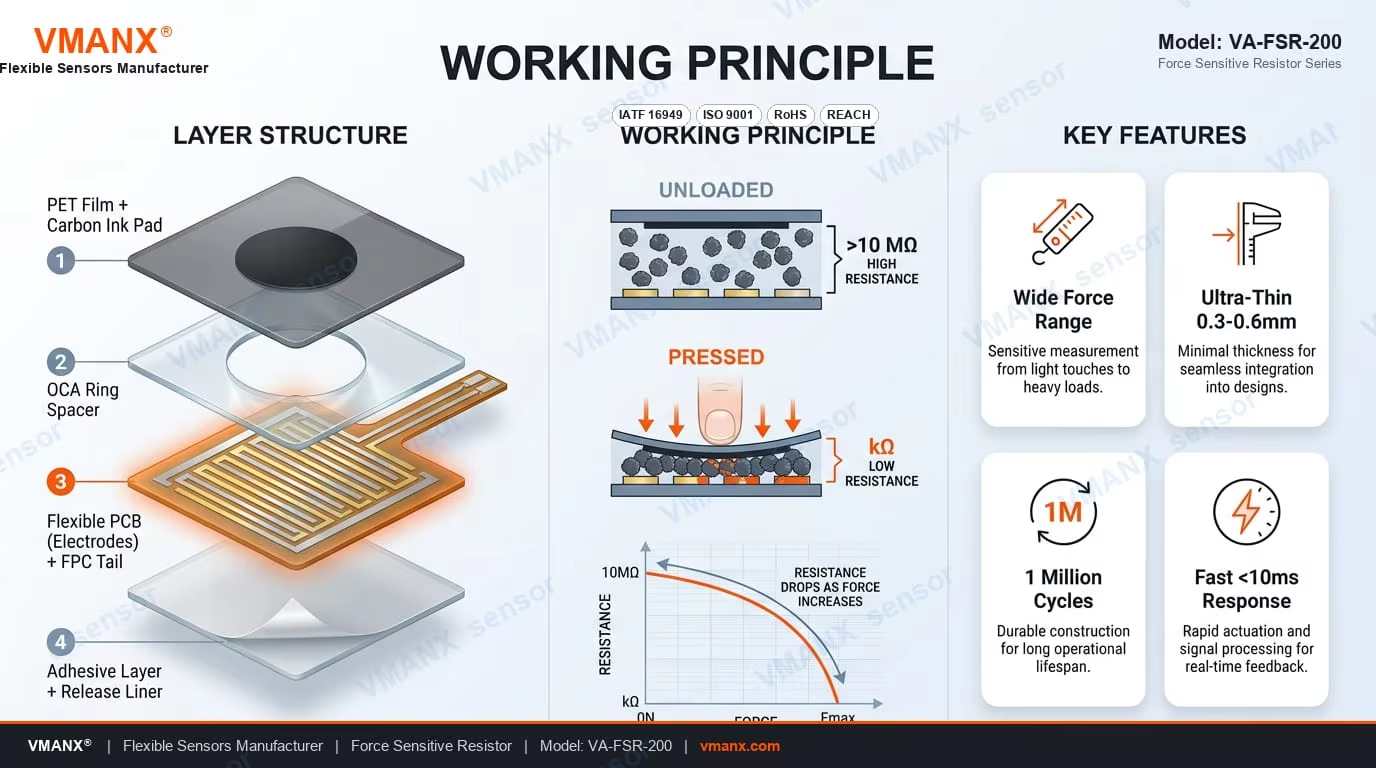
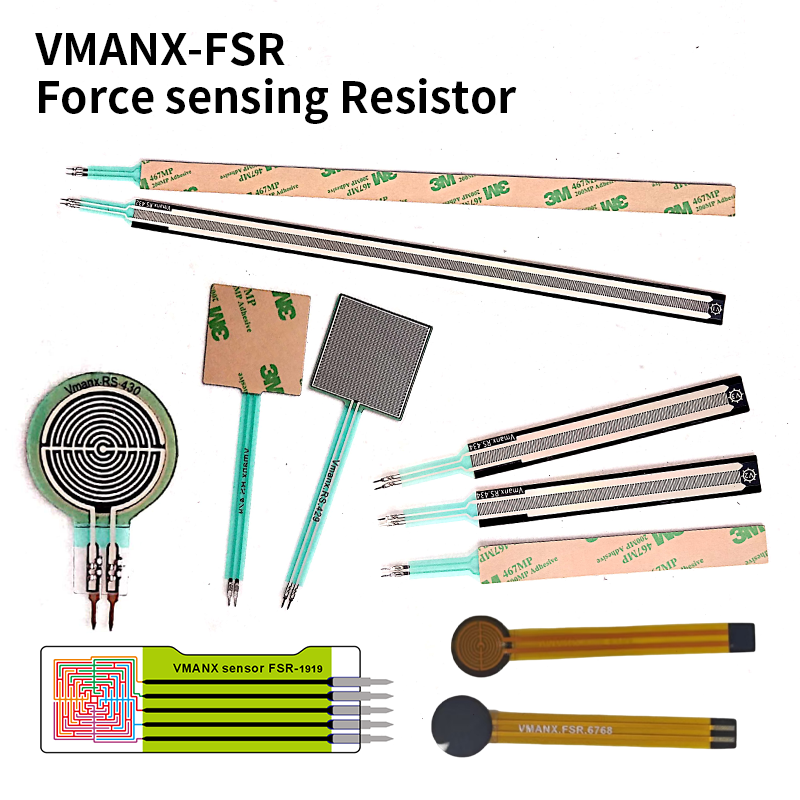
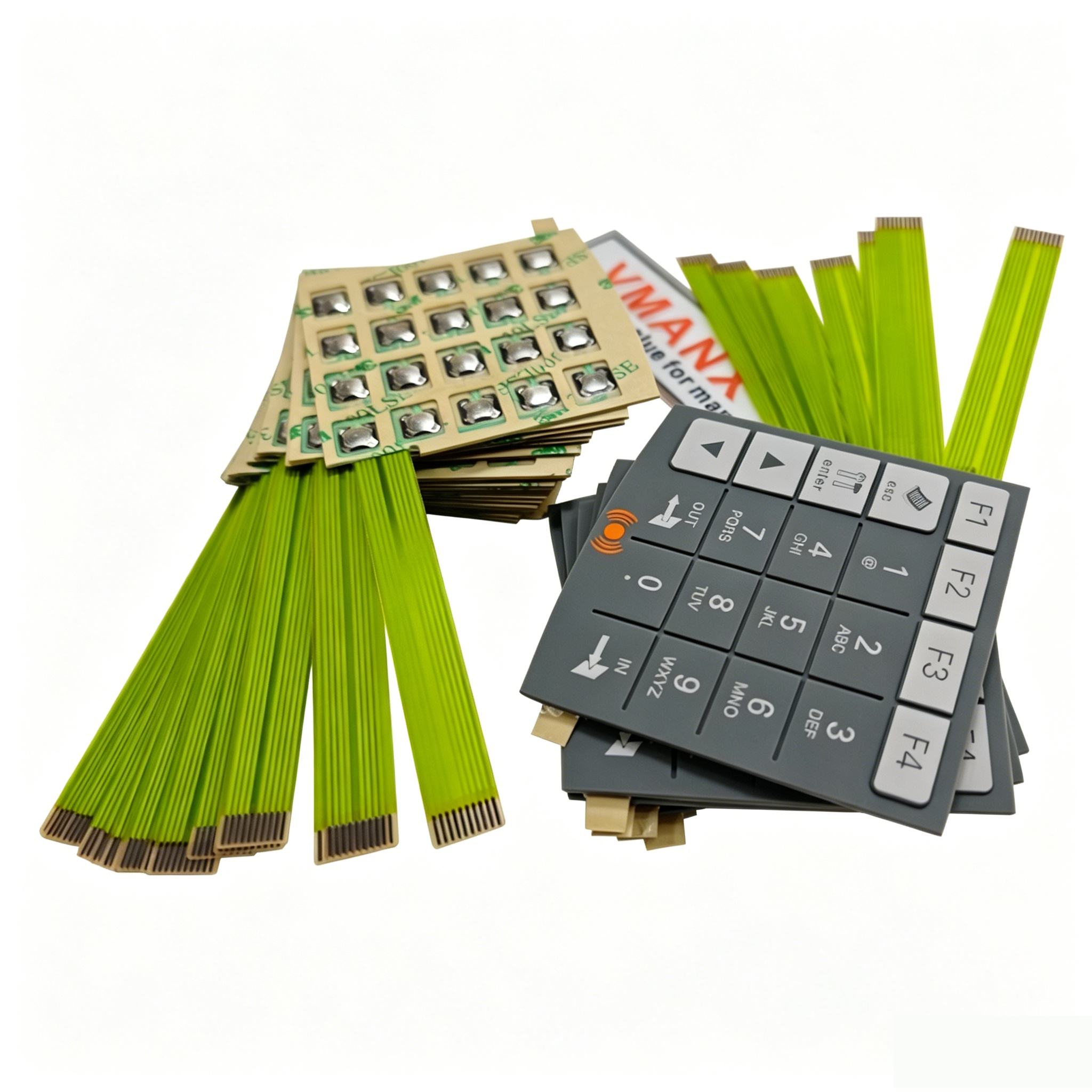
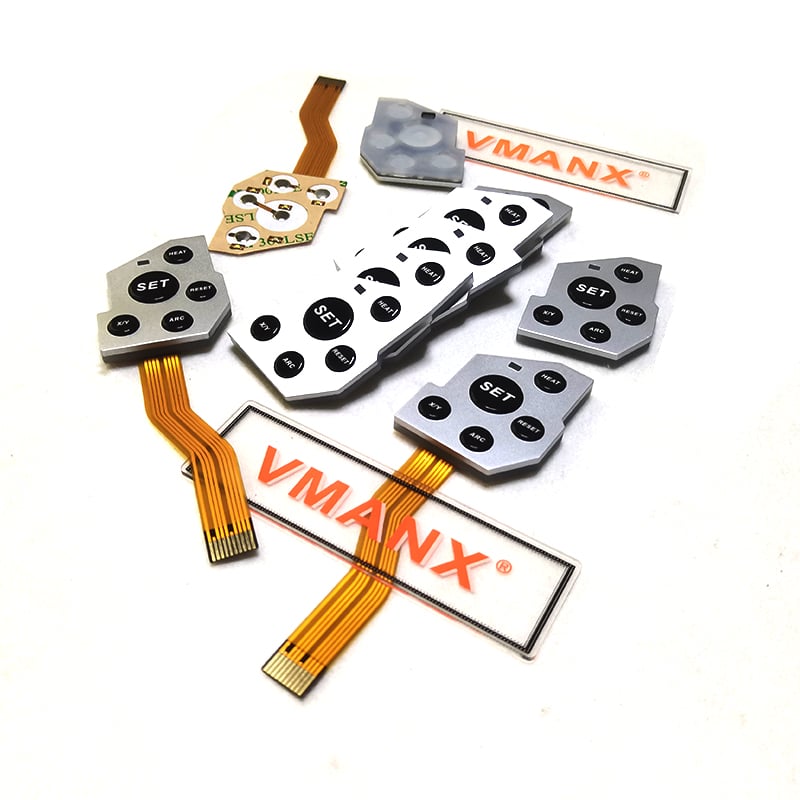
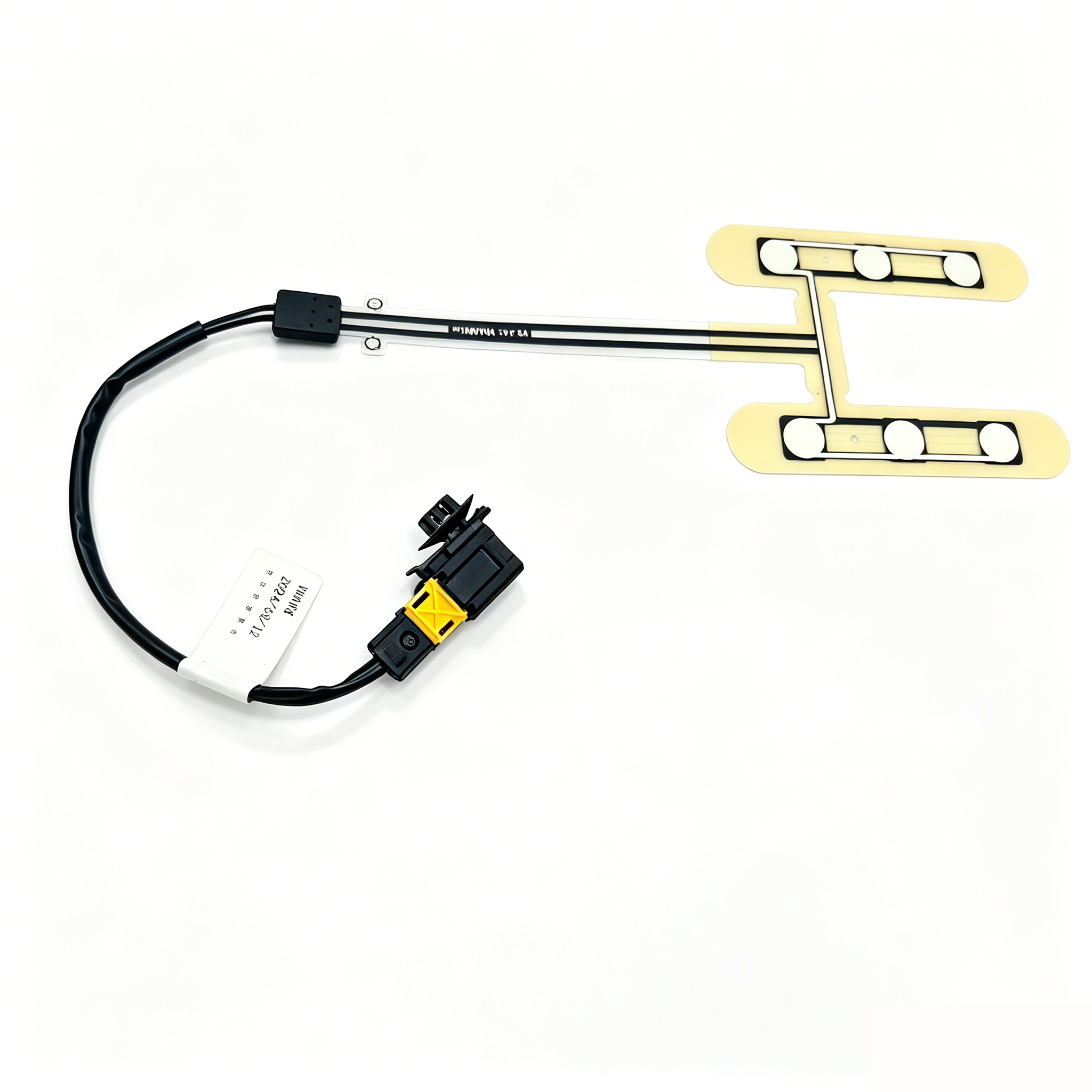
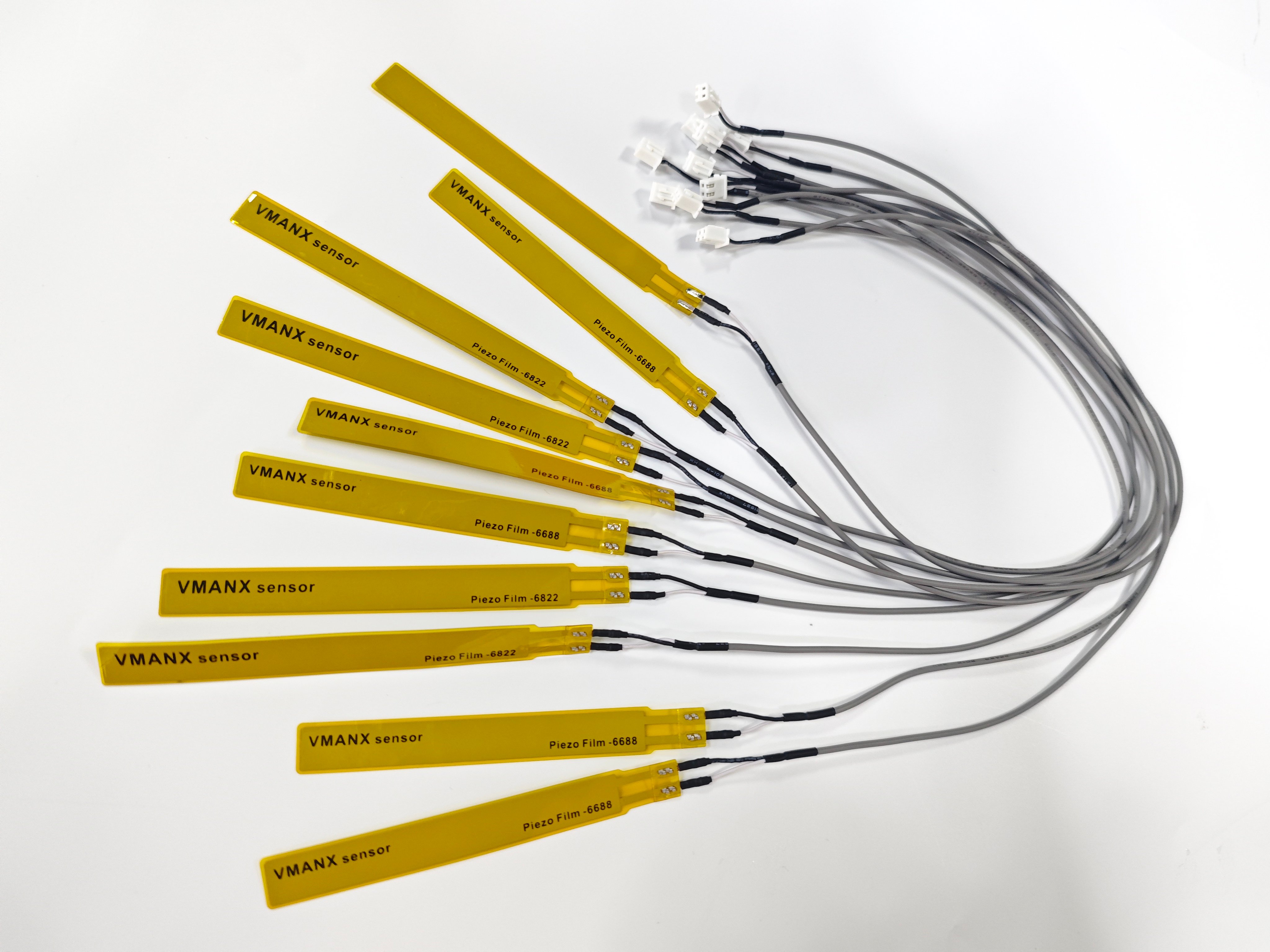
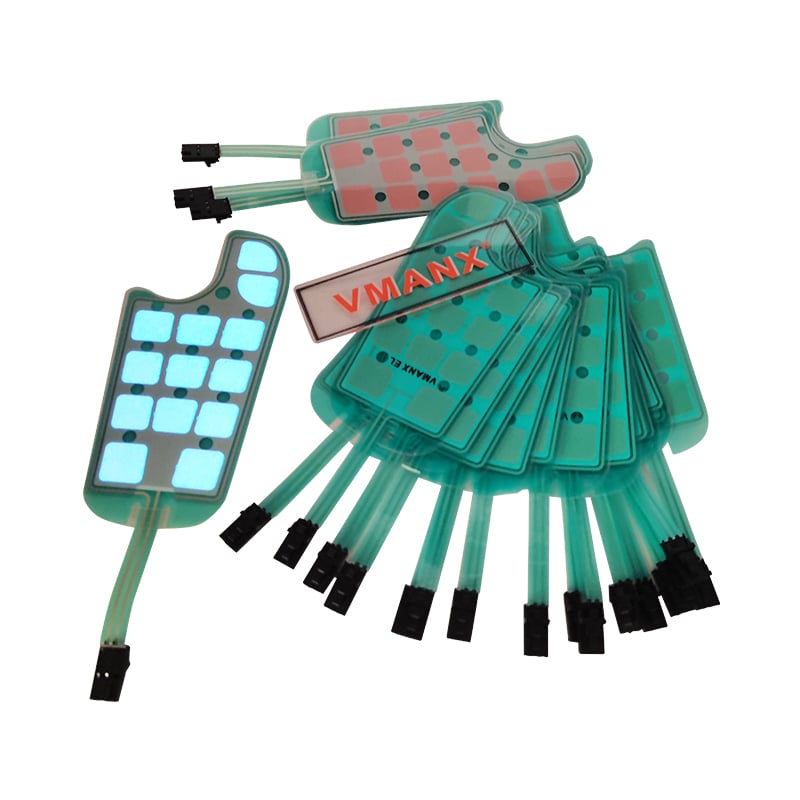
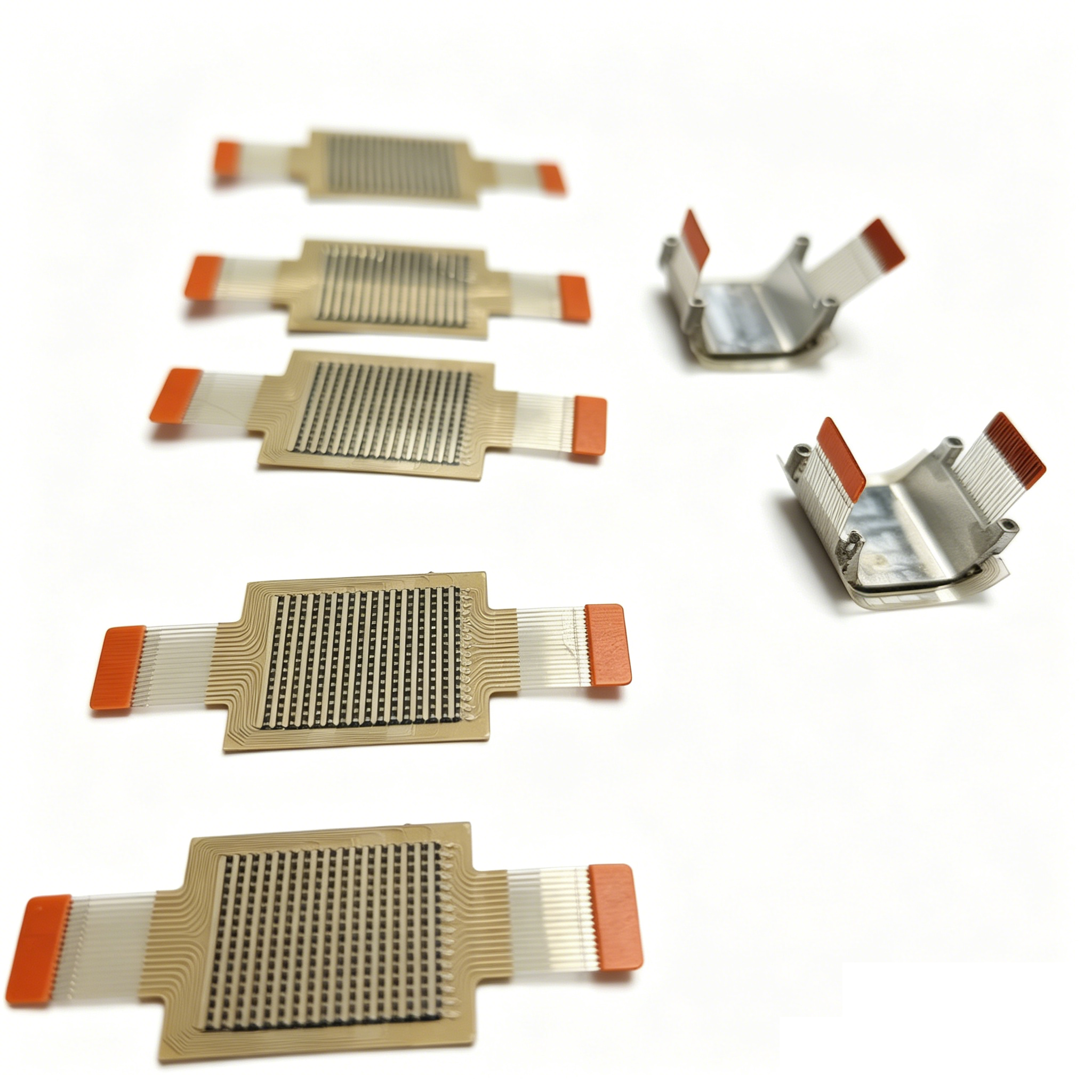
Membrane force sensors are important tools used in many different industries. They help to measure how much force is being applied to a surface. This is useful for various applications, from checking the pressure in machines to ensuring safety in products. Companies like Zhongman create these sensors with high quality, making them reliable for different uses. The sensors are made of a flexible material, which allows them to detect even small changes in force. This flexibility is what makes them stand out compared to other types of sensors. They can be used in many places, including factories, vehicles, and even in medical devices.
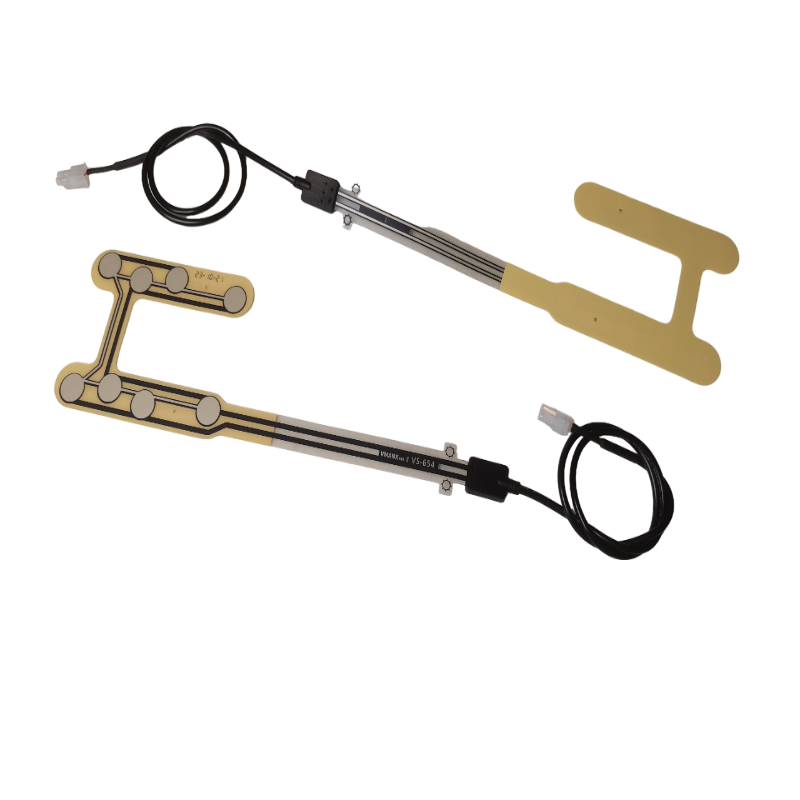
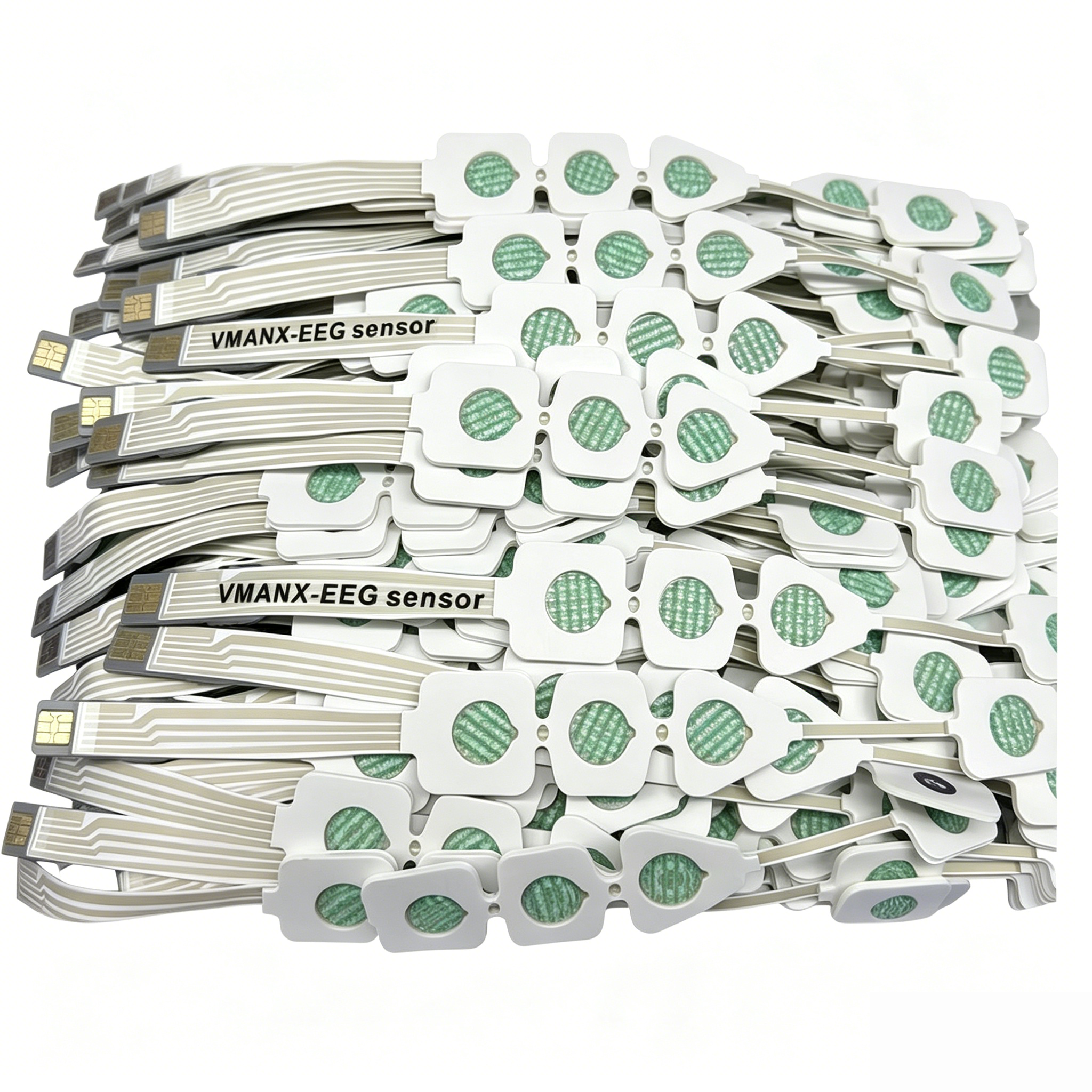
Disposable EEG vs. ECG Electrodes: Key Differences and OEM Selection Guide
When we talk about medical tests, you might hear about EEG and ECG. Both of these tests use electrodes to help doctors check how our bodies are working. The EEG, which stands for electroencephalogram, looks at brain activity. It uses special electrod...
View More