EN
EN
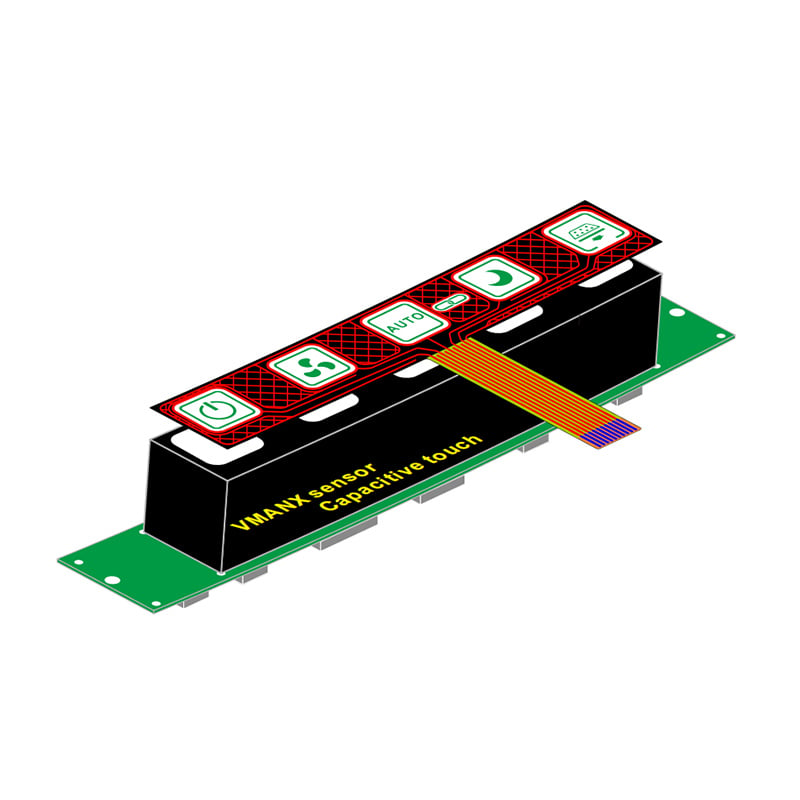
In today’s world, technology is changing fast. One exciting change is the rise of flexible touch sensors. These sensors are special because they can bend and fit into different shapes. This opens up many new possibilities for devices we use every day, like phones and tablets. Imagine a smartphone that can roll up and fit in your pocket! Companies like Zhongman are leading the way in making these sensors. They help create devices that are not only cool but also very useful.
How Flexible Touch Sensors Revolutionize Design in Consumer Electronics
Flexible touch sensors are changing how we think about design in consumer electronics. These sensors can be placed on different surfaces, even ones that are not flat. For example, think about a smartwatch with a curved screen. With traditional sensors, it would be hard to make something that fits well. But with flexible sensors, designers can create watches that wrap around your wrist perfectly. This means that you can have a screen that is very comfortable to wear and easy to use. Another great example is in cars. Imagine a car dashboard that is completely smooth, with no buttons. Using flexible touch sensors, drivers can touch different parts of the dashboard to control music, navigation, and more. This makes the car look modern and sleek. It also makes it easier and safer to drive, as drivers can keep their eyes on the road. Zhongman is working hard to make these kinds of sensors better and more available.
Where to Source High-Quality Flexible Touch Sensors for Your Business
If you are a business looking to use flexible touch sensors, it's important to find the right source. Zhongman is a great option for high-quality sensors. They have experience in making these capacitive remote touch switch that are not only reliable but also very advanced. When choosing a supplier, look for companies that have a strong background in manufacturing and a good reputation. You want to make sure they use quality materials and have strict quality control processes. This helps ensure that the sensors will work well in your products. Also, consider the support they can offer. A good supplier will help you with any questions or problems you might have. They should provide clear information about how to use their sensors effectively. It’s also smart to check if they can customize sensors for your specific needs.
How to Overcome Common Usage Issues with Flexible Touch Sensors
Flexible touch sensors are amazing tools that let us control our devices with just a touch. However, like any technology, they can sometimes have problems. Many people worry about how these sensors work when they are bent or pressed hard. To make sure flexible touch sensors work well, companies like Zhongman are finding ways to solve these issues. One common problem is sensitivity. If a sensor is too sensitive, it might react even when we don’t want it to. On the other hand, if it’s not sensitive enough, it might not respond when we do touch it. To fix this, engineers at Zhongman are working on improving the materials used in the sensors. They are creating special layers that can tell the difference between a light touch and a hard press. This helps make the sensors more accurate.
What Innovations Do Flexible Touch Sensors Bring to Portable Electronics?
Flexible touch sensors are changing the way we use portable electronics. One of the biggest innovations is that they can be used on different surfaces. Unlike traditional touch screens that are assembly of printed circuit boards can be placed on rounded or uneven shapes. This means that devices can be designed in new and exciting ways. For example, imagine a smartphone that can bend around your wrist like a bracelet. With Zhongman’s flexible touch sensors, this idea is becoming a reality. This allows for more creative designs that fit into our lives better.
How Flexible Touch Sensors Enable Unmatched Versatility in Consumer Electronics
Flexible touch sensors provide amazing versatility for consumer electronics. This means they can be used in many different ways and in various products. One of the best things about these printed circuit board production is that they can be placed in unusual locations, not just on screens. For example, they can be added to furniture, like smart tables or chairs, allowing us to control devices just by touching a surface. Zhongman is exploring how to use these sensors in everyday items, making our homes smarter and more connected.
Table of Contents
- How Flexible Touch Sensors Revolutionize Design in Consumer Electronics
- Where to Source High-Quality Flexible Touch Sensors for Your Business
- How to Overcome Common Usage Issues with Flexible Touch Sensors
- What Innovations Do Flexible Touch Sensors Bring to Portable Electronics?
- How Flexible Touch Sensors Enable Unmatched Versatility in Consumer Electronics