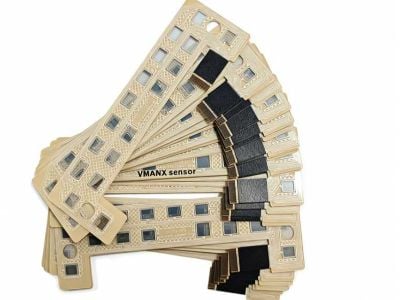
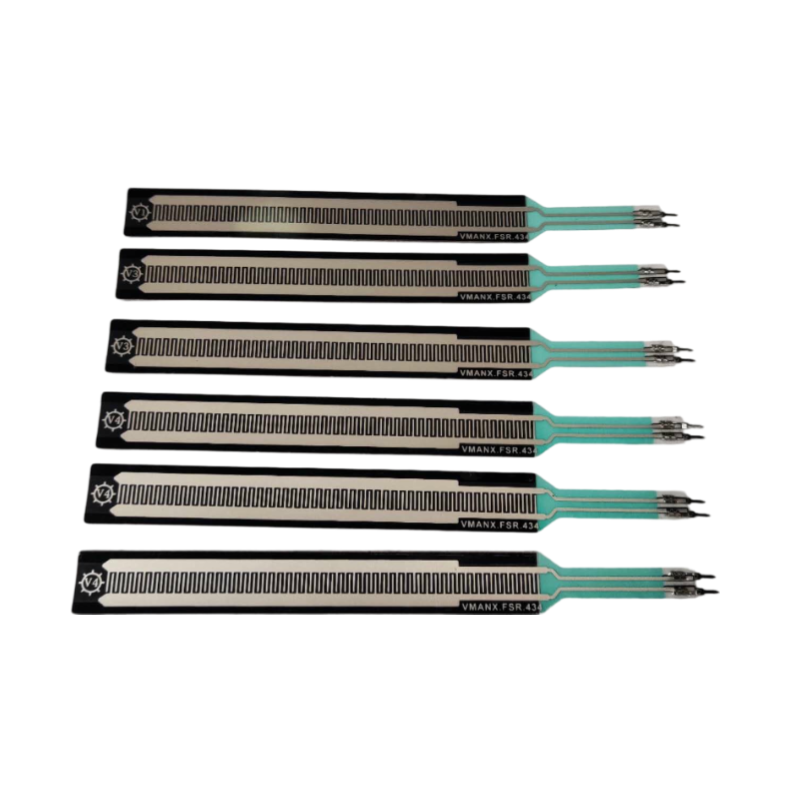
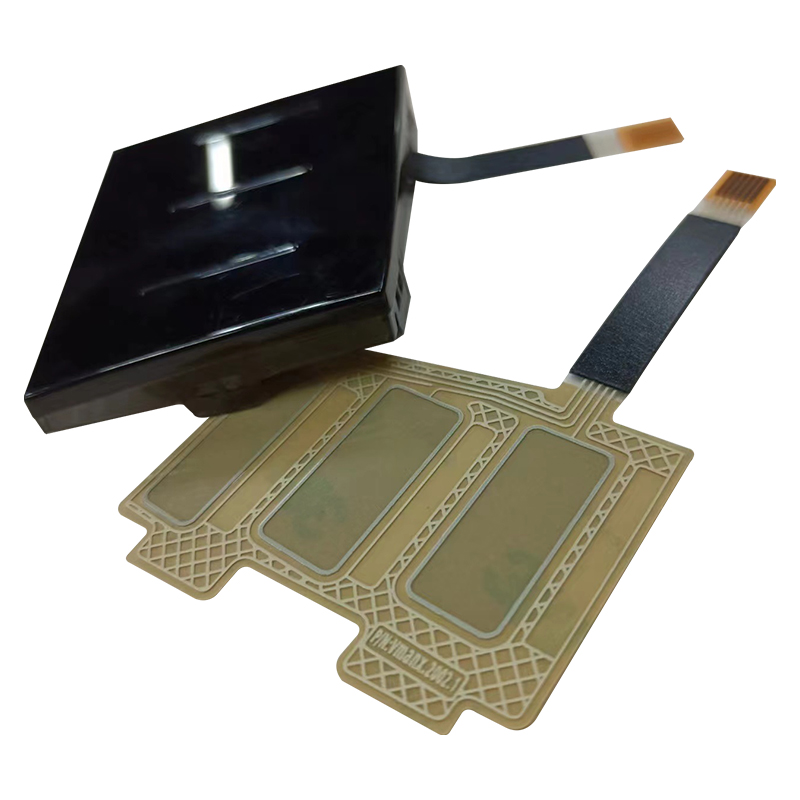
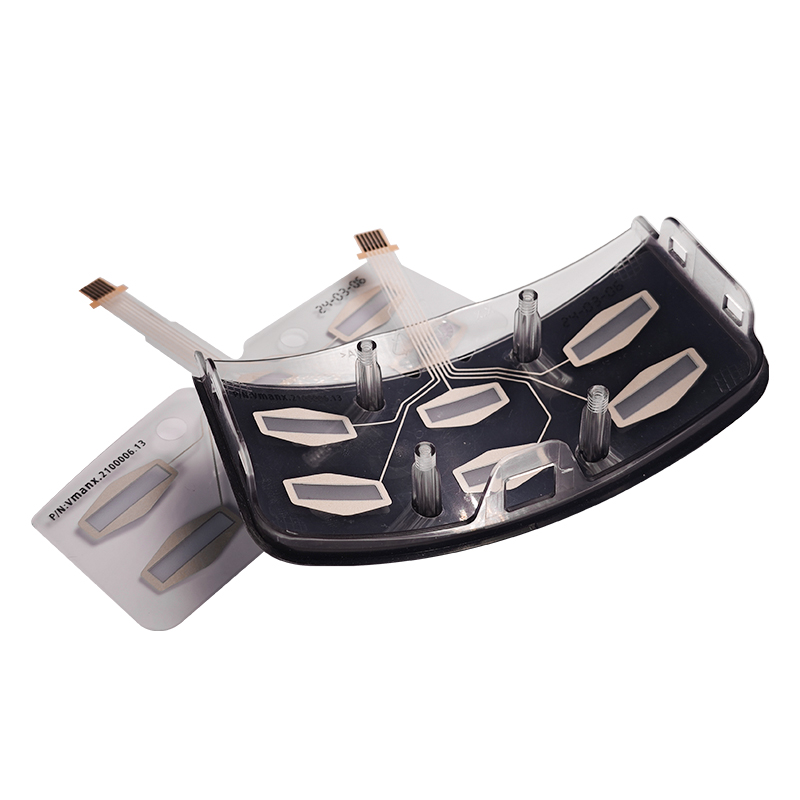
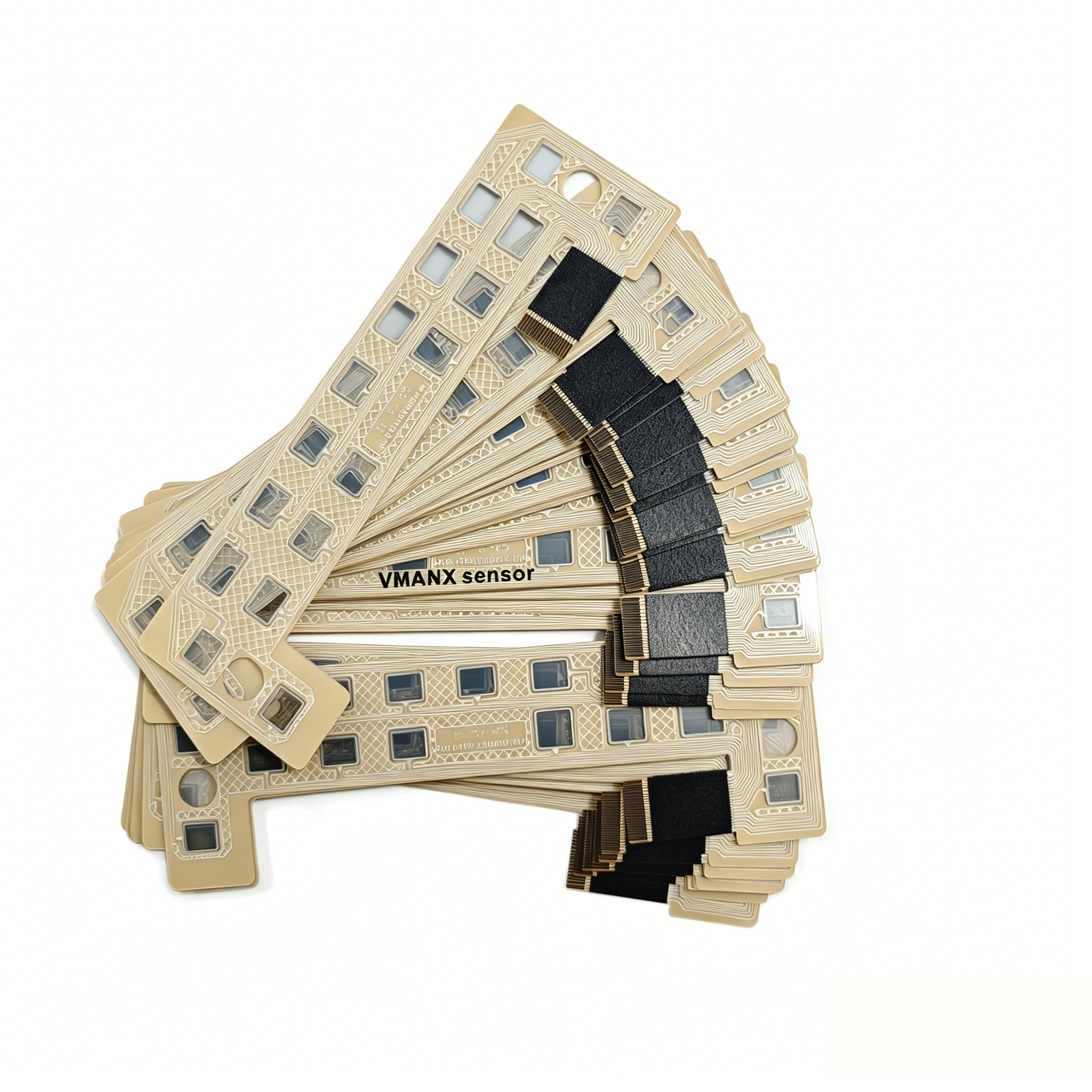
Capacitive Touch Sensor Solutions for All Industries

Requesting a Call:

+86-13431441931

Online Support

[email protected]

Get a Free Quote

Our representative will contact you soon.
Email
Mobile/WhatsApp
Name
Company Name
Message
0/1000
All Categories

capacitive touch sensor

Capacitive touch sensors are special devices that help us  interact with screens  and other surfaces just by touching them.  You can find them  in  smartphones, tablets,  and many other gadgets. When you touch  the  screen, the sensor  detects that touch and sends signals to the  device to respond. This technology is  popular because it is  very sensitive and can work without  needing physical buttons. At Zhongman, we make sure our capacitive touch  sensors are made  with  high quality, so they work well  and last  long. This makes  using  devices much easier and more fun for everyone.  Additionally, our sensors can be integrated with various technologies, such as PVDF piezoelectric sensor, to enhance functionality.
What Common Issues Do Users Face with Capacitive Touch Sensors?

Users sometimes have  problems  with capacitive touch sensors. One common issue is that the sensor might not respond well if the screen is dirty or wet. For instance,  if  you have fingerprints or water on your phone’s screen, it  might not  register your touch.  This can be very frustrating, especially  if  you are trying to send a  message quickly. Another issue is that some  people wear gloves, and  capacitive sensors may not work through them. It is a problem in cold weather when people want to use their devices outside. Some users might also find that the sensor  is too sensitive. This means it can  register touches  when you don’t want it to, like when you are just  holding the device. This can lead  to accidental actions, such  as  opening apps you didn’t mean to open. Moreover, in bright sunlight, sometimes the screen can be hard to see, making it tricky to touch the right place. At  Zhongman, we understand these issues and work hard to make our sensors more reliable. We want to make sure users have a smooth experience without these annoyances.

Our Blog Posts

How to Choose the Right Medical Electrode Manufacturer: A Focus on ISO 13485 Compliance

02

Jul

How to Choose the Right Medical Electrode Manufacturer: A Focus on ISO 13485 Compliance

When looking for a medical electrode manufacturer, it is important to find one that follows the right rules to make safe and reliable products. Zhongman is a company that cares about making good medical electrodes. These special devices help doctors ...
View More
The Role of Printed Flexible Sensors in Next-Gen Patient Monitoring Systems

03

Jul

The Role of Printed Flexible Sensors in Next-Gen Patient Monitoring Systems

Printed flexible sensors are special tools that help doctors and nurses keep a close watch on patients’ health. These sensors can bend and stretch, making them easy to use in many ways. They can be placed on the skin to measure things like heart rate...
View More
IMD (In-Mold Decoration) Panels: Integrating Touch Sensors with Colored Film

31

Jul

IMD (In-Mold Decoration) Panels: Integrating Touch Sensors with Colored Film

In today’s world, technology continues to evolve, and one exciting innovation is In-Mold Decoration (IMD) panels. These panels combine vibrant colors, decorative designs, and touch sensors into a single surface. This means users can enjoy both an att...
View More
How Flexible Touch Sensors Enable New Form Factors in Consumer Electronics

10

Aug

How Flexible Touch Sensors Enable New Form Factors in Consumer Electronics

In today’s world, technology is changing fast. One exciting change is the rise of flexible touch sensors. These sensors are special because they can bend and fit into different shapes. This opens up many new possibilities for devices we use every day...
View More

Get a Free Quote

Our representative will contact you soon.
Email
Mobile/WhatsApp
Name
Company Name
Message
0/1000

Related product categories

How Capacitive Touch Sensors Can Enhance Your Product's User Experience?

How Capacitive Touch Sensors Can Enhance Your Product's User Experience?

Capacitive touch  sensors can make products much better for users. First, they allow for quick and easy interactions. Imagine a tablet that  you can swipe and tap on to browse the internet or play games. It  feels natural and smooth. This kind of interaction can make learning or working more enjoyable. For example, kids can play educational games or draw on  tablets with ease, which keeps them engaged.  Another benefit is the sleek design. Since capacitive sensors don’t need buttons,  products can have a  clean look. This makes devices more attractive  to users. Customers  like gadgets that look modern and are easy to use. Additionally, these sensors  can offer customizable features. Companies can design  their touch interfaces to fit their  brand, making  it  unique. At Zhongman, we can help create sensors that  fit perfectly in any product. The ability to use gestures, like  swiping or pinching, can also be a game-changer. It lets users navigate through apps  or images quickly, making everything feel more fluid. Overall, capacitive touch sensors not only improve how people use their devices, but they  also make the  whole experience more enjoyable and efficient. Incorporating components like Flexible Printed Circuits can further enhance the design and functionality of these sensors.

How to Troubleshoot Common Problems with Capacitive Touch Sensors?

How to Troubleshoot Common Problems with Capacitive Touch Sensors?

Capacitive touch sensors are used in many devices like smartphones, tablets, and even some appliances. Sometimes, they might not work as well as we expect. If you have  a  capacitive touch sensor and it is acting weird, don’t worry! Here are some simple steps to help you fix the common problems. First, check if the surface of the sensor is  clean. Dust, dirt, or water can block the sensor and make it not work. Use a soft cloth to gently wipe the surface. Next,  make sure your fingers  are  dry. If your fingers are wet or too dirty, the sensor may have trouble detecting your touch. Another thing to check is  the settings on your device. Sometimes, the  touch sensitivity can be changed. If it is set too low, the sensor might not respond well. You can go into the  settings of your device and adjust the touch sensitivity to  see if that helps. If the sensor still isn't working, try restarting the device. Just  like computers, sometimes devices need a little break to fix themselves. If none of these steps  work,  the  sensor might be damaged.  In this case, you should contact a professional or the  company where you bought the device. At Zhongman, we know how  important it is to have working touch sensors, so we encourage you  to reach out for help if you  need  it.

What Innovations Are Shaping the Future of Capacitive Touch Sensor Technology?

What Innovations Are Shaping the Future of Capacitive Touch Sensor Technology?

Capacitive touch sensors are always getting better, and many exciting new ideas are coming out! One of the big changes  is making sensors more sensitive. This  means  they can detect  even the  lightest touch. This is  super helpful for people who want to use their devices  while wearing gloves or  when their hands are wet. Another cool innovation is the ability to use capacitive sensors in different shapes and sizes. For example, some new sensors can be built into the glass of a car window or even in walls, allowing you to control things without needing a traditional button. This makes using technology easier and more  fun! Also, researchers are  working on making touch sensors  even smarter. This means they  can learn how  different people use their devices. For instance, if you often press a certain button, the sensor can learn to make it easier for you to reach that button. At Zhongman, we are excited about these innovations because they make our lives simpler and more  enjoyable. Lastly, there is a focus on making these sensors more energy-efficient.  This means they can work without using too much  battery power, which is great for portable devices. With  all these  advances, the future  of capacitive touch sensors looks bright, and we can’t wait to see what  comes next!

Get a Free Quote

Our representative will contact you soon.
Email
Mobile/WhatsApp
Name
Company Name
Message
0/1000