EN
EN
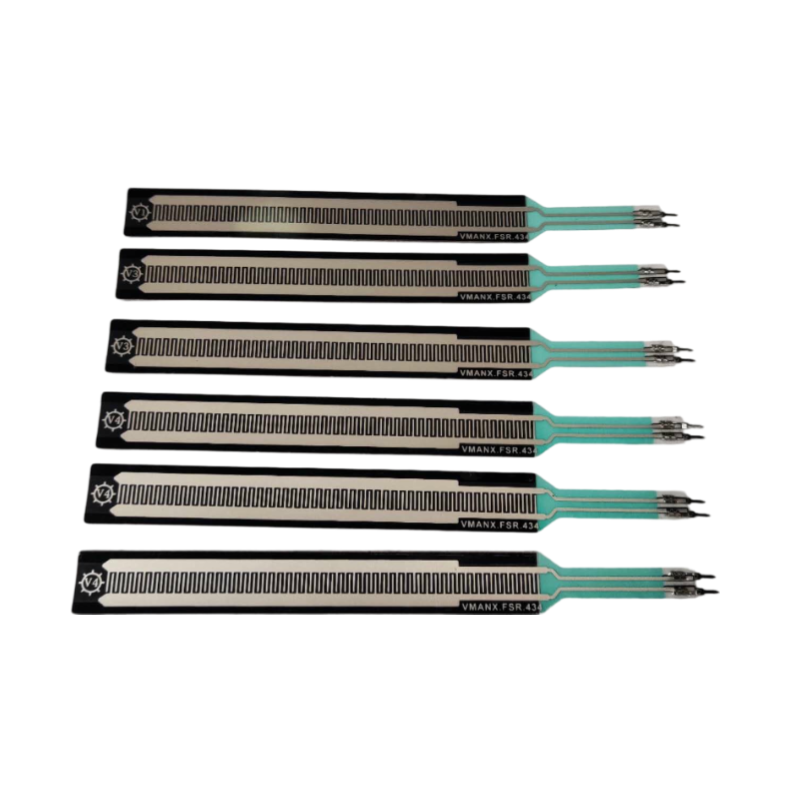
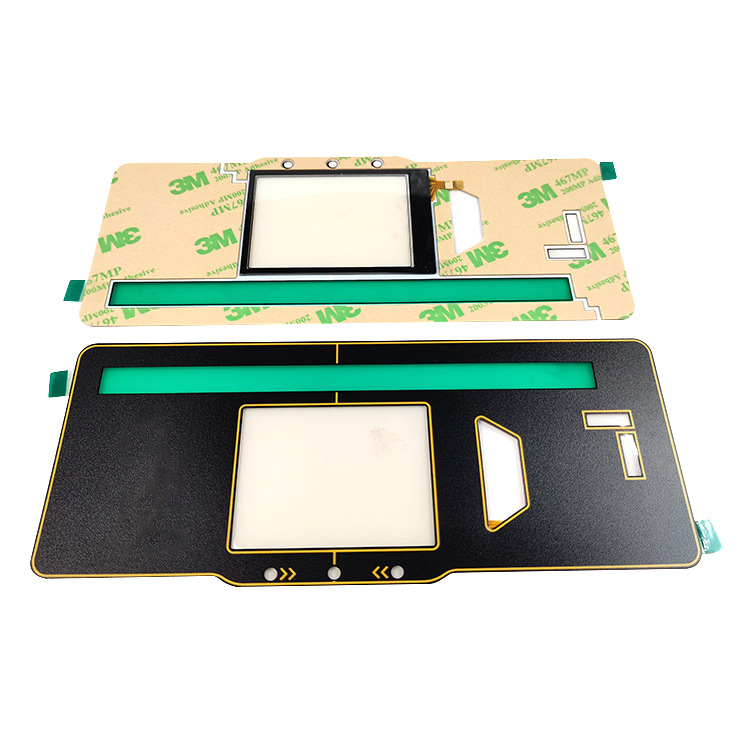
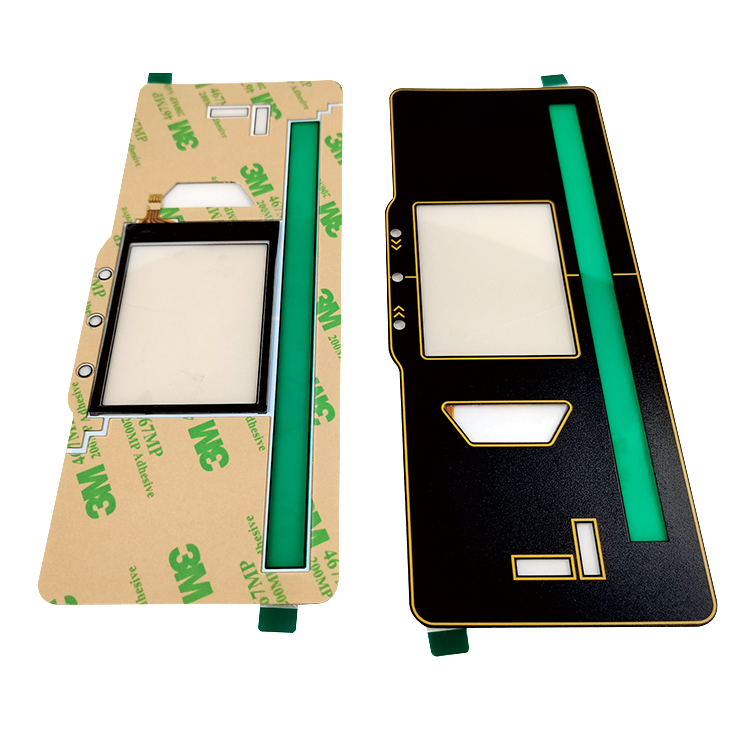
Resistive touch sensors are special devices that help us interact with screens. You can find them in many places, like ATMs, older smartphones, and even some tablets. These sensors work when you press down on the screen. The screen can tell where you touched because it has two layers separated by a small gap. When you press, the layers touch each other, and the sensor figures out the exact spot. This is different from other types of touch sensors that might use your finger's electricity instead. Resistive sensors are popular because they can work even when you use a stylus or wear gloves. Our company, Zhongman, makes high-quality resistive touch sensors that are used in many different products, including the Pocket NMES Neuromuscular Muscle Stimulator.
When we talk about resistive touch sensors and capacitive sensors, we see some big differences. Resistive sensors are usually cheaper. They work by pressing down on the screen, like using a button. Even if your hands are wet or you wear gloves, resistive sensors still work well! This makes them great for places like factories or outside where conditions can be tough. On the other hand, capacitive sensors are often more sensitive. They can detect your touch without needing any pressure. This means that when you just hover your finger over the screen, it can sense it. Capacitive sensors are more common in smartphones and tablets these days because they can respond faster and provide a smoother experience. However, they need clean, dry fingers to work properly. If your hands are dirty or you wear gloves, they might not work at all. So, each type has its own strengths and weaknesses. For example, if you’re designing a device for kids or for outdoor use, you might choose resistive sensors from Zhongman, as they are durable and can handle rough use. On the other hand, if you want a sleek phone with a fast response, you might go for capacitive sensors. The choice really depends on what you need the device to do and where it will be used.