EN
EN
Resistive touch screens are an important part of modern technology. These screens allow people to interact with devices by touching the surface. They are made of several layers, including two thin layers of conductive material. When you press the screen, these layers touch each other, and this action tells the device what you want to do. This type of screen is popular in many industrial settings because it can work with gloves and is very durable. At Zhongman, we focus on creating high-quality resistive touch screens that are reliable and easy to use.
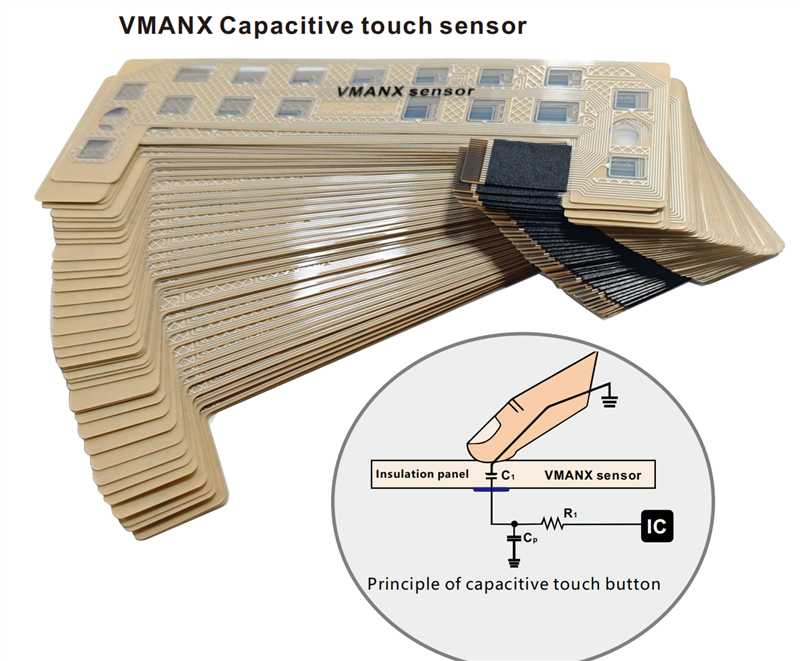
Resistive touch screens are different from other touch screen technologies, like capacitive screens. Capacitive screens use the electrical properties of the human body to work. This means that they only respond to fingers and not to gloves or other objects. In contrast, resistive touch screens can be used with anything that applies pressure, making them more versatile. For example, if a worker in a factory needs to use the screen while wearing gloves, a resistive touch screen will still work perfectly. Another key difference is in how they register touch. Resistive touch technology works by sensing pressure, while capacitive touch screens detect changes in electrical charge. This can mean that resistive screens are often less sensitive than capacitive ones, but they can be more reliable in tough environments. They can also be more affordable, which is a big plus for companies looking to save money while still getting good quality technology. At Zhongman, we understand that different settings require different types of touch screens. That’s why we offer resistive screens as a strong option for many industries, especially where durability and versatility are key, such as in the use of PVDF piezoelectric sensor applications.