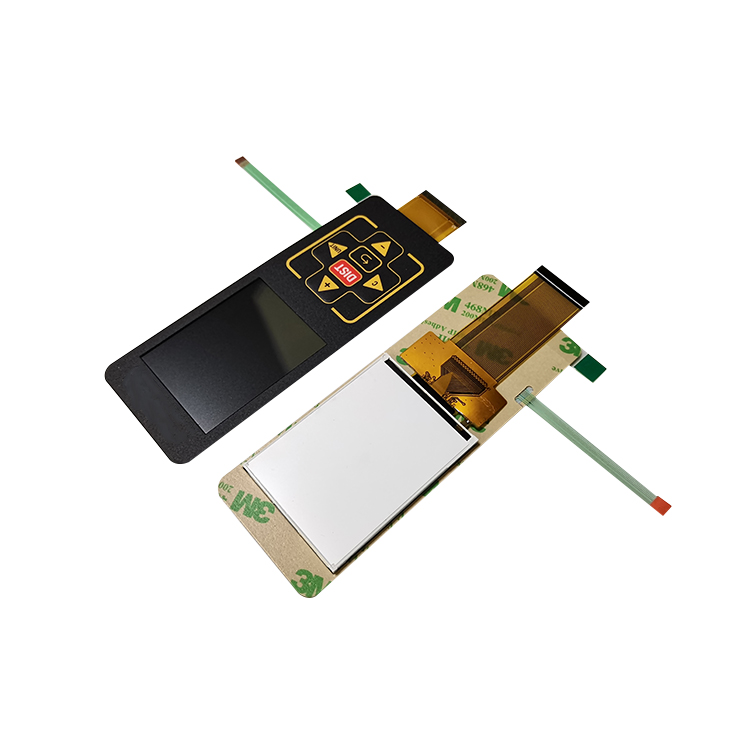
Resistive Touch Screen Display Solutions

Requesting a Call:

+86-13431441931

Online Support

[email protected]

Get a Free Quote

Our representative will contact you soon.
Email
Mobile/WhatsApp
Name
Company Name
Message
0/1000
All Categories

resistive touch screen display

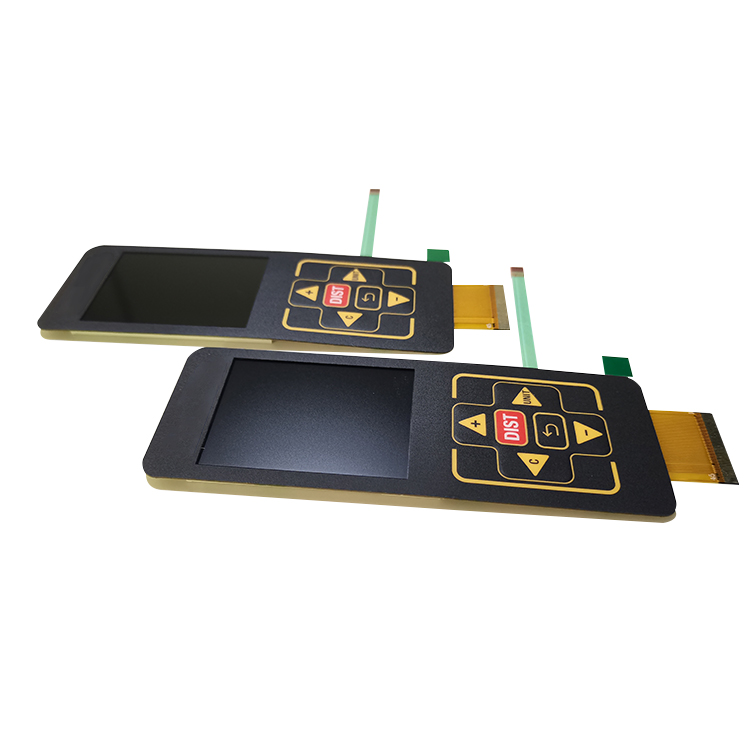
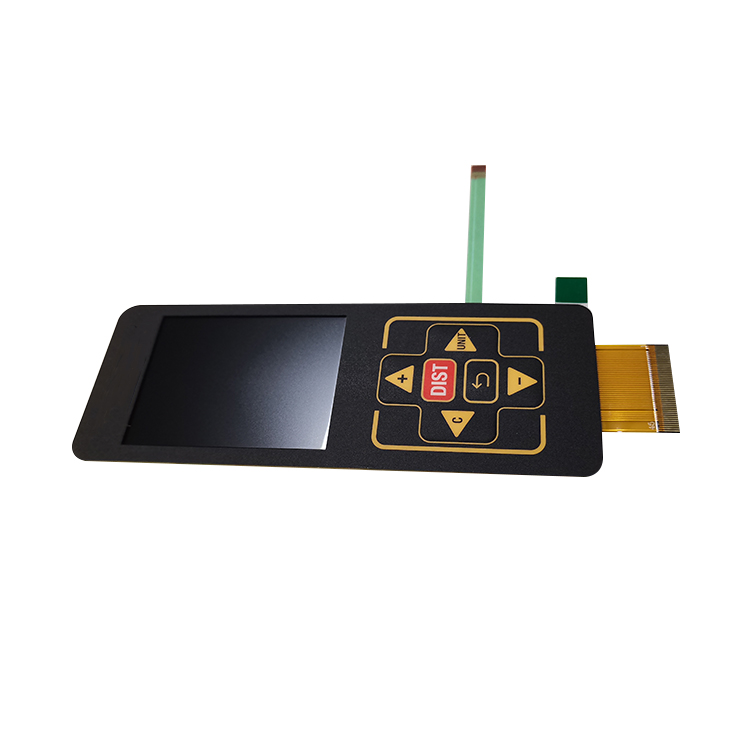
A resistive  touch screen display is a type of screen that can sense  touch. This technology is used in many gadgets like tablets, smartphones,  and even some machines in factories. When you touch the screen, it responds to  your touch by changing what you see or do. This is different from other screens that might use light or other sensors to know you touched them. With a  resistive screen, it is usually made of two thin layers separated by a tiny gap. When you press down on the top layer, it touches the bottom layer, and that creates a signal that tells the device what you want  it to do. Zhongman uses this technology in some of its products, making it easier for workers to  interact with machines.

Sometimes, resistive touch screens can have problems. One common issue is  that they can be less responsive if not pressed hard enough. Users might think the screen is broken,  but it just needs a firmer touch.  To fix this, people can be trained to use the screen correctly. Another issue is that resistive screens can get dirty. Dust and grease can make it hard to touch the right spot. Keeping the  screen clean is very important. Using a  soft cloth with a gentle cleaner can  help keep it clear. Also, resistive touch screens may not  work well when  it is very cold or  very hot. If someone is wearing gloves,  it  might not recognize their  touch.  In this case, special gloves made for touch screens can help. Zhongman understands these issues and designs their screens to work better in tough conditions, helping users avoid these problems. For example, their Pocket NMES Neuromuscular Muscle Stimulator uses advanced technology to enhance user interaction.
Common Usage Issues with Resistive Touch Screen Displays and How to Overcome Them

There are many  good things about resistive touch screen  technology. First, they are usually cheaper than other types of touch screens.  This means more people can afford them, making them popular in many devices. They also work well in  different environments. For example, they can be used in bright sunlight or even in places with dust and dirt. This is why you might find them in outdoor kiosks or industrial machines. Another  advantage is that they can  be used  with different  tools. You can use your finger, a stylus, or  even a pen to touch the screen. This flexibility  makes them very user-friendly. Zhongman focuses on these strengths,  ensuring their resistive  screens are tough and reliable. This makes them great for both personal and  industrial  use, allowing users to have a smooth experience. Additionally, they offer products like Medical Disposable SpO2 Sensors that further enhance usability in medical applications.

Resistive touch screen  displays and  capacitive displays are two common  types of touch screens. They work in different ways, which makes them good for different jobs. A resistive touch screen uses two thin layers separated by a tiny gap. When you press on the screen, the two layers touch each other. This action sends a signal to the device, telling it where you touched. The resistive screen can work with anything that can press on it, like a finger, a stylus, or even a glove. This makes it  very useful in places like hospitals or factories where  people might need  to wear gloves.

Our Blog Posts

Electric Motorcycle Seat Sensors: Solving Waterproofing & Durability Challenges

21

Jul

Electric Motorcycle Seat Sensors: Solving Waterproofing & Durability Challenges

Electric motorcycles are becoming more popular every day. They are clean, quiet, and fun to ride. One important part of these motorcycles is the seat sensor. These sensors help keep track of who is riding and how they are sitting. But, making sure th...
View More
Capacitive Touch Membrane Switch vs. Mechanical Buttons: Why Appliances are Switching

26

Jul

Capacitive Touch Membrane Switch vs. Mechanical Buttons: Why Appliances are Switching

Many appliances today are using capacitive touch membrane switches instead of traditional mechanical buttons. This change is happening because capacitive touch technology is changing how we interact with our devices. When you think about it, the butt...
View More
Custom Membrane Switch Design for Smart Kitchen Appliances (Humidity/Heat Resistance)

05

Aug

Custom Membrane Switch Design for Smart Kitchen Appliances (Humidity/Heat Resistance)

When it comes to making your kitchen smarter, the little details matter a lot. One of those details is the membrane switch. These switches control many kitchen appliances, like microwaves or coffee makers. They need to work well in places where it ca...
View More
How Flexible Touch Sensors Enable New Form Factors in Consumer Electronics

10

Aug

How Flexible Touch Sensors Enable New Form Factors in Consumer Electronics

In today’s world, technology is changing fast. One exciting change is the rise of flexible touch sensors. These sensors are special because they can bend and fit into different shapes. This opens up many new possibilities for devices we use every day...
View More

Get a Free Quote

Our representative will contact you soon.
Email
Mobile/WhatsApp
Name
Company Name
Message
0/1000

Related product categories

What are the Key Advantages of Using Resistive Touch Screen Technology?

What are the Key Advantages of Using Resistive Touch Screen Technology?

On the other  hand, capacitive touch screens are different. They work by  using the electrical  properties  of your  finger. When you touch  the screen,  it changes the electric field on  the display. The screen  can tell where you touched because of this change. Capacitive screens  are usually more sensitive and can detect  multiple touches at once, which is called multi-touch. This feature  is great for smartphones  and tablets, where you  might pinch or swipe to zoom  in or out. However, capacitive screens do not  work well  with  gloves or  other objects, which can be a problem in  some settings.

How Do Resistive Touch Screen Displays Compare to Capacitive Displays?

How Do Resistive Touch Screen Displays Compare to Capacitive Displays?

Overall, resistive touch  screens are often less  expensive than capacitive ones and  can be used in harsher  environments. They are great for simple applications where  you just need to tap or  press  something. Capacitive screens, while  more  advanced and responsive,  might not be the  best  choice for all situations.  Zhongman offers both  types of displays, so  businesses can  choose what works  best for  their  needs. Understanding these differences helps people make  better choices when selecting a touch screen for their products.

Where Can You Source Reliable Resistive Touch Screen Displays for Your Business?

Where Can You Source Reliable Resistive Touch Screen Displays for Your Business?

Resistive touch  screen  displays  are used in many different  areas because they are  versatile and reliable. One popular application is in  the medical field. Hospitals and clinics often use these screens  on devices  like patient monitors and medical  equipment. The ability to  use the  screen with  gloves  is important in these settings, as  it  keeps everything clean and safe.  Doctors  and nurses  can quickly  input information or adjust settings without worrying about touching the screen directly with their skin. They also utilize advanced sensors like the Industrial High Precision NTC Temperature Sensor for precise monitoring.


Get a Free Quote

Our representative will contact you soon.
Email
Mobile/WhatsApp
Name
Company Name
Message
0/1000