EN
EN
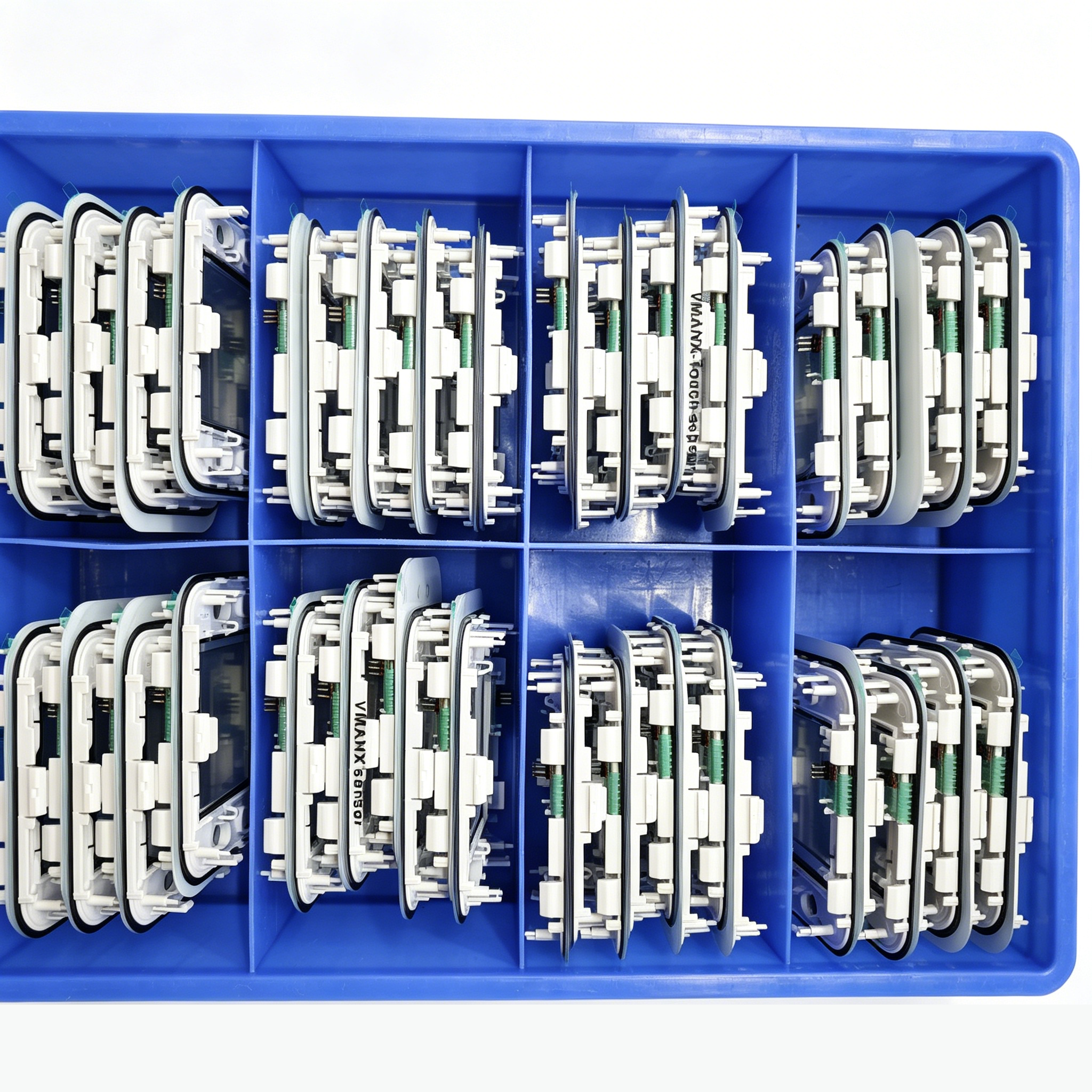
Waterproof HMI screens are special types of displays that can resist water and keep working properly. These screens are important in many industries, especially where machines are used a lot. Zhongman makes these screens to help businesses operate smoothly, even in tough conditions. Imagine a factory where workers use machines that can get wet or dirty. With waterproof HMI screens, workers can easily see and control the machines without any worry. This is why many companies choose Zhongman for their waterproof HMI screens.
Waterproof HMI screens offer many benefits for factories and industrial settings. First, they provide safety. If water spills on a regular screen, it can stop working and cause problems. This can even lead to accidents if workers can’t control machines properly. Waterproof screens don’t have this issue. They keep working, even when they get wet. This means that operations can continue without interruptions, which helps keep production steady. Another benefit is durability. Waterproof HMI screens are made to last. They can withstand harsh environments where dust, grime, and water are present. This makes them a smart investment for businesses. Companies save money in the long run because they don’t have to replace screens as often. Waterproof screens also help improve efficiency. Workers can quickly view important information without worrying about the screen malfunctioning. For example, if a machine needs immediate attention, a waterproof HMI screen lets workers respond fast, reducing downtime. Furthermore, these screens can be used in various industries, from food processing to manufacturing. In food processing, keeping equipment clean and dry is crucial for safety. Waterproof screens make it easy to monitor machines while ensuring hygiene. Also, the screens can be easily cleaned without fear of damage. This adaptability is a huge plus for companies. They can use the same technology in different areas without needing special equipment. Lastly, Zhongman’s waterproof HMI screens are designed with user-friendliness in mind. They have touch capabilities, making it easy for workers to interact with machinery. This means less training time and fewer mistakes, which is beneficial for both employees and the company.