EN
EN
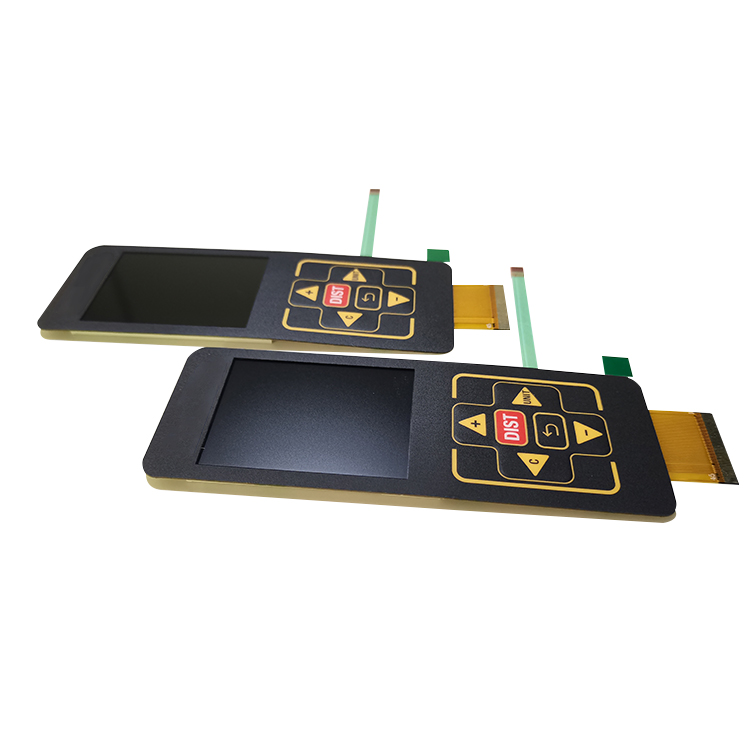
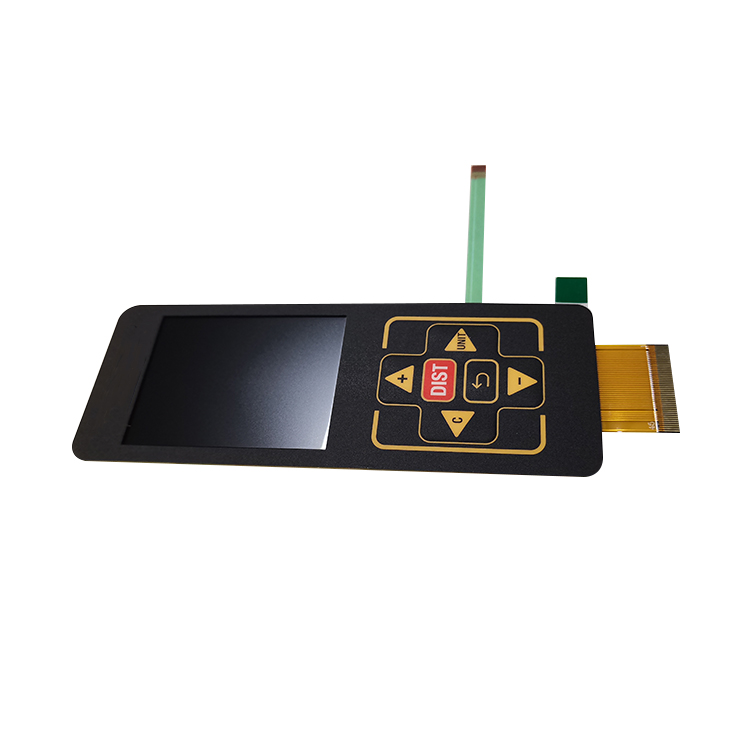
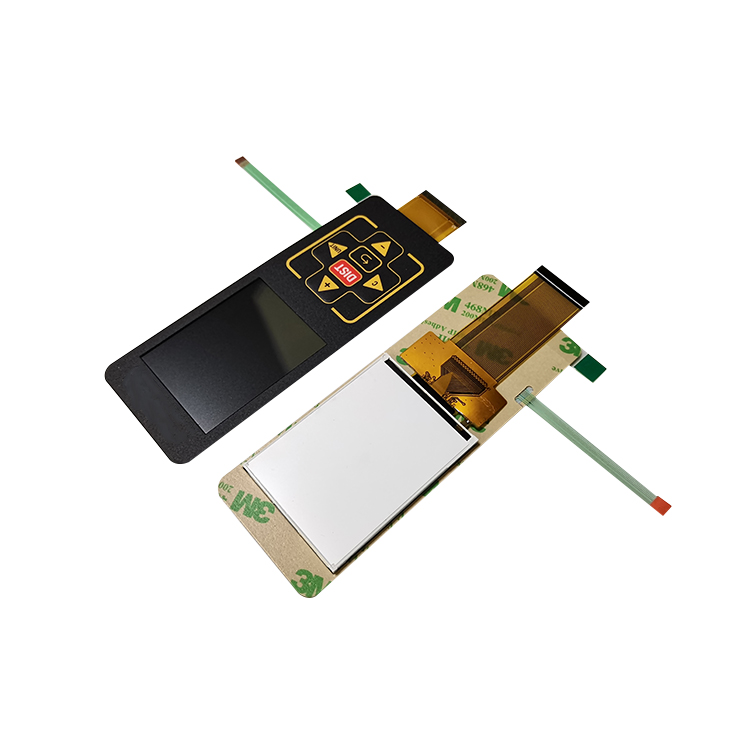
A resistive touch screen display is a type of screen that can sense touch. This technology is used in many gadgets like tablets, smartphones, and even some machines in factories. When you touch the screen, it responds to your touch by changing what you see or do. This is different from other screens that might use light or other sensors to know you touched them. With a resistive screen, it is usually made of two thin layers separated by a tiny gap. When you press down on the top layer, it touches the bottom layer, and that creates a signal that tells the device what you want it to do. Zhongman uses this technology in some of its products, making it easier for workers to interact with machines.
Sometimes, resistive touch screens can have problems. One common issue is that they can be less responsive if not pressed hard enough. Users might think the screen is broken, but it just needs a firmer touch. To fix this, people can be trained to use the screen correctly. Another issue is that resistive screens can get dirty. Dust and grease can make it hard to touch the right spot. Keeping the screen clean is very important. Using a soft cloth with a gentle cleaner can help keep it clear. Also, resistive touch screens may not work well when it is very cold or very hot. If someone is wearing gloves, it might not recognize their touch. In this case, special gloves made for touch screens can help. Zhongman understands these issues and designs their screens to work better in tough conditions, helping users avoid these problems. For example, their Pocket NMES Neuromuscular Muscle Stimulator uses advanced technology to enhance user interaction.