Benefits and Trends of Flex Circuit PCBs

Requesting a Call:

+86-13431441931

Online Support

[email protected]

Get a Free Quote

Our representative will contact you soon.
Email
Mobile/WhatsApp
Name
Company Name
Message
0/1000
All Categories

Flex circuit pcb

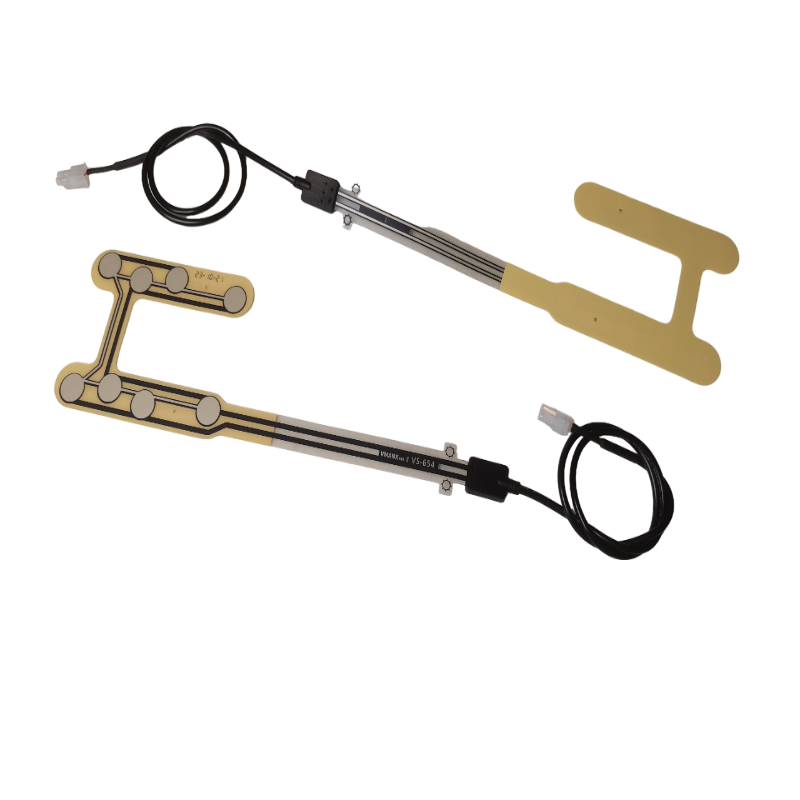
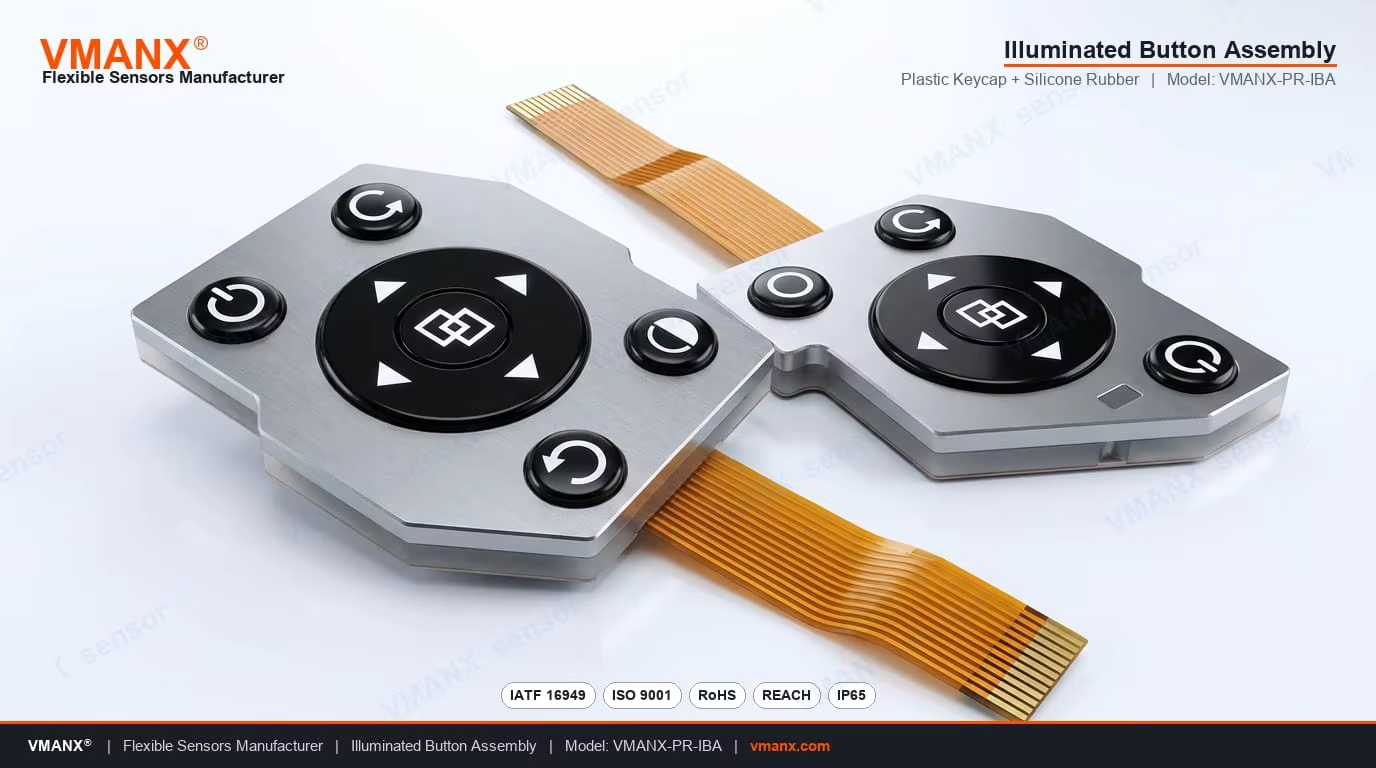
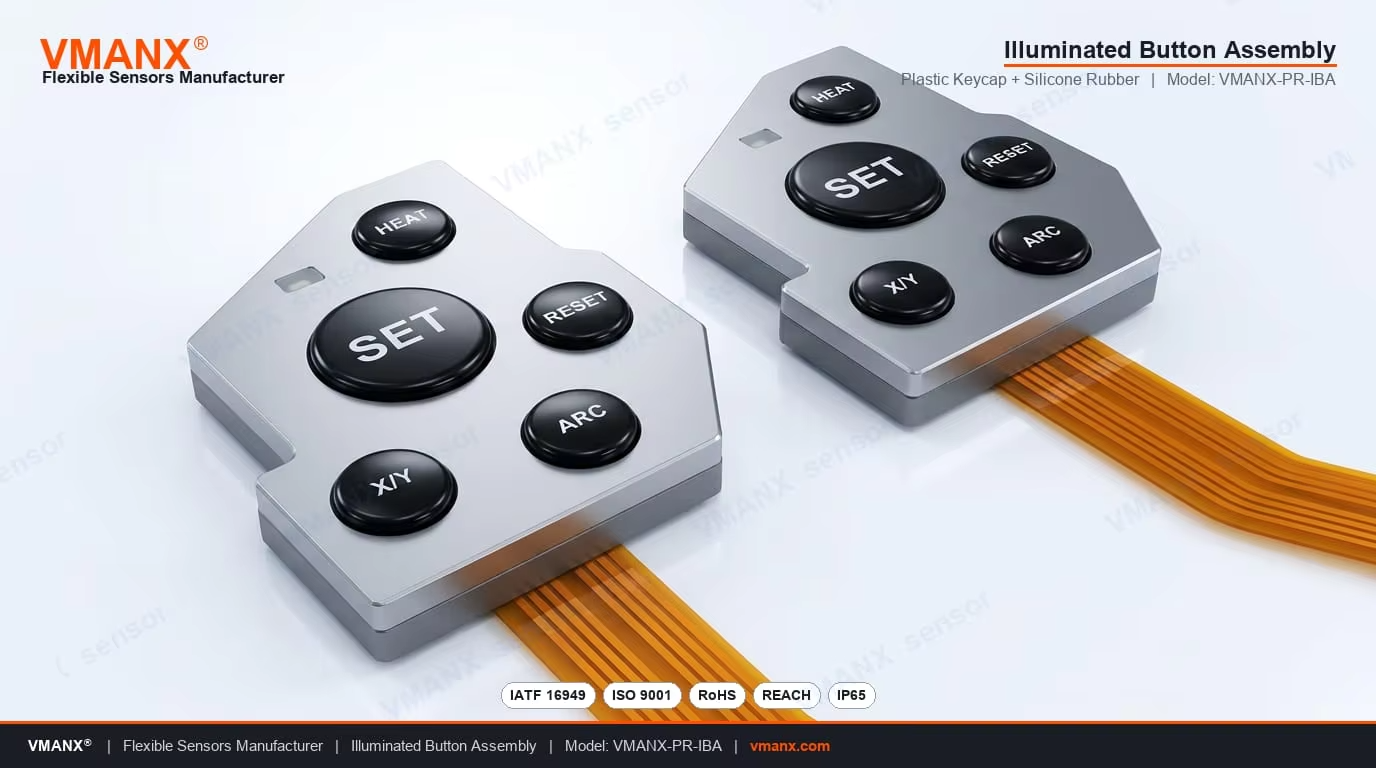
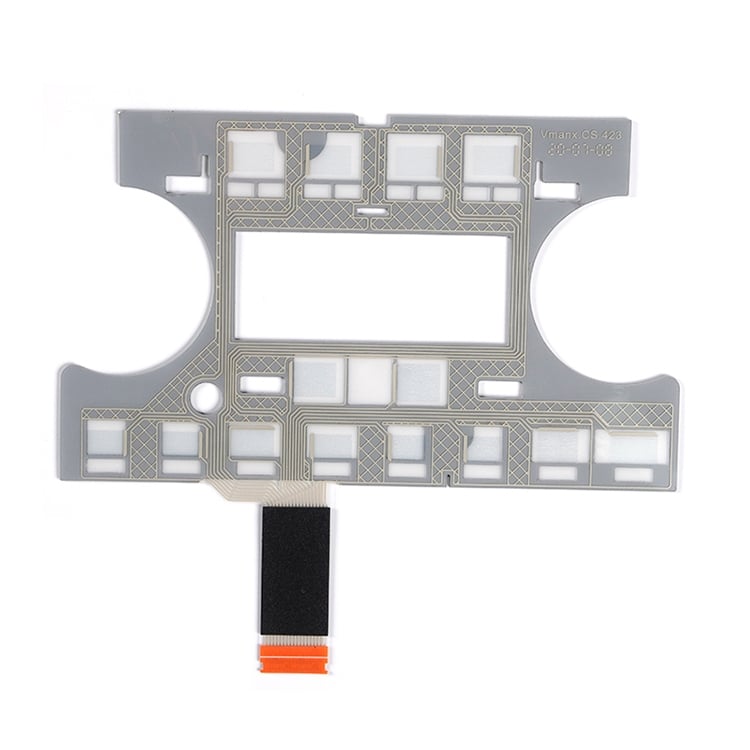
Flex circuit PCBs are cool tools used in many electronic devices. They are a type of printed circuit board that can bend and twist. This makes them different from regular flat circuit boards. At Zhongman, we know how useful flex circuit PCBs can be for your projects. They are lighter, can save space, and are perfect for gadgets that need to fit in small places. For example, smartphones, smart watches, and medical devices often use these flexible boards because they can be shaped to fit snugly inside. This flexibility helps make devices thinner and lighter, we will talk about the benefits of using flex printed and some common issues you might face when using them.
Our Products

What Are the Key Benefits of Flex Circuit PCBs for Your Projects?

One of the main benefits of flex circuit PCBs is their flexibility. Unlike traditional circuit boards that are rigid, flex circuits can bend and move. This is very helpful in devices that need to be compact or have moving parts. Imagine a smart watch that wraps around your wrist. It needs to be flexible to fit comfortably. Flex circuit PCBs allow this type of design. They can also help save space inside devices. With traditional boards, you often need extra room for wires and connections. But with flex circuits, you can connect components in tight spots. This can lead to smaller and lighter devices, which most users appreciate. Another great thing about flex circuits is that they are durable. They can handle stress and movement better than rigid boards. This means they are less likely to break over time. For products that are used daily, like fitness trackers or mobile phones, this durability is super important. At Zhongman, we make sure our flex circuit PCBs meet high standards for quality and performance. Plus, they can be made in various shapes and sizes, which is a big plus for designers looking to create unique products. The ability to create custom designs allows engineers to be more creative and innovative. This means they can develop new products that stand out in the market. By using flexible pcb, you are not just making a product; you are making a statement about quality and modern technology.

Frequently Asked Questions

What is a flex circuit PCB and its main use?

A flex circuit PCB is a bendable printed circuit used to connect and move electronic components in tight or moving spaces. VMANX uses them in medical sensors, automotive modules, and smart home devices for compact, reliable interconnects.
We offer polyimide and flexible copper-clad laminates with single to multilayer constructions, controlled impedance, and optional coverlay or flexible soldermask to meet medical and automotive standards.
Yes. VMANX provides one-stop services including design, layout, and engineering support to optimize flex geometry, trace routing, and connector placement for your application.
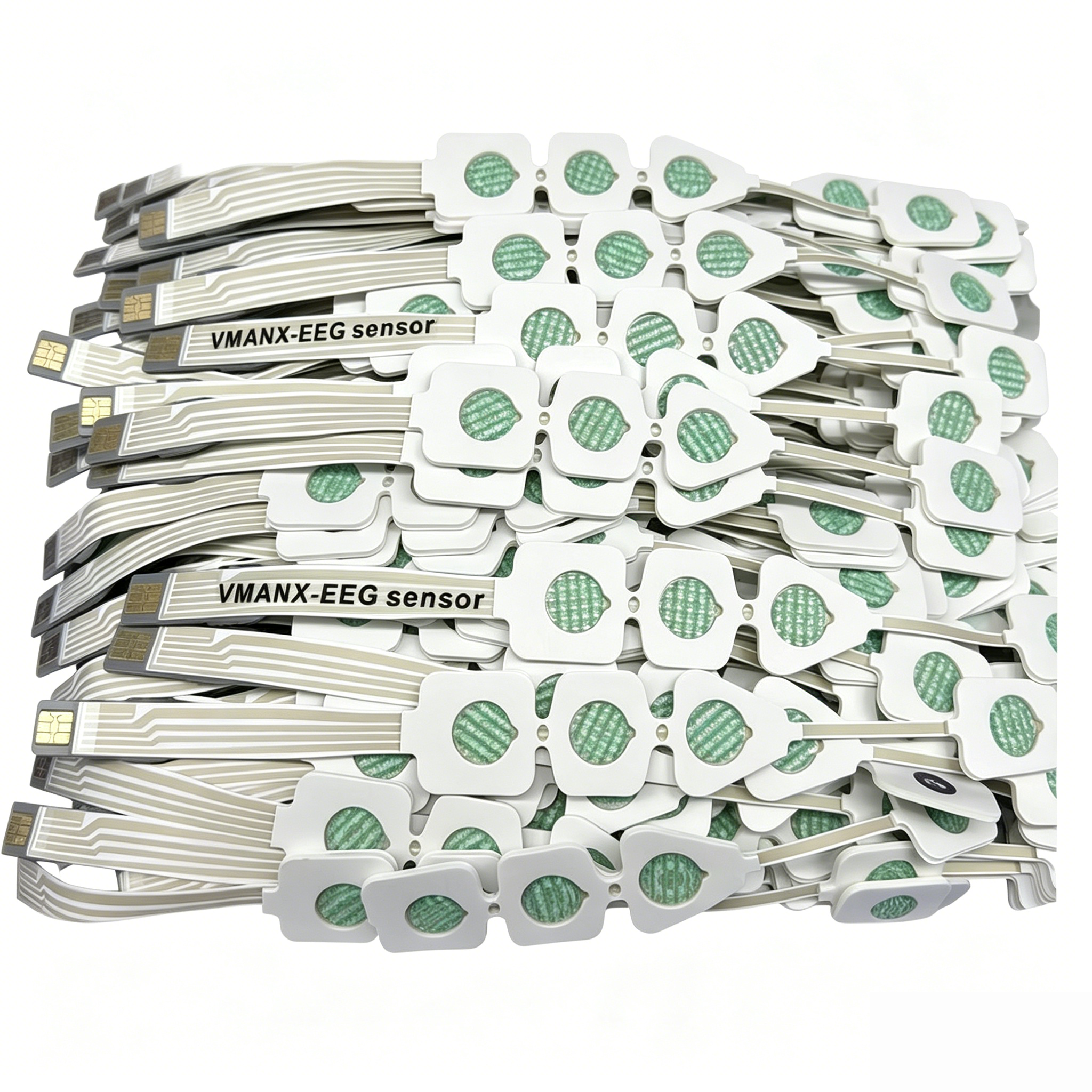
Yes. We perform component assembly, soldering, and functional testing tailored to medical EEG/FSR, automotive SBR/CPD, and smart home requirements, with inspection and quality documentation.
Lead times vary by complexity; prototyping often takes 2–4 weeks while production depends on volume. MOQ depends on design and materials; contact VMANX with specifications for a precise quote.

Get a Free Quote

Our representative will contact you soon.
Email
Mobile/WhatsApp
Name
Company Name
Message
0/1000

Related product categories

What Common Issues Should You Consider When Using Flex Circuit PCBs?

Though flex circuit PCBs have many benefits, there are some challenges to think about. One issue is the cost. Flex circuits can sometimes be more expensive to produce than rigid boards. This is because they require special materials and manufacturing processes. If you are on a tight budget, this might be a consideration. Another point to think about is their design. Designing a flex circuit PCB can be tricky. You have to plan carefully to avoid problems with bending and movement. If the design is not done right, it might not work as intended. Engineers need to pay close attention to how the circuit will be used. Additionally, flex circuits can be more sensitive to temperature changes. This means they might not work well in extreme heat or cold. It’s important to choose the right materials to ensure they function properly in different environments. Also, connecting flex circuits to other parts can be challenging. Sometimes, you need special connectors to ensure a good fit. If the connections aren’t secure, the device may not work. We help our clients navigate these challenges. We provide expertise in designing and manufacturing flex circuit PCBs that meet specific needs. By working with us, you can overcome these issues and create high-quality products that stand out in the market.

How Flex Circuit PCBs Enhance Product Performance in Electronics?

Flex circuit PCBs, or printed circuit boards, are special types of circuits that can bend and twist. This flexibility makes them different from regular circuit boards. Flex circuits are really important in electronics because they help devices work better. For example, in smartphones, tablets, and wearable like smart watches, flex circuits allow for a lot of space-saving designs. Since they can bend, they fit into tight spaces where regular circuit boards might not fit. This means that manufacturers can create slimmer and lighter devices. Flex circuits also help in making products more reliable. When a device is moved or shaken, flex circuits can bend without breaking, unlike stiff circuit boards. This makes them perfect for devices that are often on the go. Moreover, flex circuits can connect different parts of a device in new ways. For example, they can link a screen to the main board in a way that saves space and weight. Companies like Zhongman are focused on creating high-quality flexible printed circuit that can improve how electronics work. By using flex circuits, products can perform better, last longer, and often have more features, which is what many consumers want today.

What Trends Are Shaping the Future of Flex Circuit PCB Manufacturing?

The future of flex circuit PCB manufacturing is very exciting. One big trend is the use of new materials. Manufacturers are always looking for lighter and stronger materials to make their flex circuits even better. For instance, using special plastics can make circuits lighter while still allowing them to bend. Another trend is automation in factories. This means that machines do more of the work instead of people. This can help make the production faster and reduce errors. Also, more companies are investing in eco-friendly practices. They want to ensure that the materials used to create flex circuits are safe for the environment. Some even recycle old circuits to make new ones! Additionally, there’s a growing interest in wearable technology. As more people use smart watches and fitness trackers, the demand for flex circuits is increasing. Companies like our brand are paying attention to these trends to create better products that meet market needs. By adapting to new technologies and consumer preferences, the future of flex circuit PCBs looks bright and full of possibilities.

Get a Free Quote

Our representative will contact you soon.
Email
Mobile/WhatsApp
Name
Company Name
Message
0/1000