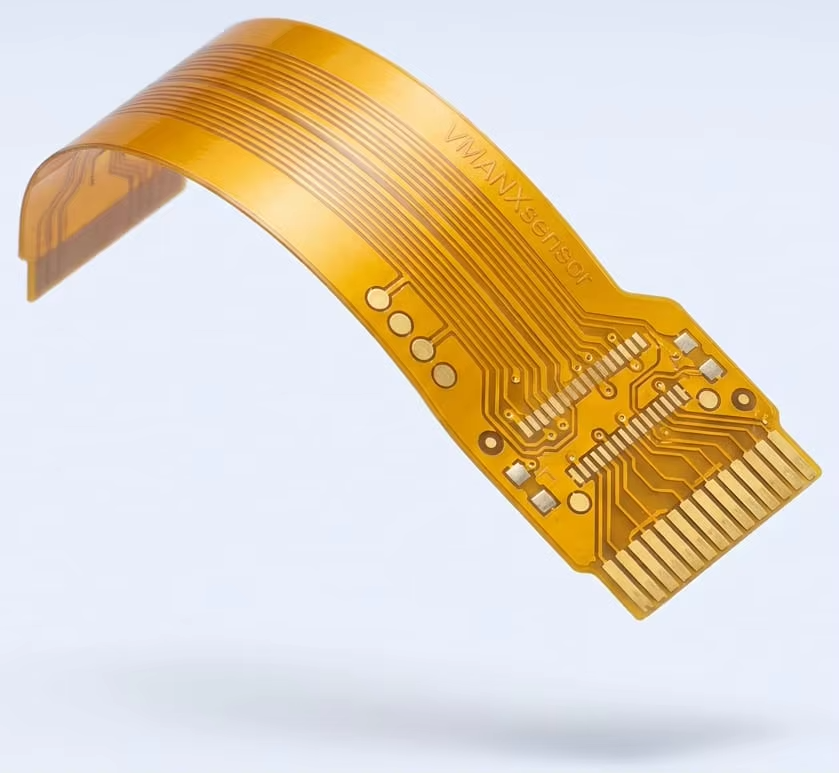
Flexible PCB Boards for Innovative Electronics

Requesting a Call:

+86-13431441931

Online Support

[email protected]

Get a Free Quote

Our representative will contact you soon.
Email
Mobile/WhatsApp
Name
Company Name
Message
0/1000
All Categories

Flexible pcb board

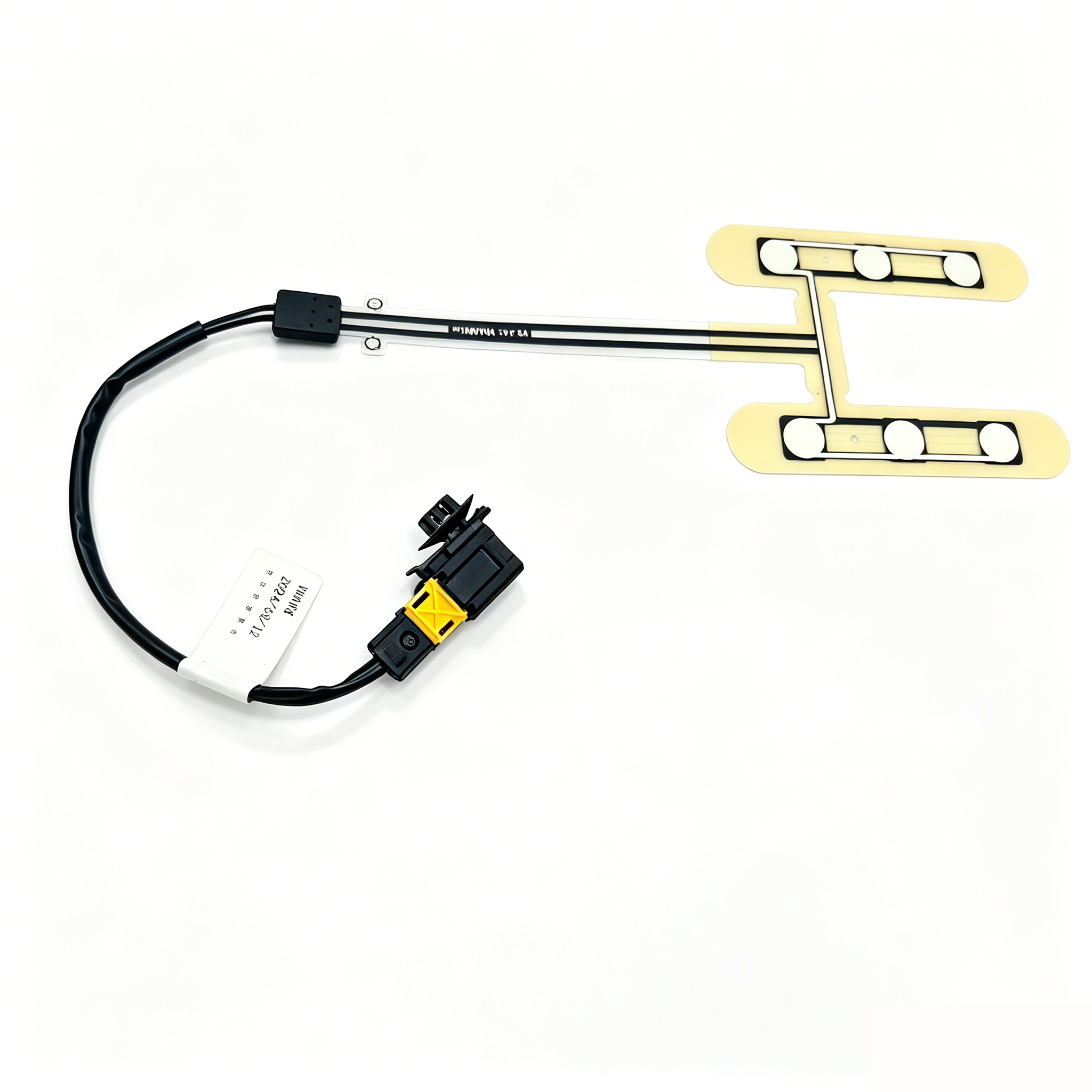
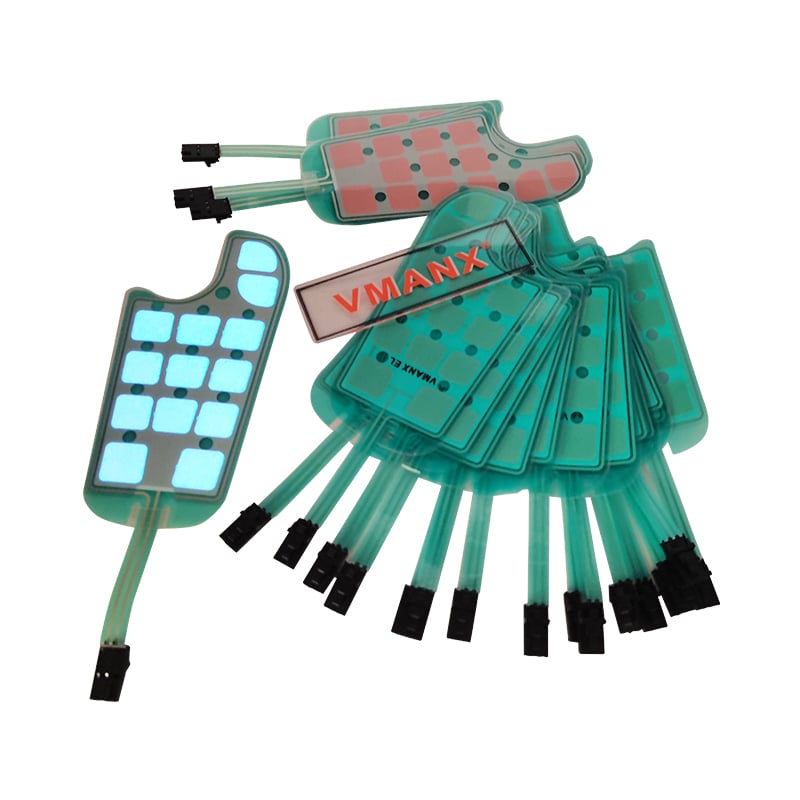
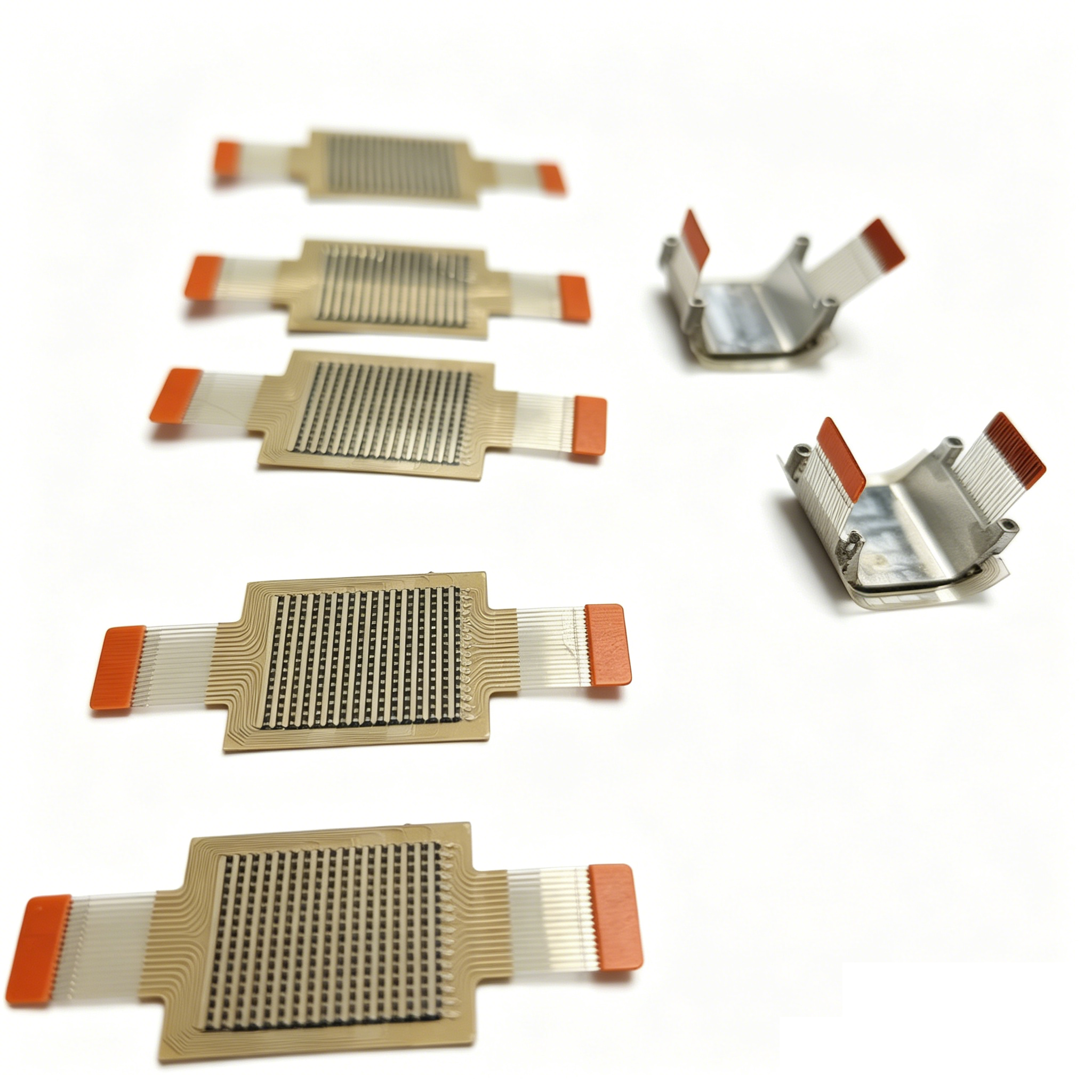
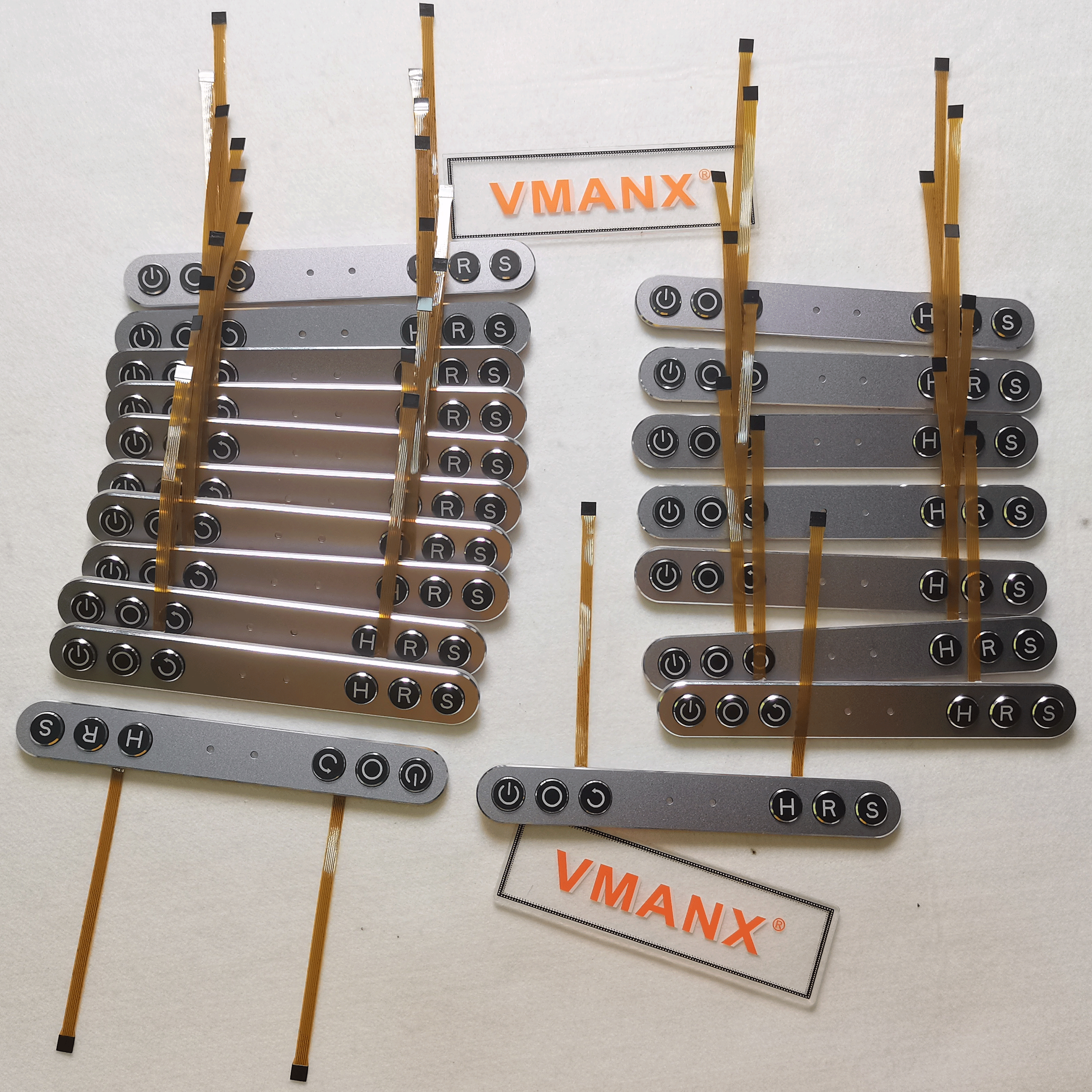
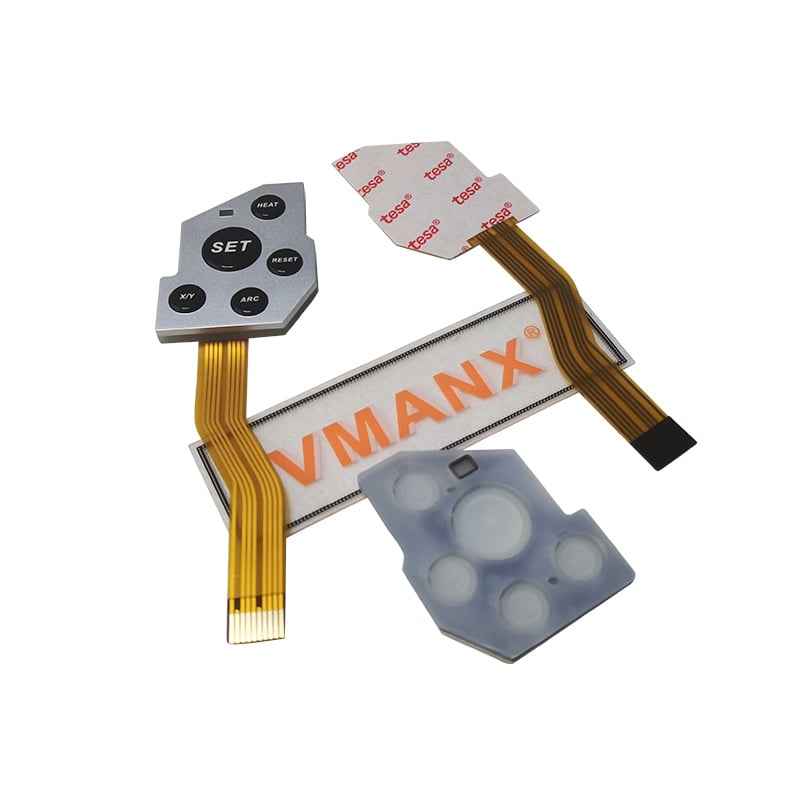
Flexible PCBs, or Printed Circuit Boards, are advanced electronic circuits designed to bend, twist, and fold without losing functionality. Unlike traditional rigid boards, Zhongman flexible pcb are manufactured using special materials that allow them to adapt to compact and complex spaces. This unique characteristic makes them extremely valuable in modern electronics, where devices are becoming smaller and more sophisticated. Flexible PCBs are widely used in smartphones, cameras, wearable devices, automotive systems, aerospace equipment, and medical instruments.   

At Zhongman flex circuit pcb, we specialize in producing high-quality flexible PCB boards that meet the demands of various industries. Our products are engineered to provide durability, excellent electrical performance, and long service life. By choosing Zhongman bendable circuit board, customers benefit from reliable solutions that help improve the efficiency and functionality of their electronic products. As technology continues to evolve, flexible PCBs are becoming an essential component for innovative designs that require both space-saving and high performance.
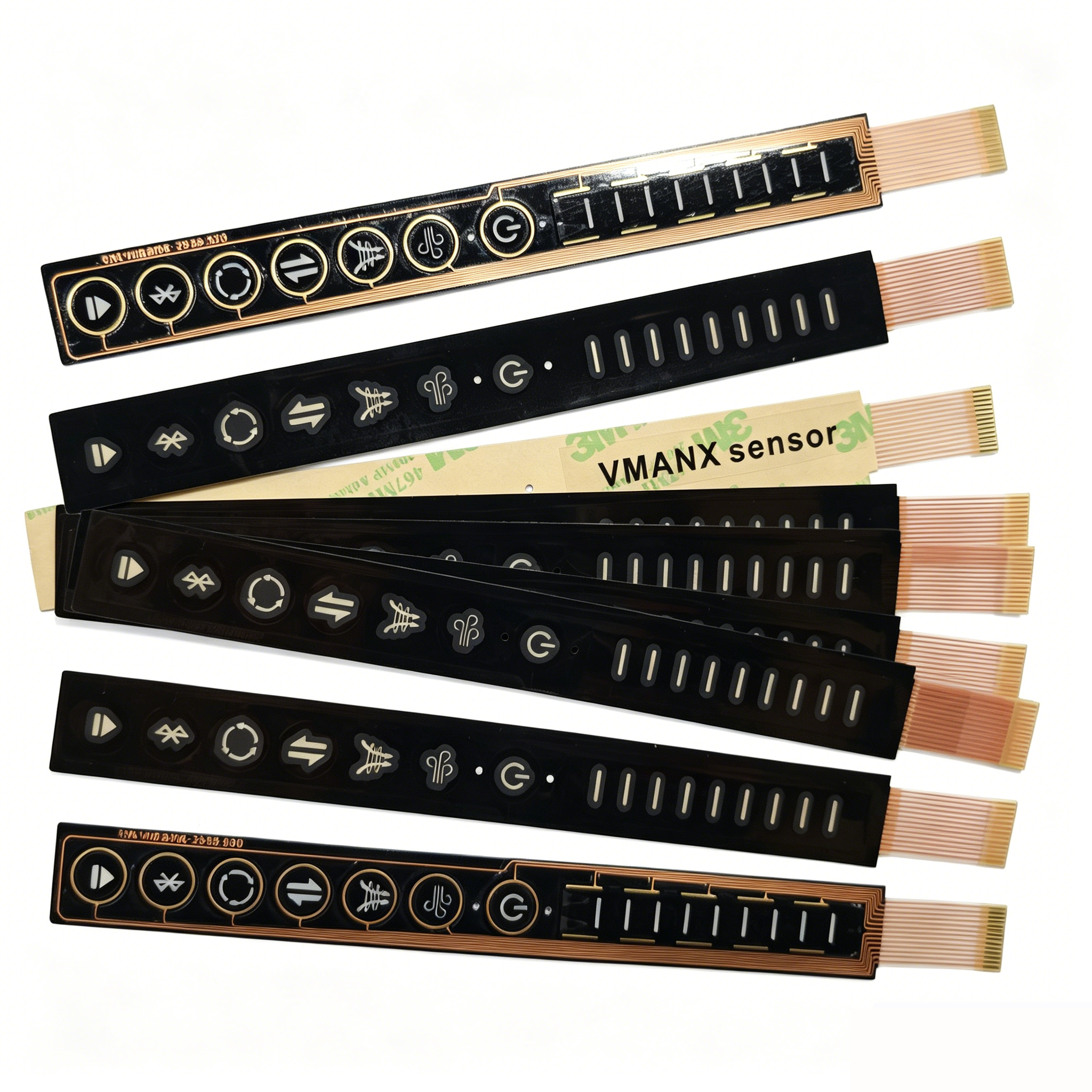
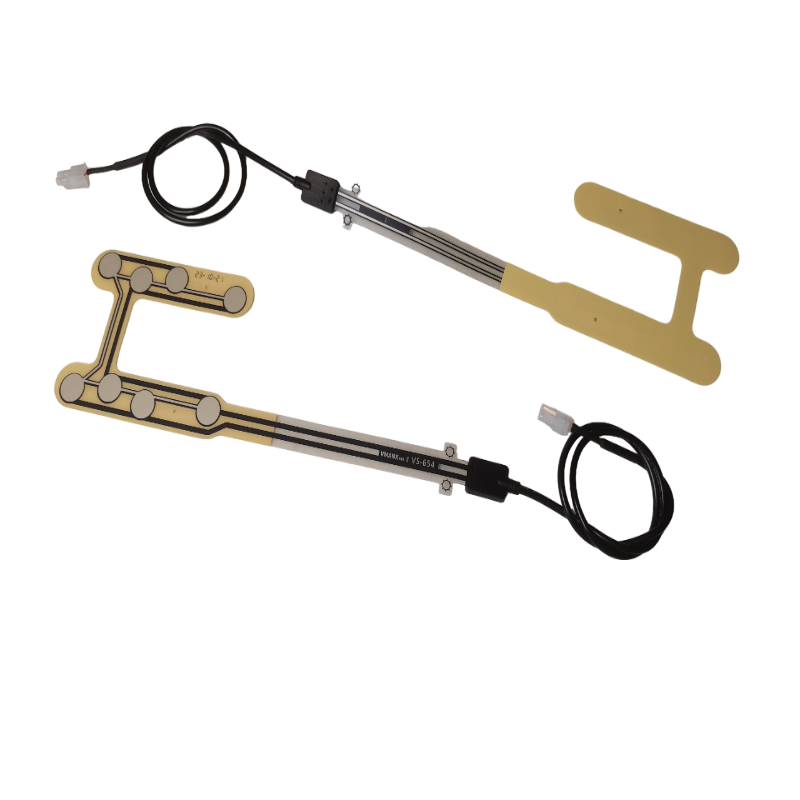
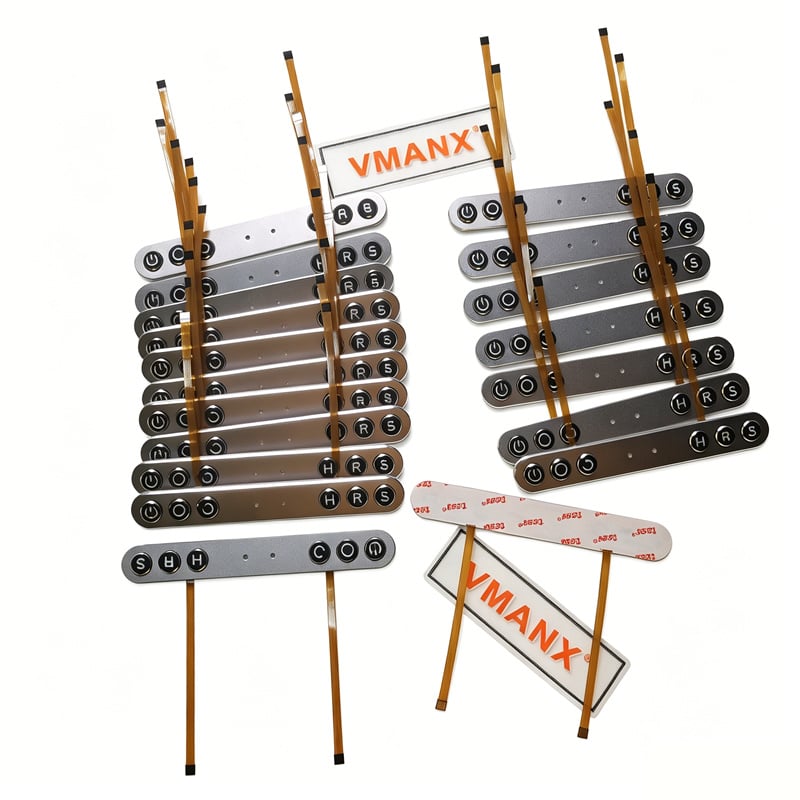
Our Products

What Are the Key Benefits of Using Flexible PCB Boards in Modern Electronics?

Flexible PCBs provide many advantages that make them indispensable in modern electronic devices. One of their biggest benefits is their ability to fit into tight spaces. Traditional rigid PCBs occupy more room and limit design possibilities, while flexible PCBs can bend and conform to various shapes. This makes them ideal for compact products where every millimeter matters.  

For example, smartphones rely heavily on flexible PCBs to connect screens, cameras, batteries, and other components. Their flexibility allows manufacturers to create thinner and lighter devices without sacrificing performance. Wearable electronics such as smartwatches and fitness trackers also depend on flexible PCBs because they need to conform to curved surfaces while maintaining reliability.  

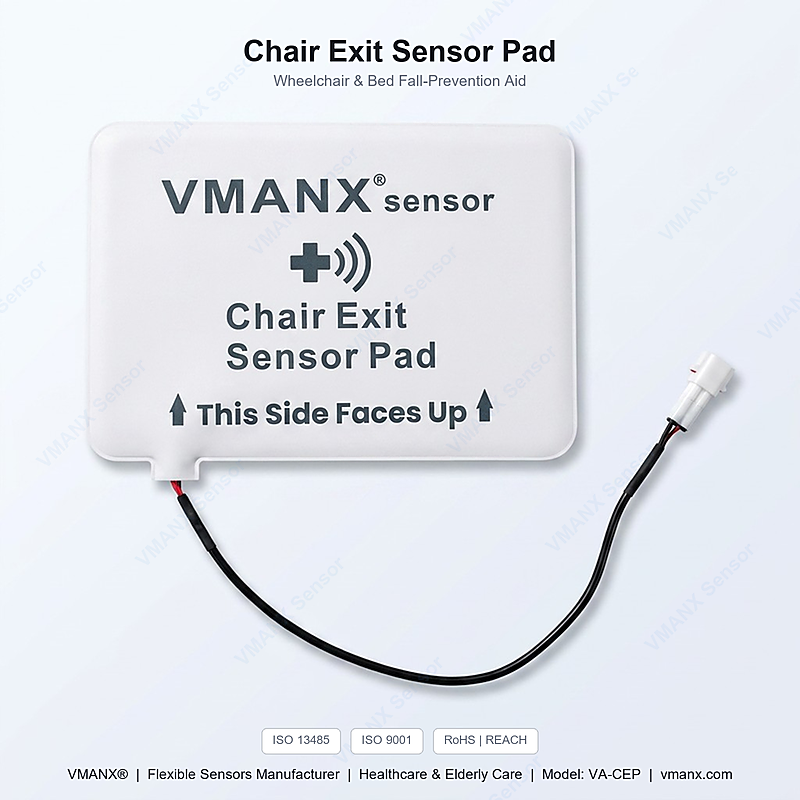
In medical applications, flexible PCBs are used in portable diagnostic devices, heart monitors, hearing aids, and other equipment where size and weight are critical factors. Patients benefit from lighter and more comfortable devices that deliver accurate performance. In the automotive industry, flexible PCBs help connect dashboard controls, sensors, navigation systems, and entertainment units while withstanding vibrations and movement.   

Another major advantage is durability. Flexible PCBs are more resistant to shock, vibration, and mechanical stress than traditional rigid boards. This makes them suitable for drones, robots, aerospace equipment, and industrial machinery. Additionally, flexible PCBs often reduce the need for connectors and wiring, resulting in fewer failure points and increased reliability. Their lightweight construction also contributes to lower overall device weight, improving portability and energy efficiency.


Frequently Asked Questions

What is a flexible PCB board?

A flexible PCB is a bendable circuit board made from flexible substrates that allow circuitry to conform to compact or moving assemblies, ideal for wearable, medical, automotive, and smart home sensors.
Typical materials include polyimide or polyester substrates, copper traces, and flexible adhesives. These materials provide durability, thermal stability, and reliable electrical performance for sensors and assemblies.
Yes. VMANX offers one-stop services including design, layout, prototyping, and assembly tailored for medical, automotive, and smart home sensor applications.
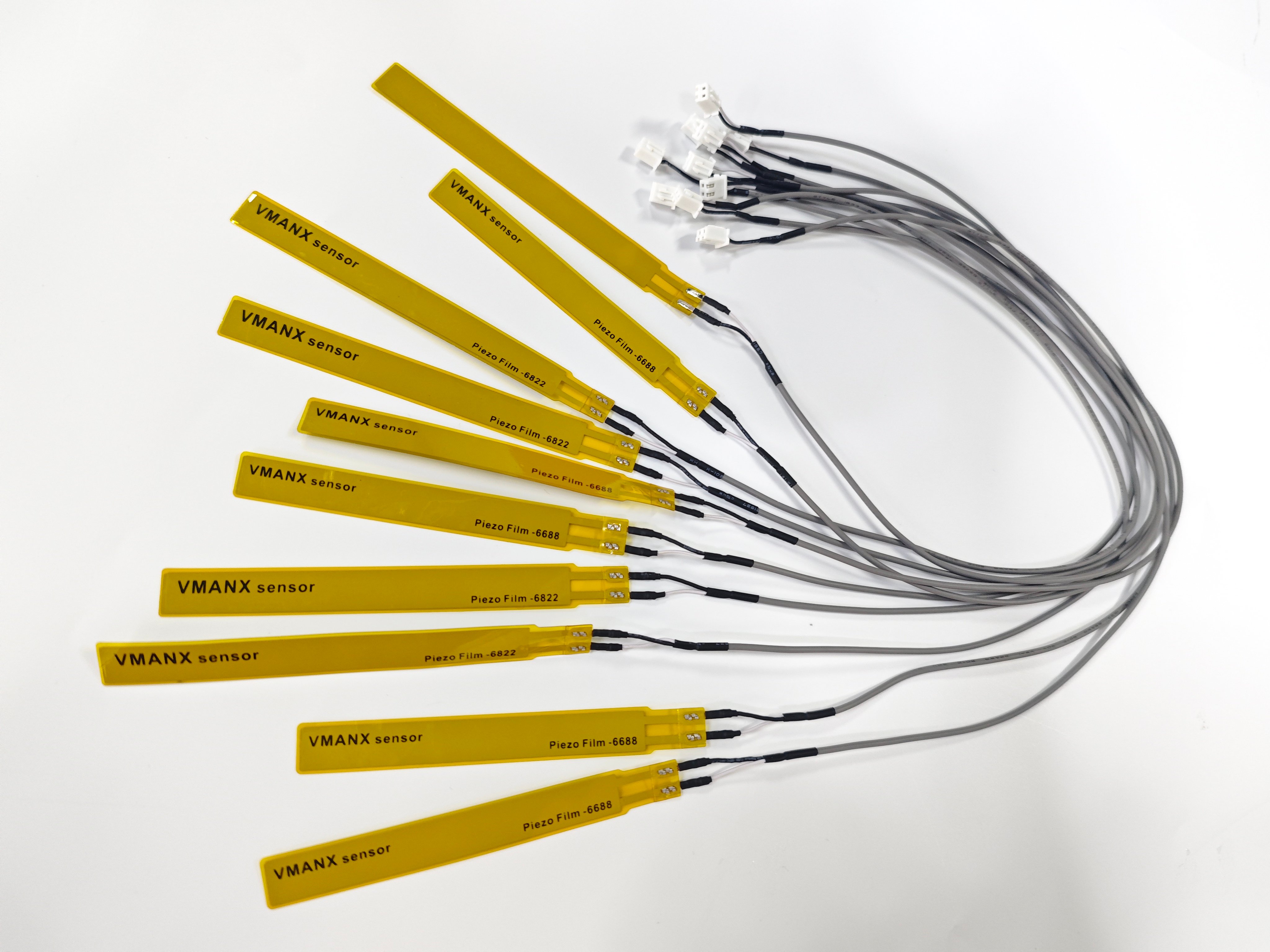
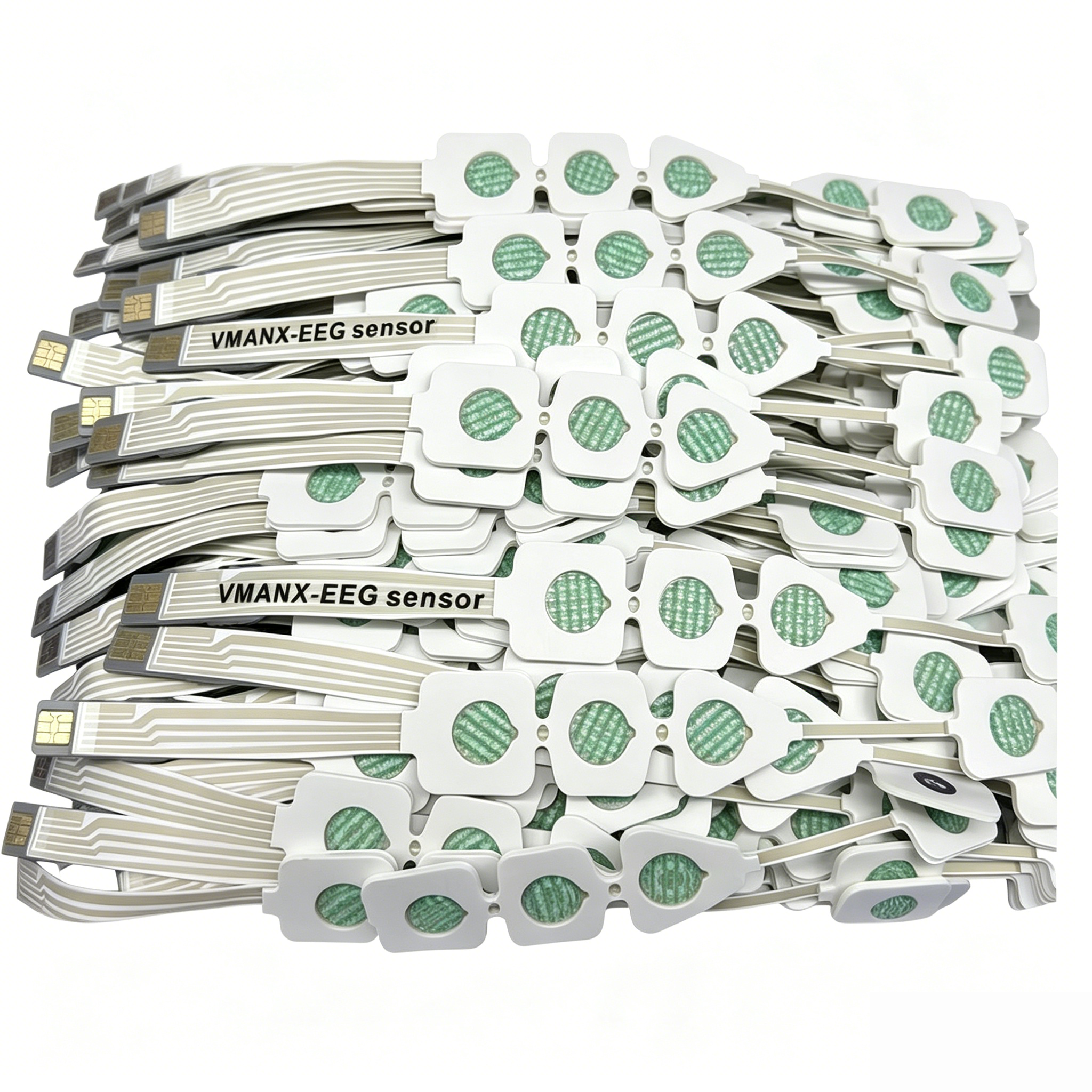
Common uses include medical EEG/FSR sensors, automotive sensing modules, compact consumer electronics, and smart home devices requiring flexible or space-saving circuitry.
We conduct electrical testing, visual inspection, dimensional checks, and functional validation appropriate to the application to ensure reliability and compliance with client requirements.

Get a Free Quote

Our representative will contact you soon.
Email
Mobile/WhatsApp
Name
Company Name
Message
0/1000

Related product categories

What Are Common Usage Issues with Flexible PCB Boards and How to Avoid Them?

Although flexible PCBs offer many benefits, certain challenges can arise during usage if they are not designed or handled properly. One common issue is excessive bending. While flexible PCBs are designed to bend, repeated or extreme bending beyond their intended limits can damage conductive traces and reduce performance. Proper design and controlled bending radii can help avoid this problem.  

Another issue is material fatigue caused by continuous movement over time. Applications involving repeated flexing require specialized materials and reinforcement to ensure long-term reliability. Zhongman carefully selects premium materials to maximize durability and reduce wear.   

Poor assembly practices can also lead to problems. Excessive heat during soldering or improper handling may damage the board. It is important to follow recommended assembly procedures and use experienced technicians when working with flexible PCBs.   

Environmental factors such as moisture, extreme temperatures, and contamination can affect performance as well. Protective coatings and proper storage conditions help maintain board integrity. In addition, incorrect design layouts may create stress concentrations that lead to failure. Working with experienced manufacturers like Zhongman ensures that potential issues are identified early and addressed effectively.   

Regular testing and quality inspections are also essential to prevent defects. By understanding these challenges and implementing proper design and handling techniques, users can maximize the lifespan and performance of flexible PCB boards.


What Are the Latest Trends in Flexible PCB Technology for Wholesale Buyers?

Flexible PCB technology continues to evolve rapidly, bringing exciting opportunities for manufacturers and wholesale buyers. One of the most significant trends is the development of thinner and lighter boards. As devices become increasingly compact, flexible PCBs are being designed with ultra-thin materials that maintain excellent performance while occupying minimal space.   

Advanced circuit designs are another major trend. Engineers are creating increasingly complex layouts that support multifunctional devices. This is particularly valuable in industries such as healthcare, where flexible PCBs enable sophisticated monitoring and diagnostic equipment.   

Environmental sustainability is becoming increasingly important as well. Many manufacturers are exploring eco-friendly materials and processes to reduce waste and minimize environmental impact. Zhongman is committed to supporting sustainable manufacturing practices and continuously evaluates environmentally responsible solutions.  

Automation and smart manufacturing technologies are also transforming PCB production. Automated equipment improves precision, reduces defects, and accelerates production speeds. These advancements allow manufacturers to deliver higher-quality products while maintaining cost efficiency.    

Another emerging trend is the integration of flexible PCBs with rigid boards to create rigid-flex PCBs. These hybrid designs combine the strengths of both technologies and are widely used in aerospace, defense, and medical applications. Additionally, the growth of wearable electronics, Internet of Things (IoT) devices, and electric vehicles is driving increased demand for advanced flexible PCB solutions.  

By staying ahead of these technological developments, Zhongman continues to provide innovative and reliable flexible PCB products that help customers remain competitive in rapidly changing markets. Our commitment to quality, innovation, and customer support ensures that we remain a trusted partner for flexible PCB solutions worldwide.


How to Ensure Quality Control When Sourcing Flexible PCB Boards in Bulk?

Maintaining quality control is essential when sourcing flexible PCB boards in large quantities. The first step is selecting a reputable manufacturer with proven experience and advanced production capabilities. At Zhongman, we prioritize quality at every stage of manufacturing.    

Material selection plays a critical role in product performance. High-quality substrates and conductive materials ensure durability and stable electrical characteristics. Before production begins, detailed design reviews help identify potential issues and optimize layouts.   

Prototype testing is another important stage. Producing sample boards allows engineers to verify functionality and make improvements before full-scale manufacturing. During mass production, regular inspections and automated testing procedures help detect defects early and maintain consistency.    

Electrical testing, visual inspection, and dimensional verification are performed throughout the process to ensure that every board meets specifications. Proper packaging and transportation methods are also important to protect boards from damage during shipping.   

Working with an experienced supplier like Zhongman simplifies quality management. Our skilled team, advanced equipment, and strict inspection procedures provide customers with confidence that every flexible PCB delivered meets the highest standards.


Get a Free Quote

Our representative will contact you soon.
Email
Mobile/WhatsApp
Name
Company Name
Message
0/1000