EN
EN
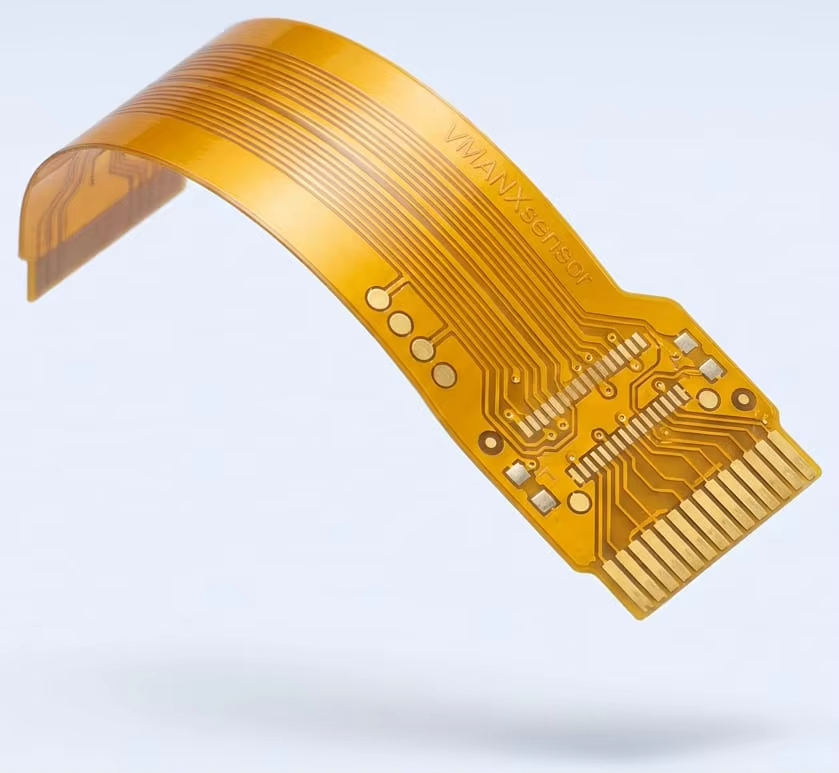
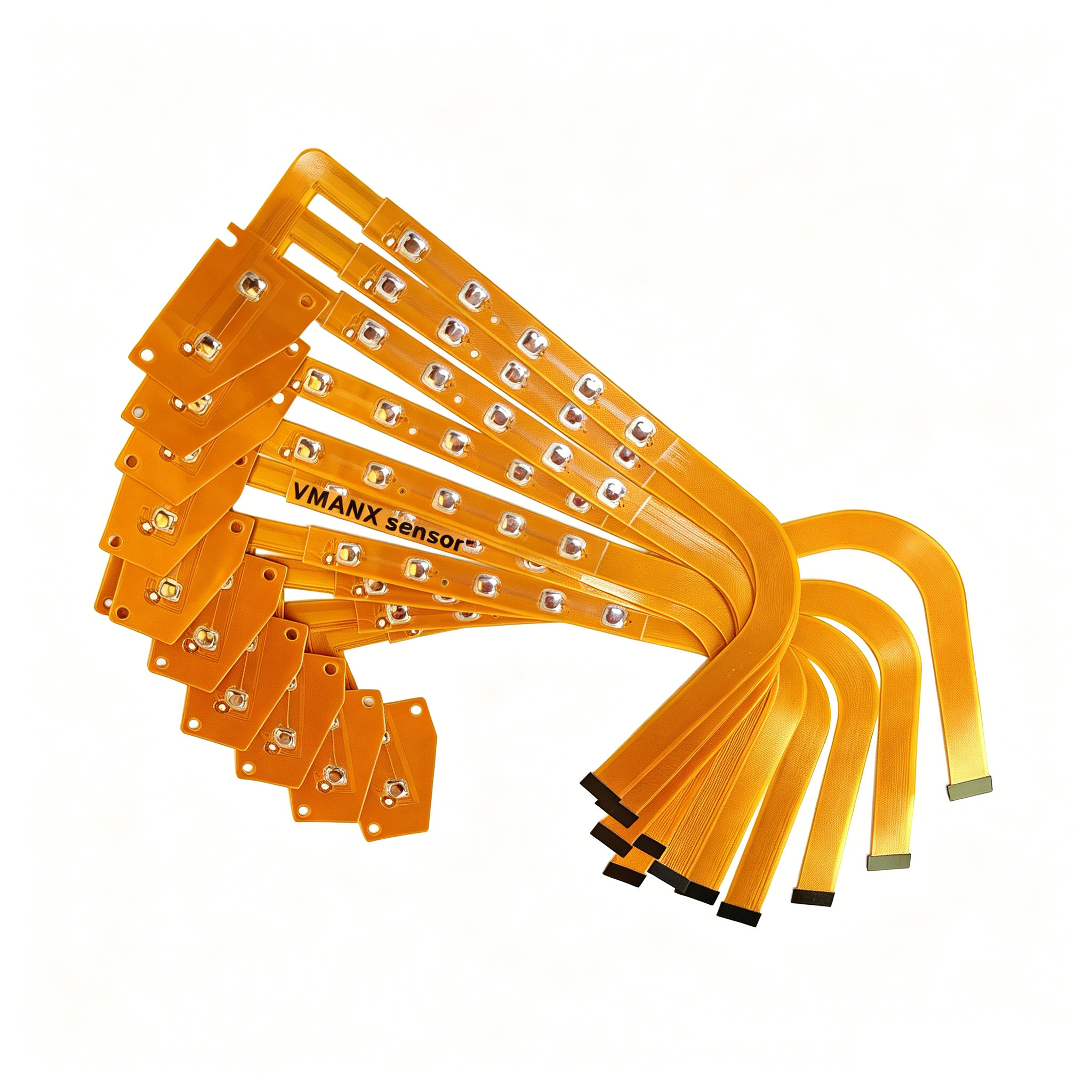
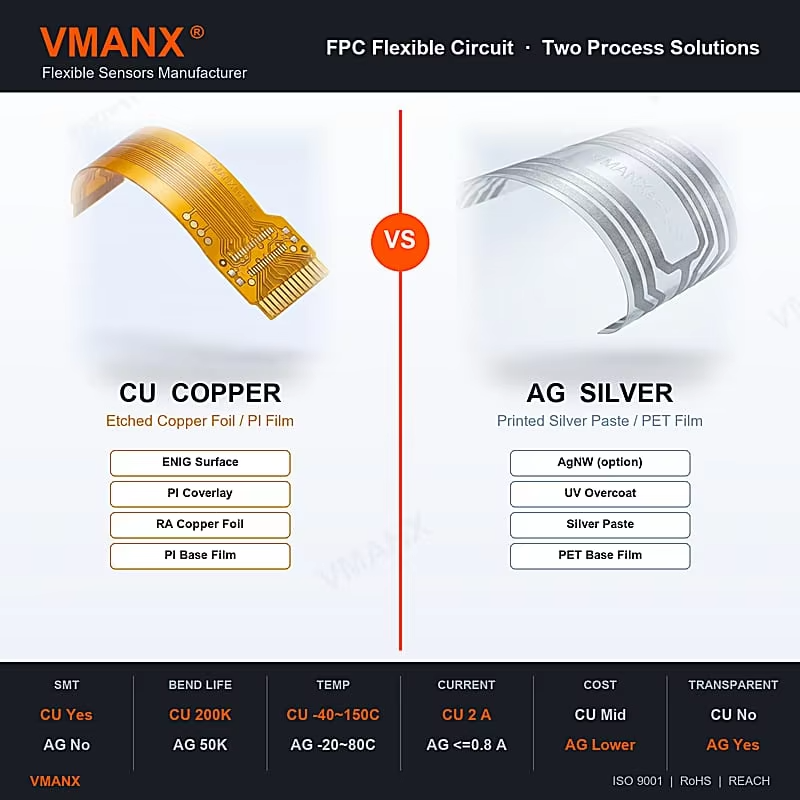
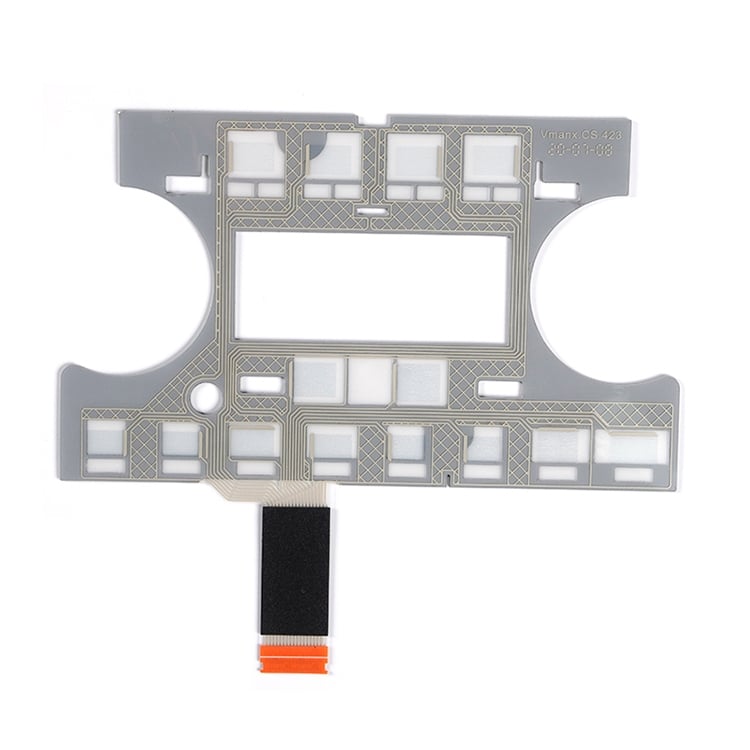
Flexible printed circuits (FPCs) are special types of electronic circuits that are bendable and can fit into tight spaces. These circuits are made of thin plastic materials, which makes them very lightweight. Unlike traditional circuit boards that are rigid, FPCs can twist and turn, allowing them to be used in many different devices. You can find FPCs in smartphones, cameras, and even medical equipment. Zhongman is a company that specializes in making these flexible circuits, providing high-quality products for various needs. Because technology keeps changing, flexible printed circuit is becoming more popular in the world of electronics.
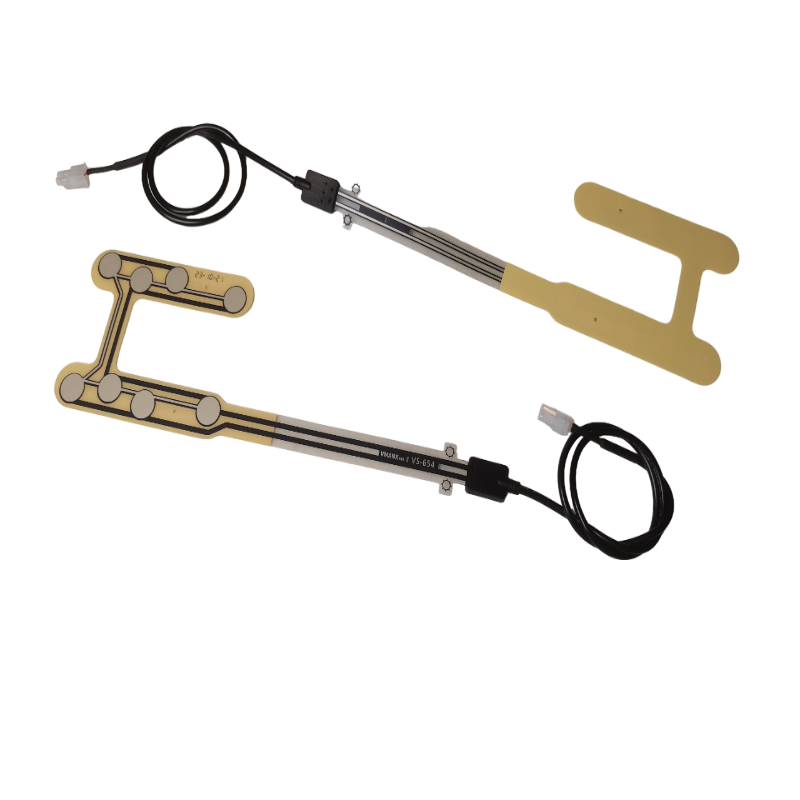
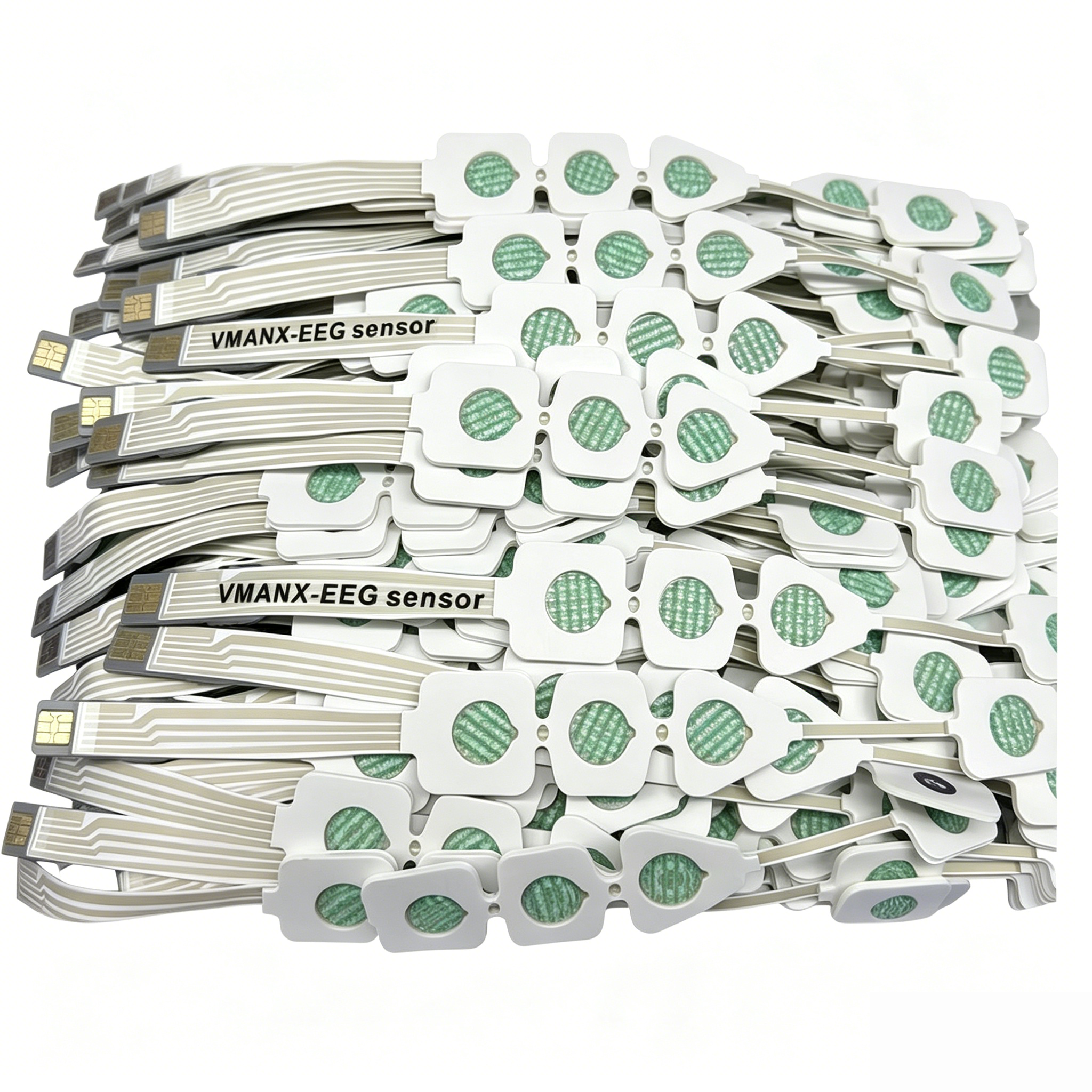
Disposable EEG vs. ECG Electrodes: Key Differences and OEM Selection Guide
When we talk about medical tests, you might hear about EEG and ECG. Both of these tests use electrodes to help doctors check how our bodies are working. The EEG, which stands for electroencephalogram, looks at brain activity. It uses special electrod...
View More