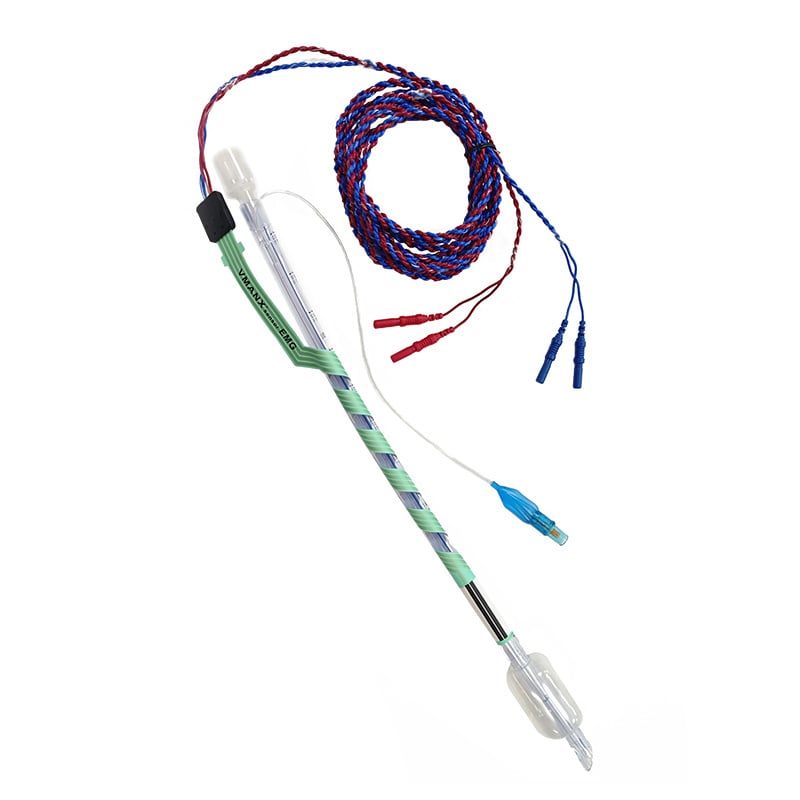
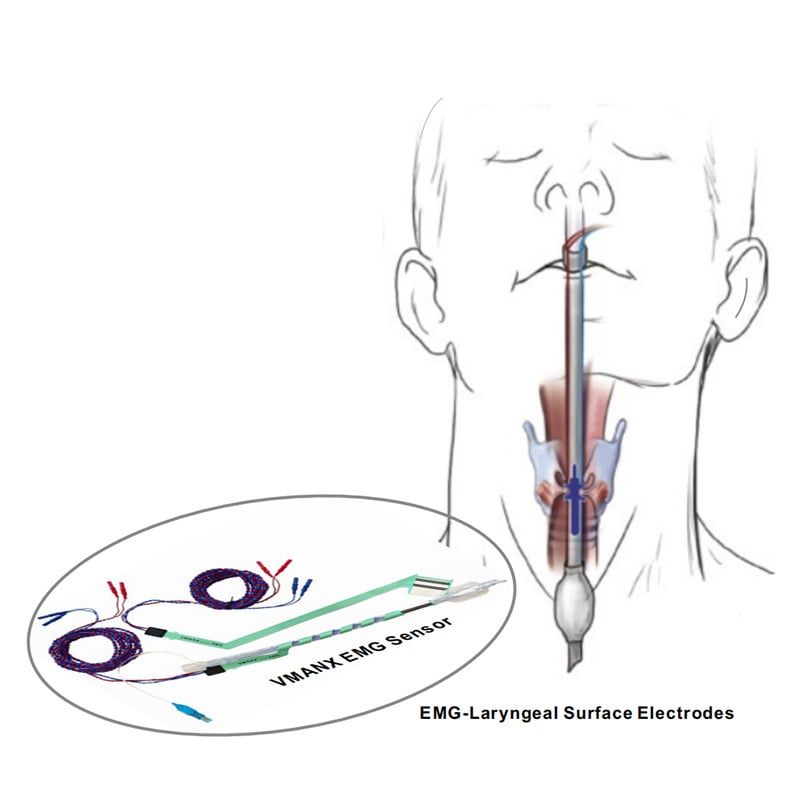
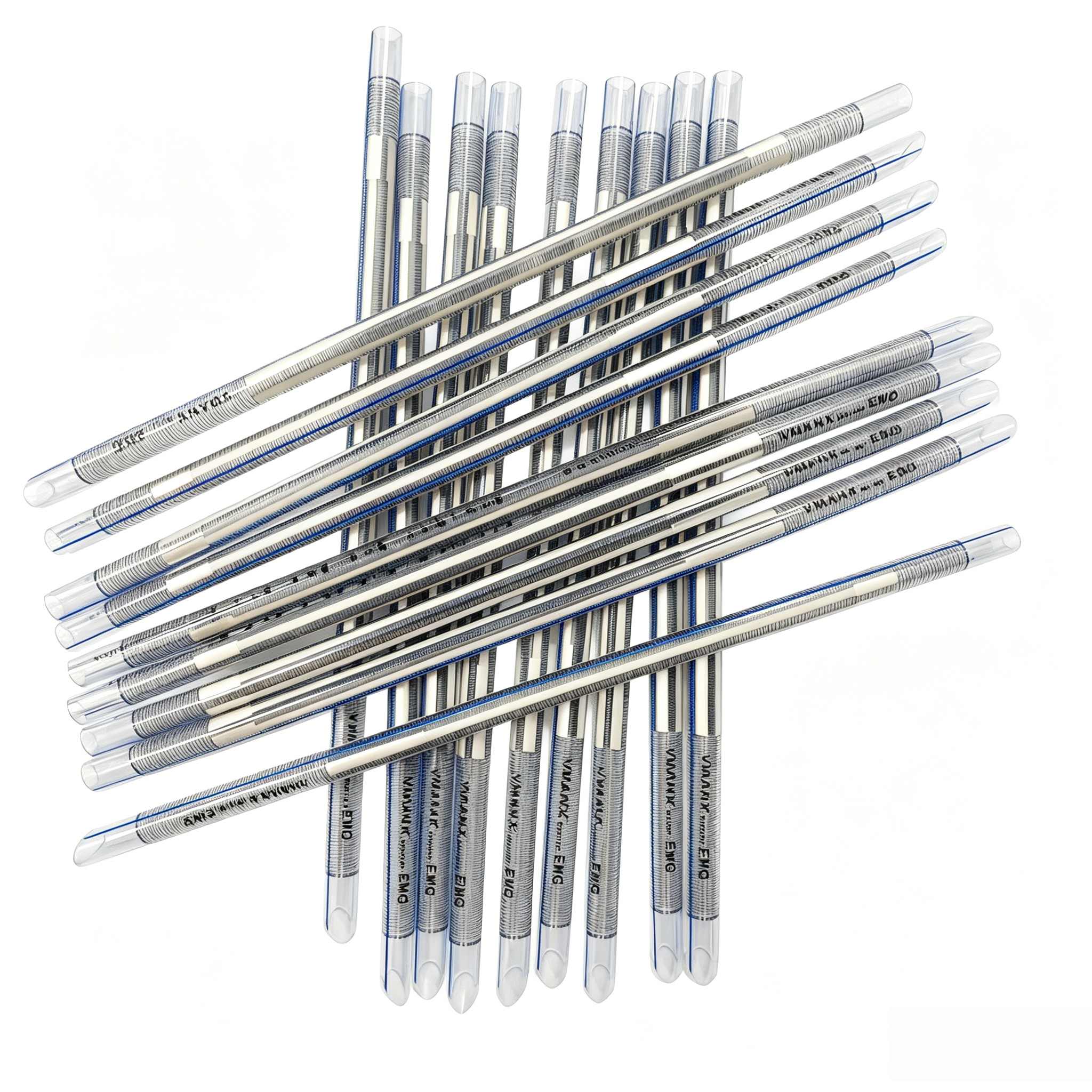
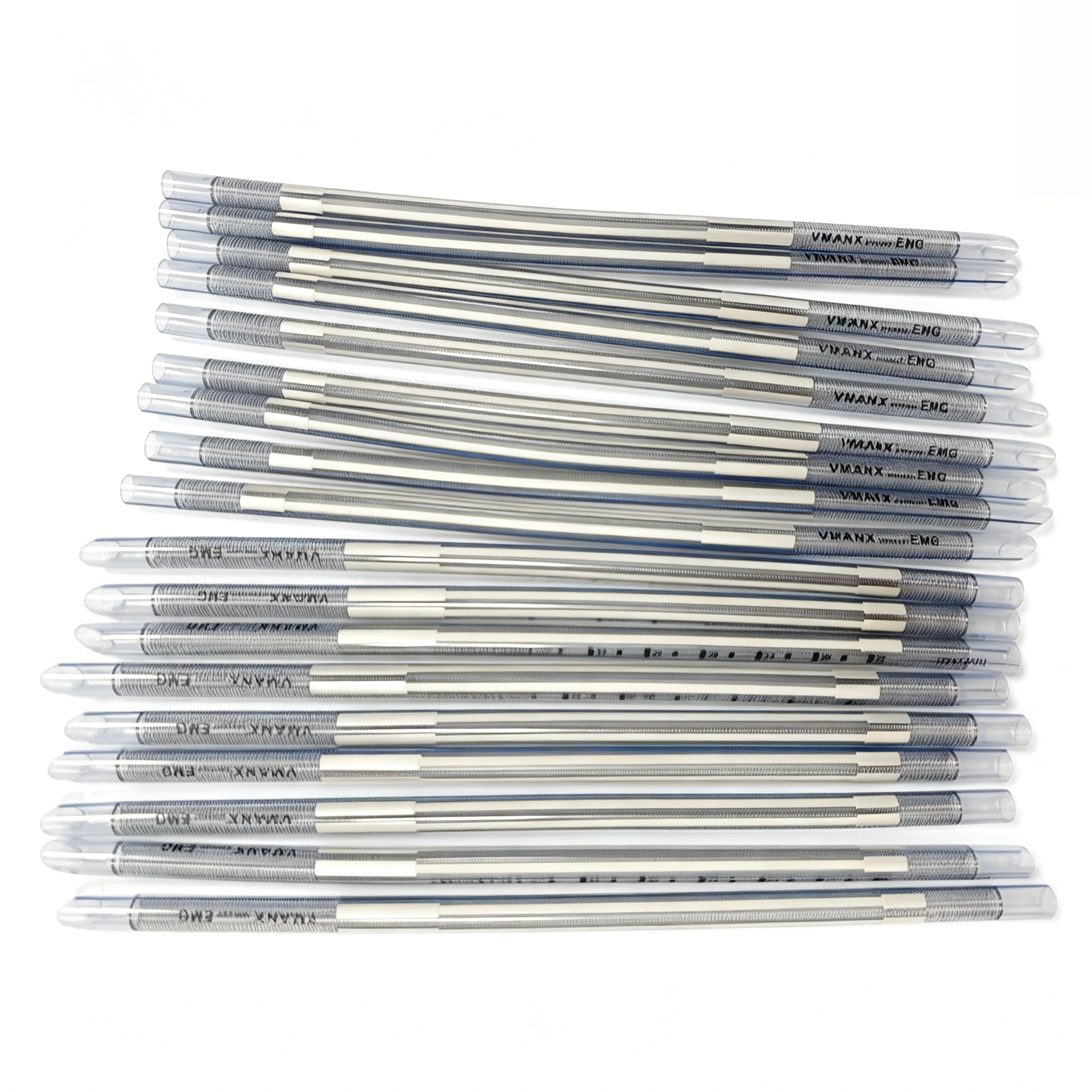
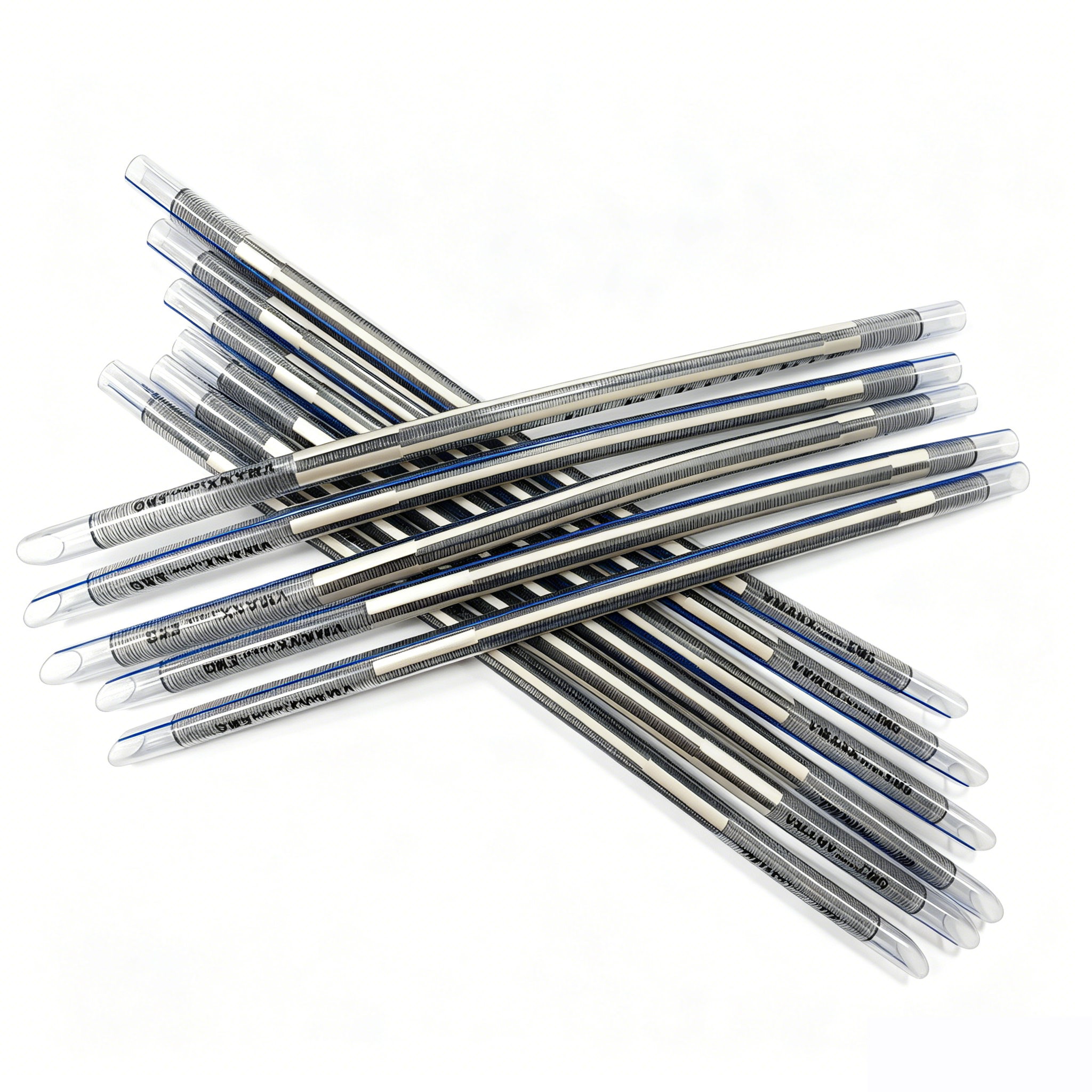
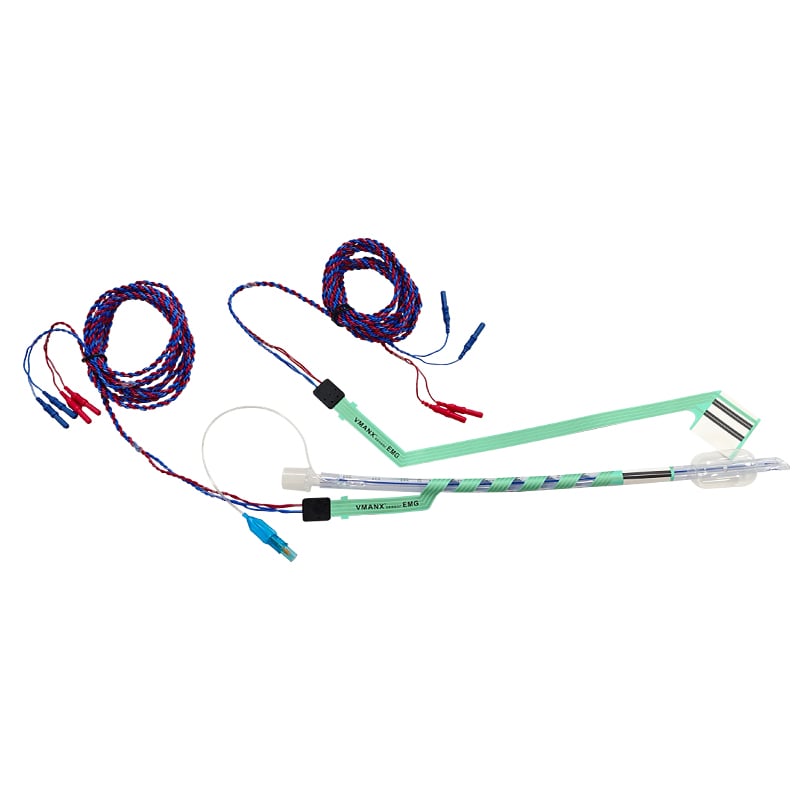
EMG-Laryngeal Surface Electrodes are a high-precision,single-use electromyography (EMG) laryngeal electrodefilm sensor manufactured using advanced electronicprinting technology.
This product is specifically designed for Intraoperative Neuromonitoring (IONM).
It is primarily used in thyroid, parathyroid, and otherneck surgeries to monitorthe functional integrity of the Recurrent LaryngealNerve (RLN) and the Superior Laryngeal Nerve inreal-time.
It is a key medical device for preventingpostoperative complications such as hoarseness andbreathing difficulties.

Product Core Keywords
Intraoperative Neuromonitoring (IONM)
Recurrent Laryngeal Nerve (RLN)
Electromyography (EMG) Sensor
Laryngeal Electrode
FilmSingle-use Electrode
Biocompatible
Thyroid Surgery
Nerve Integrity Monitoring
Surface Electrode
Visualized EMG Signals
| Parameter Item | Specification | Test Conditions / Notes |
| Electrode Contact Impedance | ≤2kΩ | Measured in standard saline solution at 1kHz frequency |
| Operating Frequency Range | 10 Hz- 10 kHz | Suitable for EMG signal acquisition |
| Common Mode Rejection Ratio(CMRR) | ≥110 dB | Typical value, ensuring interference immunity |
| Baseline Noise | ≤5μV | Input shorted, bandwidth 10Hz-10kHz |
| Maximum Input Voltage | ±5V | |
| Signal Sensitivity | 100-5000 μVadjustable | Must be matched with acompatible IONM main uni |
| Cable Length | Standard 2.5m(customizable) | With standard interface (e.g., DIN, D-sub) |
| Insulation Resistance | ≥ 100 MΩ | 500 VDC |
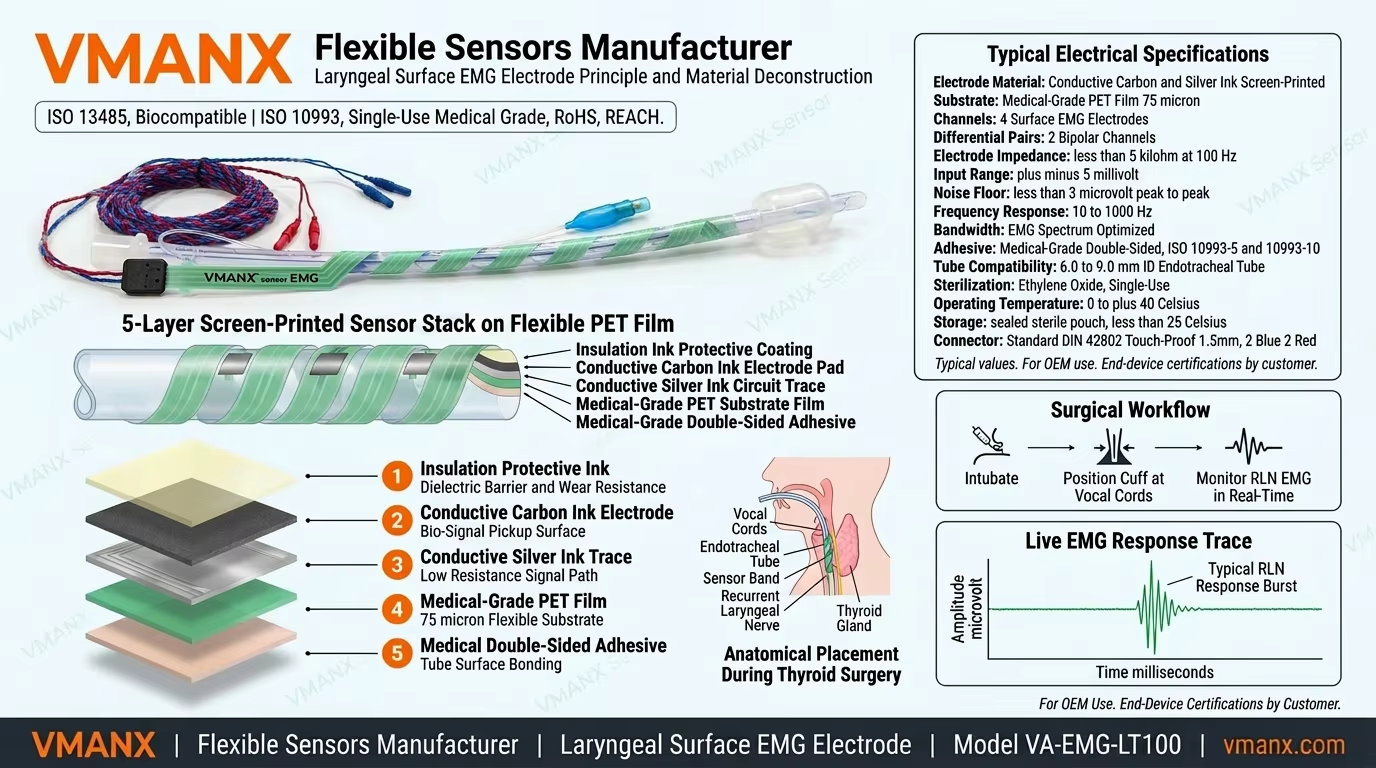
The sensor operates based on electromyographic principles.
Signal Acquisition: When surgical instruments approach, retract, or stimulate the recurrent laryngeal nerveduring surgery, the nerve generates electrical impulses.
Muscle Response: These electrical impulses are conducted to the innervated laryngeal muscles(eg, thyroarytenoidmuscle), causing muscle contraction and generating weak electromyographic (EMG) signals (typically at the microvolt level)
Signal Capture: The product is affixed to the surface of the endotracheal tube (ETT) cuff. Its biocompatibleconductive ink-printed electrodes precisely capture these weak EMG signals generated by the laryngeal muscles
Signal Transmission: The captured analog electrical signals are transmitted via the integrated high-shieldedcable to the connected IONM system main unit.
Signal Processing & Feedback: The lONM main unit amplifies, filters, and converts the signals into visualizedwaveforms and audible audio feedback, providing real-time information to the surgeon and anesthesiologist.This enables continuous monitoring of nerve function and early risk warning.
Preparation Remove the sensor from its sterile packaging. Ensure the packaging is intact and the product is within its expiration date.
Electrode Installation: Aseptically and smoothly wrap the film sensor around the cuff area of the selectedendotracheal tube (ETT).
Ensure the electrode contacts have full contact with the cuff surface, with the cableoriented toward the patient's oral end.
Cable Securement: Use the provided adhesive tape or follow hospital standard operating procedures toproperly secure the sensor cable along the ETT to prevent intraoperative displacement.
Connection to Main Unit: Connect the sensor cable interface to the corresponding channel of the lONM system's Patient Interface Box, ensuring a firm connection.
Cuff Inflation: Inflate the ETT cuff following routine procedures. As the cuff expands, it presses the electrodeson the film sensor firmly and stably against the patient's mucosal tissue near the vocal folds.
System Check: Perform a system self-test or impedance check on the lONM main unit to confirm allelectrodechannels are connected properly and impedance values are within the acceptable range.
Intraoperative Monitoring: Once surgery begins, set appropriate parameters on the IONM main unit tomonitor EMG signals in real-time.
Single-Use Only: This product is a single-use sterile medical device. Reuse is strictly prohibited. Reuse carriesthe risk of cross-contamination and device performance failure.
Sterile Condition: Inspect the packaging for damage before use. If the packaging is compromised, the sterileintegrity of the product may be breached, and it should be discarded immediately.
Compatibility: Before use, verify that this sensor is compatible with the model of endotracheal tube and theIONM main unit system you are using.
Correct Installation: Ensure the electrode film is installed smoothly without wrinkles, allowing for evenmucosal contact after cuff inflation. Improper installation may lead to poor signal quality or monitoring failure.
Avoid Sharp Objects: Avoid scratching the film electrodes and leads with fingernails or sharp instrumentsduring handling and installation.
Patient Safety: Exercise care during insertion and removal of the endotracheal tube to prevent accidentalinjury to the patient's airway from the sensor.
Post-Procedure Disposal: Used products should be disposed of according to medical waste regulations.
Quality Management System: VMANX designs and manutactures this product under a quality managementsystem certified to ISO 13485 (Medical Devices Quality Management System) and IATF 16949 (AutomotiveQuality Management System, applied for high-reliability electronic components).
Regulatory Compliance: The product complies with the European Union Medical Device RegulationEU MDR 2017/745) and the US FDA 21 CFR Part 820 Quality System Regulation requirements.
Biocompatibility: All patient-contacting components of the product have passed biocompatibility testsrequired by the ISO 10993 series standards (e.g. cytotoxicity, sensitization, irritation) and are safe and reliable.

Dongguan Zhongman Industrial Co., Ltd.
 EN
EN